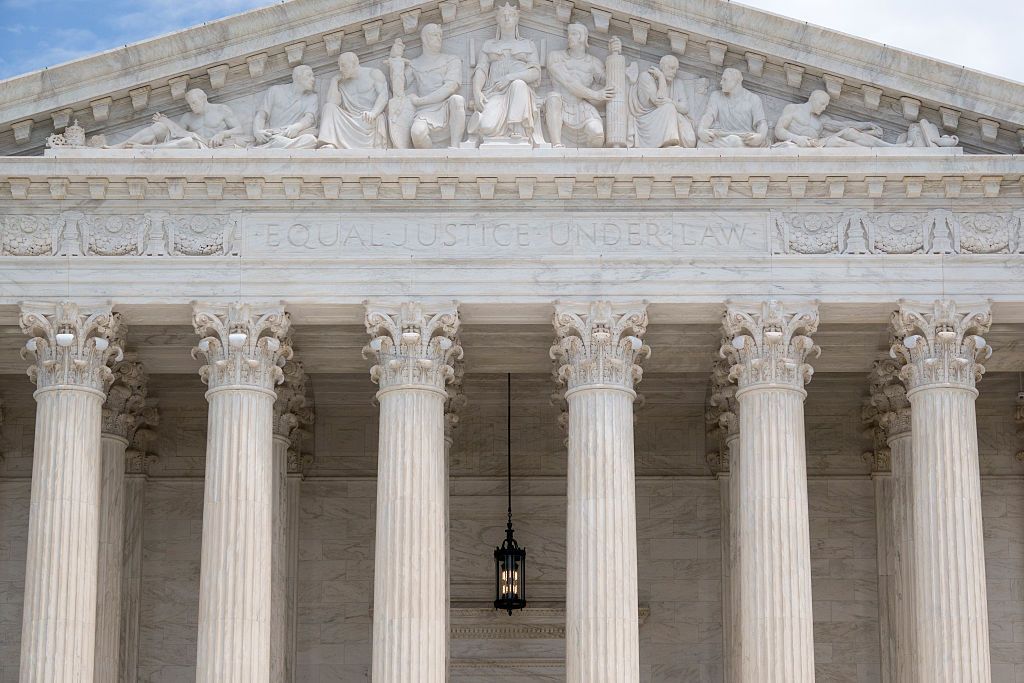
# Supreme Court Declines to Reverse Block on Trump Administration Transgender Inmate Policy
The Supreme Court left intact a lower court's injunction blocking the Trump administration from implementing a policy regarding transgender inmates in federal custody. The justices declined to stay the order, effectively preserving the status quo while litigation continues.
The underlying case involves a Trump administration directive affecting how the Federal Bureau of Prisons handles placement and treatment of transgender individuals in custody. A federal district court issued an injunction against the policy after finding that challengers demonstrated a likelihood of success on the merits of their constitutional claims. The appeals process wound through the federal court system before reaching the Supreme Court.
The Trump administration had sought emergency relief from the justices, requesting they stay the lower court's injunction pending appeal. Such stays allow policies to take effect while legal challenges proceed. The Supreme Court's refusal to grant this request means the injunction remains in force and the questioned policy cannot proceed as written.
The justices did not issue a written opinion explaining their reasoning. Decisions to deny stay requests often occur without elaborate opinions, particularly during the emergency docket where time constraints press. The absence of explanation leaves limited guidance about the Court's thinking on this sensitive issue.
Lower courts had analyzed competing interests when evaluating the injunction. Federal judges typically weigh whether plaintiffs face irreparable harm without an injunction, whether the public interest favors preservation of the status quo, and whether the government has shown a likelihood of winning the underlying case. Courts also consider the balance of equities between parties.
This case reflects ongoing national debate about transgender rights, incarceration, and federalism. Prison administrators balance housing decisions, safety protocols, and medical care with inmate dignity and constitutional protections. The Federal Bureau of Prisons operates facilities nationwide under both constitutional and statutory constraints, including the Prison Rape Elimination Act and other federal statutes governing conditions of confinement.
The legal theories underlying the challenge likely centered on equal protection and due process doctrines under the Fifth Amendment, which applies to federal actors. Plaintiffs may have argued the policy violates their constitutional rights or relies on impermissible classifications.
The case remains pending in the lower courts. The Supreme Court's refusal to stay the injunction does not address the underlying merits. Federal appellate courts will continue examining whether the district court correctly interpreted applicable law and whether the injunction's scope properly reflects constitutional boundaries.
This development matters for federal corrections policy, advocacy groups focused on LGBTQ rights and criminal justice reform, and the broader constitutional landscape around government action affecting vulnerable populations in custody. The decision affects real individuals in federal facilities while establishing which rules govern their treatment pending final judicial resolution.
Similar disputes have emerged in state prison systems, where courts have reached varying conclusions about appropriate housing and treatment protocols for transgender inmates. This federal case occurs against that backdrop of evolving jurisprudence around incarceration and identity-based classifications.