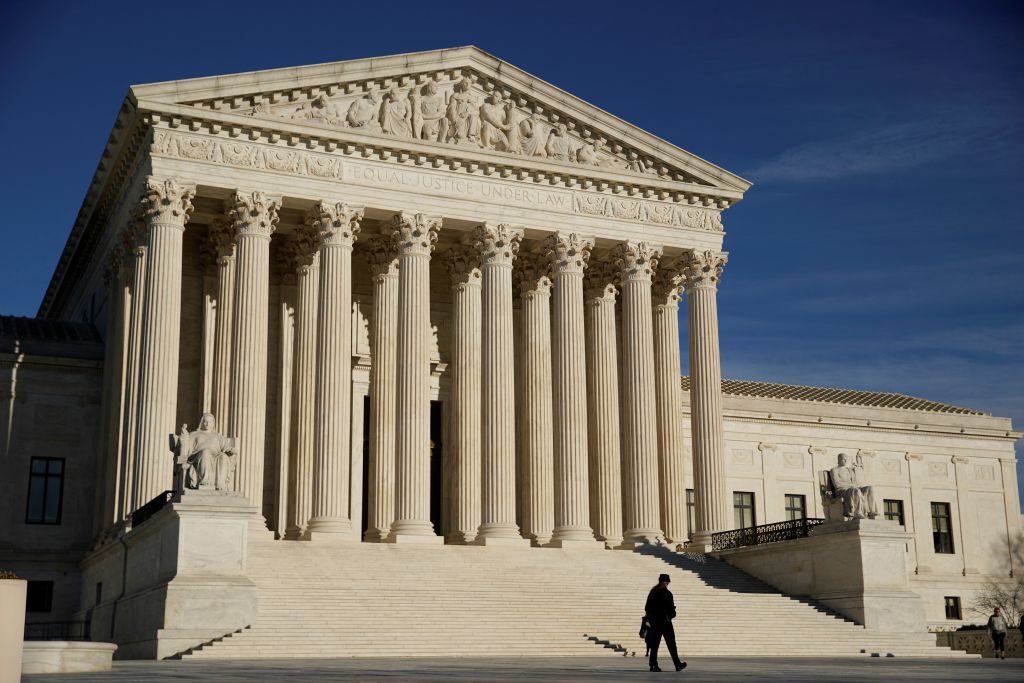
# Supreme Court Case Tests Trump Administration's Third-Country Deportation Power
Immigrant groups filed an emergency petition with the Supreme Court asking justices to maintain an existing court order blocking the Trump administration from deporting noncitizens to countries other than their nations of origin. The case centers on the government's authority to remove immigrants to third-party nations without their consent.
The lower court had issued an injunction preventing the deportation practice. The Trump administration sought to overturn that ruling, arguing it possesses statutory authority to remove aliens to countries willing to accept them. Immigrant advocacy organizations countered that such removals violate due process rights and exceed the administration's legal powers under immigration statutes.
The legal dispute turns on the interpretation of 8 U.S.C. Section 1231, which governs deportation procedures. That statute requires the government to remove deportable aliens to their country of origin, last country of residence, or another country where they will be accepted. The government contends the third option gives it discretion to choose any willing nation. Immigrants argue the statute requires the country of origin to be the default destination unless the immigrant originated elsewhere or the origin country refuses repatriation.
Third-country removals create practical hardship for deportees. An individual from El Salvador cannot easily integrate into or secure employment in Guatemala or Honduras simply because those nations agreed to accept them. Language barriers, lack of family ties, and absence of established documentation compound integration challenges. The practice also raises questions about whether third countries possess adequate resources to assist sudden arrivals.
The injunction blocking these removals affects potentially thousands of noncitizens currently in removal proceedings. If the Supreme Court declines to intervene or affirms the lower court's decision, the Trump administration loses a tool for processing deportations more efficiently when origin countries delay accepting citizens or restrict intake.
The administration's argument emphasizes prosecutorial discretion and administrative efficiency. Deporting someone to a cooperative third nation rather than waiting months for origin country acceptance accelerates removal and reduces detention costs. Officials maintain the statute permits this flexibility.
Immigrant groups filing the emergency petition include organizations representing asylum seekers and other vulnerable populations. They provided declarations from individuals facing imminent deportation to countries where they have no connection, highlighting humanitarian concerns alongside constitutional arguments.
The Supreme Court's response remains pending. The Court could grant the stay petition, allowing the injunction to remain in effect while litigation continues. It could deny the petition, clearing the way for the administration to resume third-country removals immediately. Or it could request briefing from the government and immigrant groups before deciding.
This case reflects broader conflict over administrative authority in immigration enforcement. The Supreme Court has generally deferred to executive power in immigration matters, particularly regarding removals of aliens without lawful status. However, the Court has also recognized that due process protections extend to noncitizens within the United States or subject to American jurisdiction.
The outcome will shape deportation practices for years. A decision favoring the administration expands removal options and accelerates case processing. A decision favoring immigrants strengthens protection against removal to nations of no connection and enforces a statutory preference for origin country return. The Court's ruling could also influence pending litigation challenging other Trump administration immigration policies.