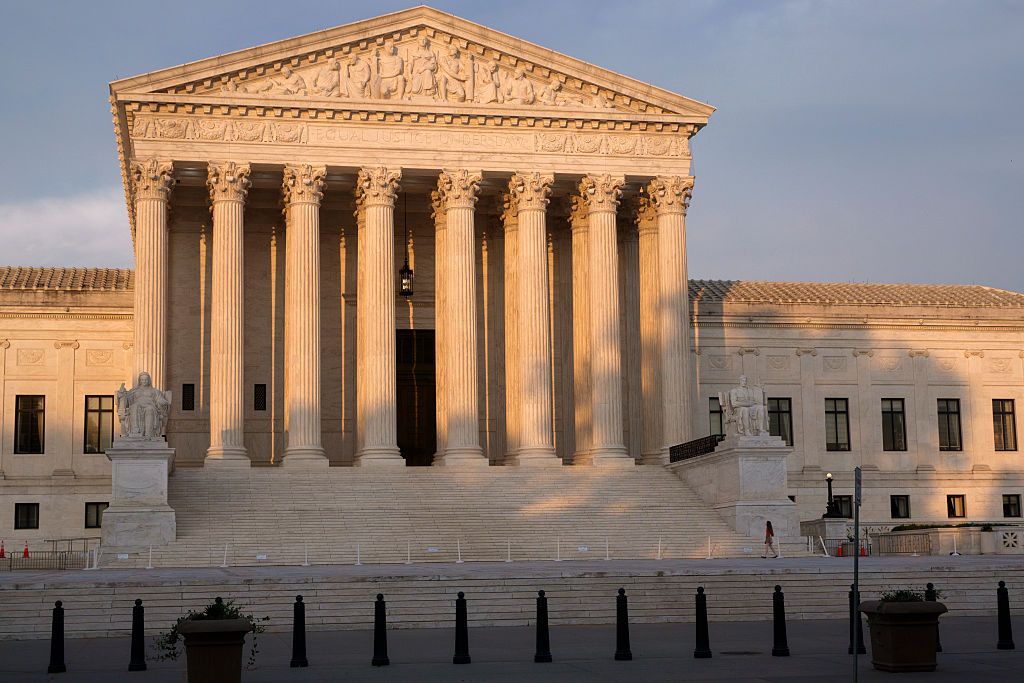
# Supreme Court Clears Way for Trump Administration to Use Modified Voter Verification Database
The U.S. Supreme Court has removed a legal barrier preventing the Trump administration from implementing a modified voter verification database system. The Court's action clears the path for federal election officials to deploy enhanced verification protocols that cross-reference voter registration data across state lines.
The decision stems from a lower court injunction that blocked the database modification pending full litigation. Election security advocates had challenged the system, arguing that the new verification methods could disenfranchise eligible voters through erroneous matches or database errors. The Trump administration countered that the enhanced system strengthens election integrity by identifying duplicate registrations and ineligible voters across jurisdictions.
The Supreme Court's order does not resolve the underlying merits of the case. Instead, the Court vacated the injunction that prevented implementation while litigation continues in lower courts. This means the administration can deploy the database modifications immediately, even as legal challenges proceed. The decision reflects the Court's apparent view that the plaintiffs failed to demonstrate sufficient likelihood of success on the merits or irreparable harm to warrant maintaining the temporary block.
Election administration operates at the intersection of federal and state authority. States maintain voter rolls and conduct elections, but the Voting Rights Act and Help America Vote Act impose federal requirements for voter registration accuracy and election administration. This case touches both frameworks. The modified database presumably operates as a tool for states to verify voter eligibility, but federal involvement raises questions about the scope of executive authority over elections.
The administrative challenge involved the Administrative Procedure Act's requirements for rule-making and public comment periods. Lower courts had questioned whether the administration followed proper procedures before modifying the verification system. The Supreme Court's decision to lift the injunction suggests skepticism about whether these procedural arguments would ultimately succeed, though it does not decide the question.
Voter verification databases carry inherent risks. Studies document false positives in name-matching algorithms, particularly affecting voters from communities of color. A 2006 examination of Interstate Crosscheck, a similar system, found significant error rates. Errors in voter database matching can result in provisional ballots or challenge elections on the basis of allegedly duplicate registrations that stem from common names or clerical mistakes rather than actual violations.
The practical effect of this ruling extends beyond this particular database. It signals that the current Supreme Court majority views election integrity concerns through a lens favorable to verification mechanisms and skeptical of injunctions blocking election administration tools during litigation. That orientation affects how lower courts will approach future cases involving voter access versus verification accuracy.
For states and election officials, the decision means they can now implement the modified verification system. County registrars and election administrators will need to train staff on the new protocols and prepare to handle increased database queries. Voting rights organizations likely will intensify litigation efforts in lower courts while considering whether additional Supreme Court appeals are viable.
The case remains active in district court and appellate proceedings. Plaintiffs retain options to seek emergency relief again or to pursue the underlying litigation on the merits. However, the Supreme Court's willingness to lift the injunction substantially weakens their position and diminishes the practical importance of ultimately prevailing, since the system will operate during the pendency of litigation.