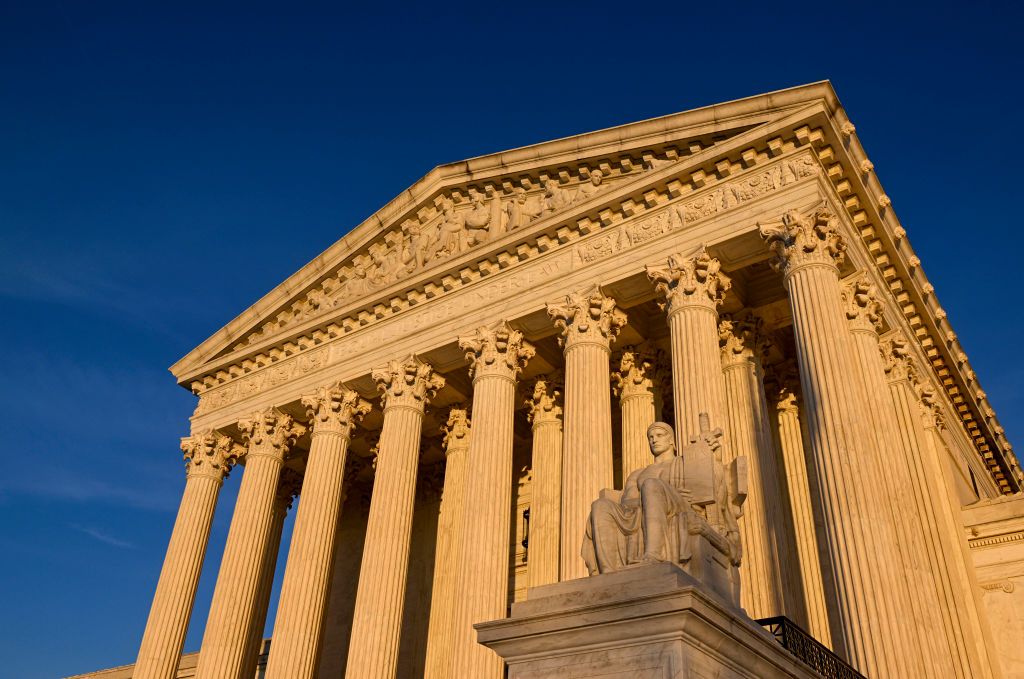
# Supreme Court Affirms Government Authority on Third-Country Asylum Removals
The U.S. Supreme Court has upheld the government's power to remove asylum seekers to third countries without determining whether they face persecution there, rejecting a challenge grounded in the Administrative Procedure Act and constitutional law.
The decision leaves intact a Trump-era policy, maintained under the Biden administration, allowing the Department of Homeland Security to transfer migrants to countries outside their origin nation as part of asylum processing. This practice, known as third-country removals or safe third-country agreements, had faced legal challenges from immigration advocates and civil rights groups.
Petitioners argued the removals violated the Administrative Procedure Act by being arbitrary and capricious, and further contended the practice breached statutory protections under the Immigration and Nationality Act. They claimed the government failed to provide adequate individualized determinations about whether the destination countries would protect asylum seekers from persecution.
The Supreme Court rejected these arguments. The majority found the government possessed statutory authority to pursue such removals and that the APA did not require the specific procedural safeguards petitioners demanded. The decision centered on whether Congress had delegated discretion to executive officials to determine which countries qualify as safe destinations.
Justice Brett Kavanaugh wrote the majority opinion, emphasizing the government's traditional power over immigration and border enforcement. The Court found petitioners had not established an enforceable statutory right to individualized safety assessments before third-country removals. Statutory language permitting removal of aliens "to any country" provided sufficient authorization.
The ruling has broad implications. It significantly restricts judicial review of removal decisions made under this authority. Immigration courts and federal appellate courts will face limits in second-guessing DHS determinations about destination country safety. Asylum seekers challenging removals on safety grounds will face higher burdens of proof.
Third-country removal agreements require partner nations to accept deported migrants. Guatemala, Honduras, and El Salvador have signed such agreements with the United States. Under these arrangements, an asylum seeker from El Salvador, for example, might be removed to Guatemala instead of having their U.S. asylum claim heard.
Civil rights organizations condemned the decision. The American Civil Liberties Union and other groups argued it stripped vulnerable populations of meaningful judicial protection. They noted many destination countries lack robust asylum systems and expose returnees to violence from criminal organizations.
The decision reflects broader SCOTUS trends favoring executive discretion in immigration matters and narrowing judicial review of such decisions. It comes as the Biden administration has maintained many Trump-era immigration policies despite campaign promises to reverse them.
Immigration attorneys report the ruling will complicate defenses in removal proceedings. Practitioners can no longer reliably challenge third-country removals based on destination country conditions. The focus shifts to procedural arguments and whether formal agreements exist between the United States and the receiving nation.
Future litigation may test whether the decision extends to emergency removals or whether Congress could impose statutory limits on third-country removals. Administration officials view the decision as validating their enforcement flexibility.