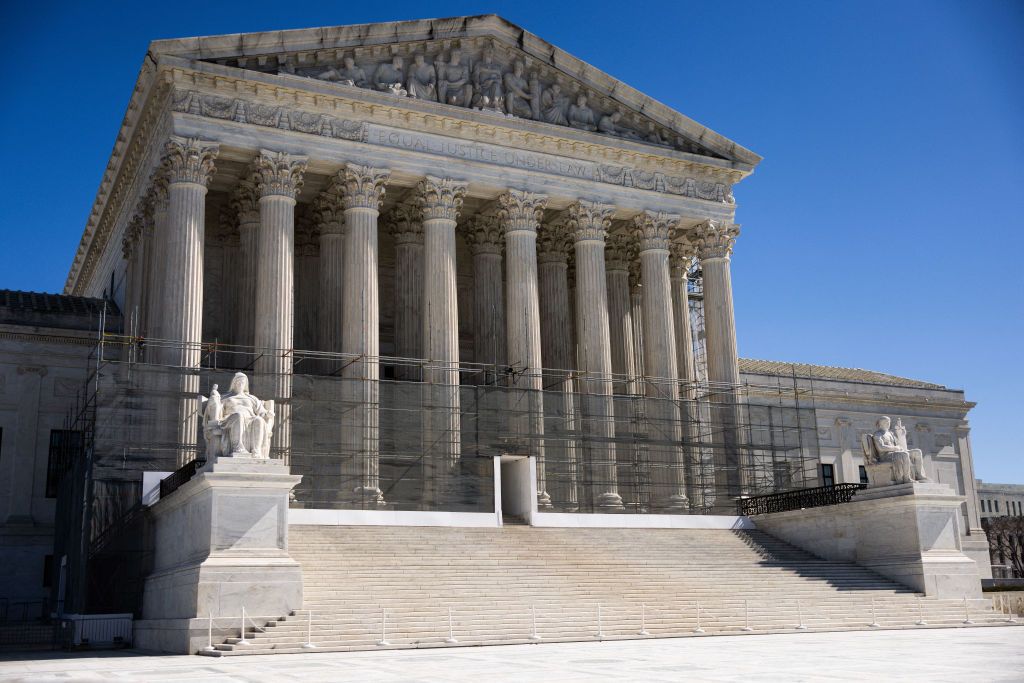
# Court to Hear Arguments in Twin Disputes Over Religious Exemptions and Immigration Policy
The Supreme Court agreed to hear two separate cases that will test the boundaries of religious liberty protections and federal immigration authority. The justices accepted both petitions without explanation, signaling their readiness to resolve questions that lower courts have answered inconsistently.
The religious zoning case involves a local ordinance that restricts where religious institutions can operate. Local governments often zone land for specific uses and prohibit certain activities in residential neighborhoods. Religious organizations have challenged these restrictions as violations of the Religious Land Use and Institutionalized Persons Act (RLUIPA), a 2000 federal statute that bars local governments from imposing land use restrictions that treat religious assemblies less favorably than secular uses. The dispute centers on whether municipalities must grant churches the same zoning flexibility they provide to other comparable organizations or whether local zoning powers survive RLUIPA's protections in certain contexts.
This case reaches the Court at a moment when religious organizations have grown increasingly aggressive in pressing zoning challenges. Lower courts have split on how much deference to grant local governments when they defend zoning rules on neutral grounds, such as traffic patterns or parking capacity. Some circuits hold that religious uses deserve heightened protection even when local rules apply equally to all groups. Other circuits permit municipalities to enforce zoning laws that incidentally burden churches if the rules serve legitimate local purposes.
The immigration case requires the Court to decide whether federal immigration authorities properly exercised their statutory discretion in a specific enforcement context. Immigration and Customs Enforcement (ICE) and the Department of Homeland Security (DHS) possess broad authority under federal law to set priorities, allocate resources, and determine enforcement strategy. The petitioner contests that an agency decision violates the Administrative Procedure Act (APA) by departing from prior practice without adequate explanation or notice-and-comment rulemaking.
The Supreme Court's docket already contains multiple cases touching religious exemptions and executive authority. These two new cases will compound that workload while addressing doctrinal questions that affect millions of people. Religious institutions operate in virtually every American community, and immigration enforcement touches countless individuals and families.
Oral arguments will likely occur during the 2024 or 2025 term. The Court's decisions will reshape how local governments regulate religious property use and may constrain or expand agency flexibility in immigration enforcement.
For religious organizations, a favorable ruling could restrict local governments' ability to enforce zoning rules against houses of worship. For municipalities, defeat would eliminate zoning as a tool to manage land use in ways that incidentally burden religious gatherings. For immigration defendants and advocates, the outcome determines whether agencies must follow their own prior enforcement patterns or may shift course without formal rulemaking.
The Court's acceptance of both petitions confirms that these disputes present questions worthy of nine justices' time. Lower court disagreement on both topics supplied strong grounds for review. The decisions ultimately handed down will affect how Americans experience religious freedom and governmental enforcement authority for years to come.