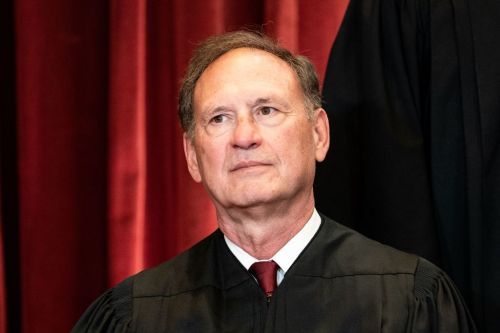
# Justice Alito Recuses Himself From Climate Change Case at Supreme Court
Justice Samuel Alito has recused himself from a pending climate change dispute before the Supreme Court, according to filings reviewed by legal observers tracking the case.
The recusal removes one of the Court's more skeptical voices from deliberations on the merits of climate litigation. Alito has previously expressed reservations about the justiciability of climate claims and the appropriate role of courts in addressing environmental policy questions. His absence from oral arguments and subsequent deliberations narrows the bench on this contested issue.
The specific case details remain subject to the Court's docket system, but the recusal reflects broader patterns among justices when personal circumstances, prior professional involvement, or judicial philosophy intersect with pending matters. Recusal decisions operate under Supreme Court Rule 29, which provides that "[a]ny justice may disqualify himself or herself from participating in any particular case." Unlike federal judges subject to the Ethics in Government Act and its detailed recusal standards, Supreme Court justices retain sole discretion over their own participation without obligation to disclose reasoning.
This development carries implications for how the Court resolves climate-related constitutional questions. The current bench has demonstrated divided views on environmental standing doctrine, the dormant Commerce Clause as applied to climate regulation, and whether substantive due process protections extend to climate-adjacent claims. Alito's prior opinions suggest skepticism toward expansive environmental litigation theories. His removal from the case potentially shifts the calculus for majority coalition-building.
The recusal also arrives amid ongoing scrutiny of justices' financial disclosures and extrajudicial activities. Conservative justices have faced particular attention following investigative reporting into luxury trips, real estate transactions, and relationships with wealthy benefactors. While recusal decisions typically remain unexplained, observers have noted that justices sometimes cite personal interests, previous involvement with parties or counsel, or health considerations.
Climate change disputes raise questions about whether federal courts possess authority to fashion remedies for atmospheric greenhouse gas emissions, whether states may regulate energy production affecting interstate commerce, and whether plaintiffs demonstrate concrete injury sufficient for Article III standing. These doctrinal boundaries remain unsettled across the federal judiciary.
The case will proceed with eight justices participating. This configuration affects the probability of a tie vote, which leaves lower court decisions intact without establishing Supreme Court precedent. A 4-4 split would preserve whatever ruling the Court of Appeals previously issued.
Legal scholars and environmental advocacy groups closely monitor Supreme Court climate docket decisions. The composition of judicial panels hearing these cases influences outcomes substantially. Alito's recusal removes a likely vote against recognizing broad climate-based standing or imposing new obligations on energy producers and government agencies.
The decision underscores how individual justices' participation shapes the development of environmental law. Future climate cases may see additional recusals or strategic timing as the Court continues processing environmental disputes involving federal regulation, state law claims, and constitutional dimensions of climate policy.