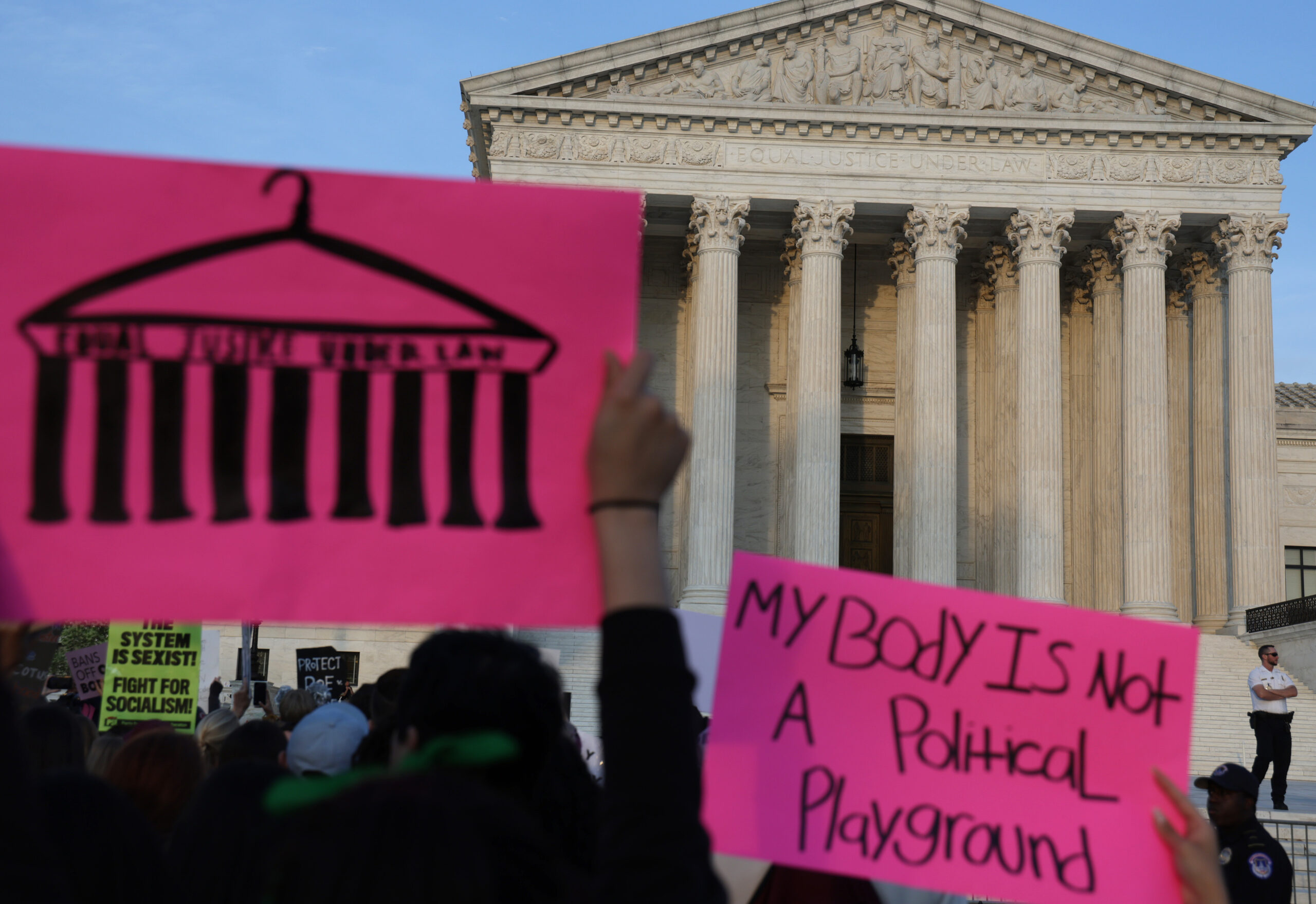
Justice Samuel Alito claimed in a Fox News interview that he has identified who leaked the draft opinion in Dobbs v. Jackson Women's Health Organization, the landmark 2022 decision that overturned Roe v. Wade. Alito did not disclose the leaker's identity publicly but suggested he possesses information about the source of the breach.
The leak occurred in May 2022 when Politico published Alito's draft majority opinion weeks before the Supreme Court issued its final ruling on June 24, 2022. The breach stunned the legal world and triggered intense speculation about which justice or court employee disclosed the document. The leak exposed internal deliberations at the nation's highest court and raised questions about institutional security and confidentiality.
The Supreme Court launched an investigation into the breach. Chief Justice John Roberts ordered an internal probe led by the marshal's office, but the Court never publicly identified a leaker. The investigation examined phone and computer records of approximately 80 employees with access to the opinion draft. Officials interviewed justices and staff members. Despite these efforts, no official conclusion emerged about who disclosed the document.
Alito's claim that he knows the leaker's identity raises several questions. The timing of the revelation, announced during a Fox News interview at the start of the new Supreme Court term, suggests Alito chose a public platform to make the statement rather than reporting findings through official channels. The disclosure strategy differs sharply from the usual institutional practice of handling sensitive security matters privately.
The Dobbs leak remains unprecedented in modern Supreme Court history. The breach of a draft opinion contradicts centuries of institutional tradition protecting the confidentiality of the Court's internal decision-making process. Justices typically do not disclose how they voted during deliberations or discuss draft opinions before the final ruling. The leak undermined that secrecy.
Several theories circulated about potential sources. Some observers speculated that a law clerk leaked the draft to prevent Alito from altering the opinion before final release. Others suggested the leak came from someone opposed to the abortion ruling who wanted to generate public pressure on justices. Some pointed to potential motivations from clerks on different sides of the abortion debate.
The leak had tangible consequences. It energized abortion rights advocates and prompted protests at justices' homes. Some Democrats called for expanding the Supreme Court. The incident also raised security concerns within the Court and prompted discussions about physical protection for justices.
Alito's statement to Fox News without providing specifics creates ambiguity about the investigation's actual findings. Whether Alito possesses definitive evidence or educated speculation remains unclear. The decision to announce knowledge of the leaker publicly rather than through official court channels departs from institutional norms for handling sensitive matters.
The unresolved leak continues to haunt the Court's public image nearly four years later. The institution has faced criticism for failing to identify and hold accountable whoever disclosed the draft. Alito's claim adds fuel to the ongoing controversy surrounding one of the Supreme Court's most significant institutional breaches.