# Supreme Court Will Decide Whether Climate Change Liability Suits Can Proceed Against Energy Companies
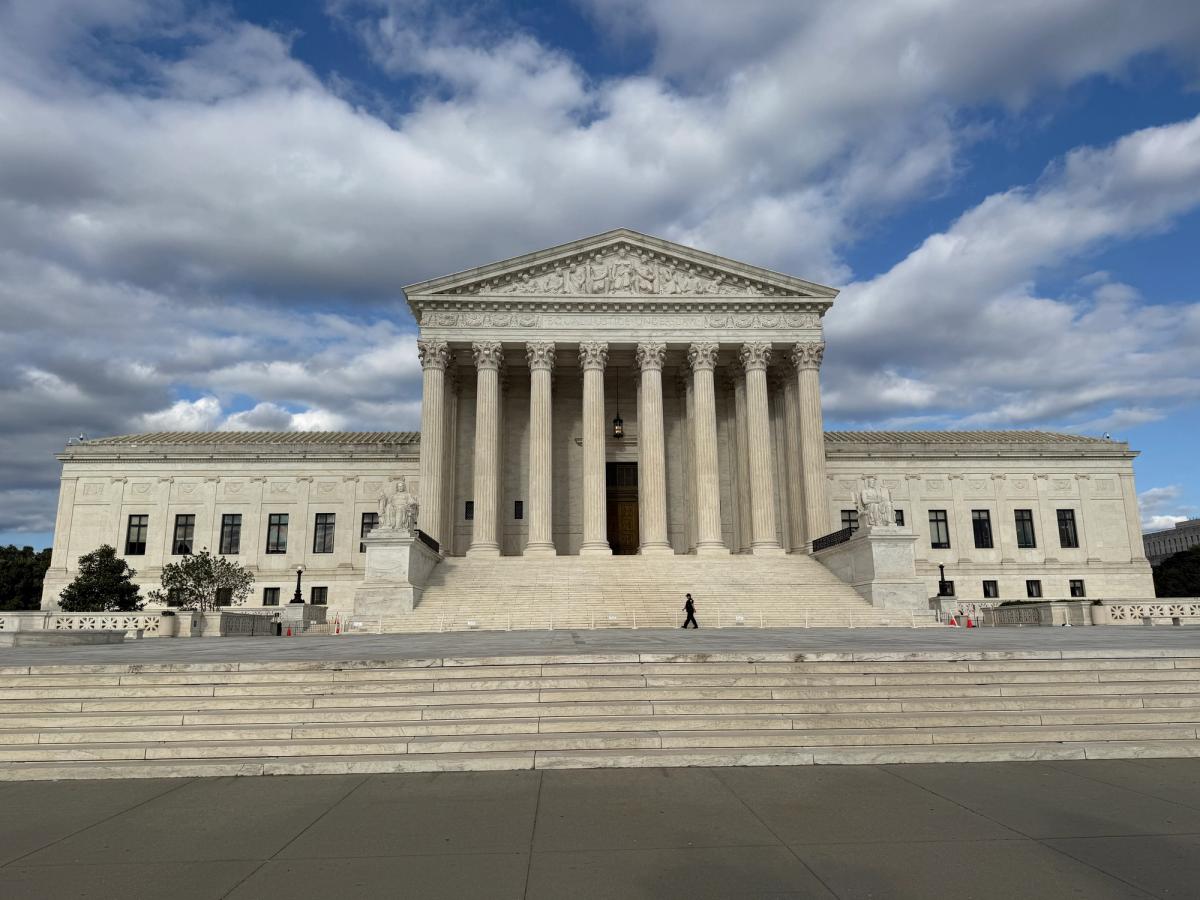
The Supreme Court accepted a case that will determine whether households and municipalities can pursue federal court litigation against energy companies for damages caused by climate change. The decision to grant certiorari opens a pathway for justices to reshape the legal landscape around corporate accountability for greenhouse gas emissions.
The case centers on whether plaintiffs can bring suit under federal common law theories of nuisance, despite decades of precedent suggesting such claims face substantial barriers in federal court. Energy companies have argued that climate policy belongs exclusively with Congress and federal agencies, not courts adjudicating individual damage claims. Environmental groups and affected communities counter that federal courts retain authority to hear nuisance claims tied to interstate harms.
The underlying litigation involves multiple consolidated cases brought by cities, counties, and other municipalities seeking to hold major fossil fuel producers liable for costs related to rising sea levels, extreme weather, and infrastructure damage. Plaintiffs argue energy companies knowingly sold products that caused climate change while concealing the dangers. Defendants maintain that global emissions result from countless consumer and industrial choices worldwide, making any single company's conduct too attenuated to support liability.
Lower courts have grappled with jurisdictional and substantive questions. The Second Circuit previously allowed some climate nuisance claims to proceed, while other circuits have dismissed similar cases on grounds that climate policy represents a political question unsuitable for judicial resolution. This split in authority prompted Supreme Court review.
The case implicates several layers of law. Federal common law doctrine permits courts to hear nuisance claims affecting interstate interests. The Clean Air Act and other environmental statutes provide an alternative regulatory framework. Energy companies invoke the "political question doctrine," which bars courts from deciding matters committed to elected branches. Plaintiffs rely on traditional tort principles holding polluters responsible for foreseeable harms.
The stakes extend beyond these particular plaintiffs. A ruling against the energy companies could expose the fossil fuel industry to massive aggregate liability across dozens of pending cases. A decision for defendants might foreclose an entire category of litigation, forcing climate advocates toward legislative and regulatory channels exclusively. State courts could still hear state law nuisance claims, but a federal court door closing would eliminate a significant legal avenue.
The justices' ideological composition suggests the conservative majority may favor limiting federal common law claims. Chief Justice John Roberts and others have signaled skepticism toward expansive judicial authority over complex regulatory domains. Yet the case also touches federalism principles that sometimes cut in unexpected directions.
Oral arguments remain scheduled, though a date has not been announced. The decision will arrive during a period of intense debate over energy company accountability, with related litigation advancing in state courts and before administrative agencies.
This case represents the climate liability question reaching the nation's highest court for the first time. The ruling will clarify whether federal courts can function as venues for holding energy companies accountable for climate damages or whether such relief must come through political processes.