# Trump Compared to King George III in Constitutional Overreach Debate
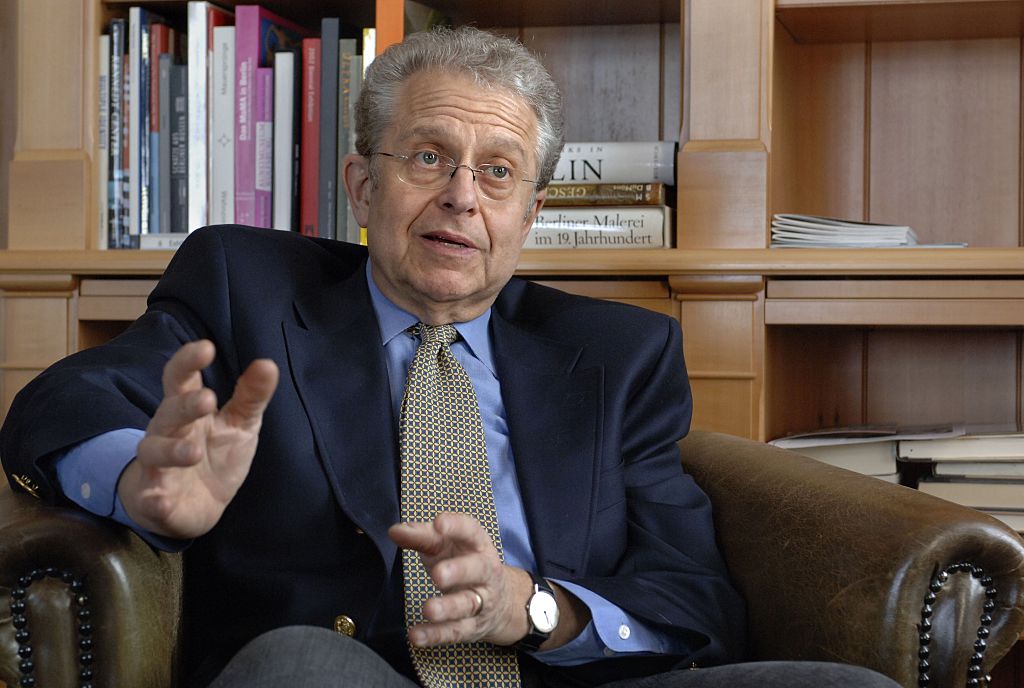
Legal scholar Laurence Tribe raised alarm about executive power on CNN, drawing parallels between current presidential actions and the monarchical authority that prompted American colonists to rebel against British rule in 1776. The comparison underscores a fundamental constitutional tension over the scope of executive power and the erosion of checks and balances.
Tribe, the Carl M. Loeb University Professor at Harvard Law School and a leading constitutional scholar, has consistently warned against executive overreach. His CNN appearance references specific presidential actions that he views as exceeding constitutional boundaries. The invocation of King George III carries historical weight: the colonists' grievances against the British monarch centered on unilateral decision-making, taxation without representation, and the dissolution of legislatures. These abuses prompted the Declaration of Independence and eventually the Constitutional Convention.
The comparison reflects growing concern among constitutional scholars about presidential powers under Donald Trump's administration. The Constitution establishes three co-equal branches of government, with Congress holding legislative authority, the President executing the law, and the judiciary interpreting it. In practice, presidential power has expanded significantly since the nation's founding, particularly in foreign policy, emergency declarations, and administrative action.
Tribe's invocation of the Revolutionary War comparison serves multiple rhetorical purposes. First, it grounds contemporary concerns in America's founding principles. The Framers deliberately crafted the Constitution to prevent the concentration of power that characterized European monarchies. James Madison wrote extensively in the Federalist Papers about the dangers of unchecked executive authority. Second, it appeals to American identity and constitutional patriotism. Invoking King George III reminds audiences that the nation was born from resistance to authoritarian power.
Recent presidential actions that may have prompted Tribe's concern include executive orders on immigration enforcement, removal of civil service protections, and assertions of power over the executive branch. Each raises questions about whether the President exceeded his constitutional authority or improperly invaded Congress's domain.
The institutional mechanisms designed to check presidential power face practical limitations. Congress possesses impeachment authority but faces partisan divisions that complicate removal proceedings. The judiciary can invalidate executive actions but typically moves slowly, and presidents command significant deference in areas like foreign policy and national security. The administrative state itself, once viewed as an independent check on presidential power, has been subjected to executive assertions of authority.
Tribe's warnings align with his extensive scholarship on presidential power and separation of powers. His work has long emphasized that constitutional structures depend on normative constraints and institutional respect for boundaries, not just legal rules. When presidents test or exceed traditional limits, and when Congress and courts fail to enforce them consistently, the constitutional order shifts toward concentration.
The comparison to King George III inevitably generates debate about proportionality and historical accuracy. Critics contend that American presidents, even when asserting expansive power, operate within a democratic system with regular elections, a free press, and constitutional constraints that no absolute monarch faced. Supporters of aggressive executive action argue that modern governance requires presidential flexibility and that courts retain ultimate authority to enforce constitutional limits.
The controversy reflects America's ongoing struggle to define the proper bounds of executive power. Whether Trump's actions represent a departure from constitutional norms or a natural evolution of presidential authority remains contested terrain for legal scholars, lawmakers, and courts. Tribe's rhetorical move positions the debate as fundamental to American self-governance and constitutional fidelity.