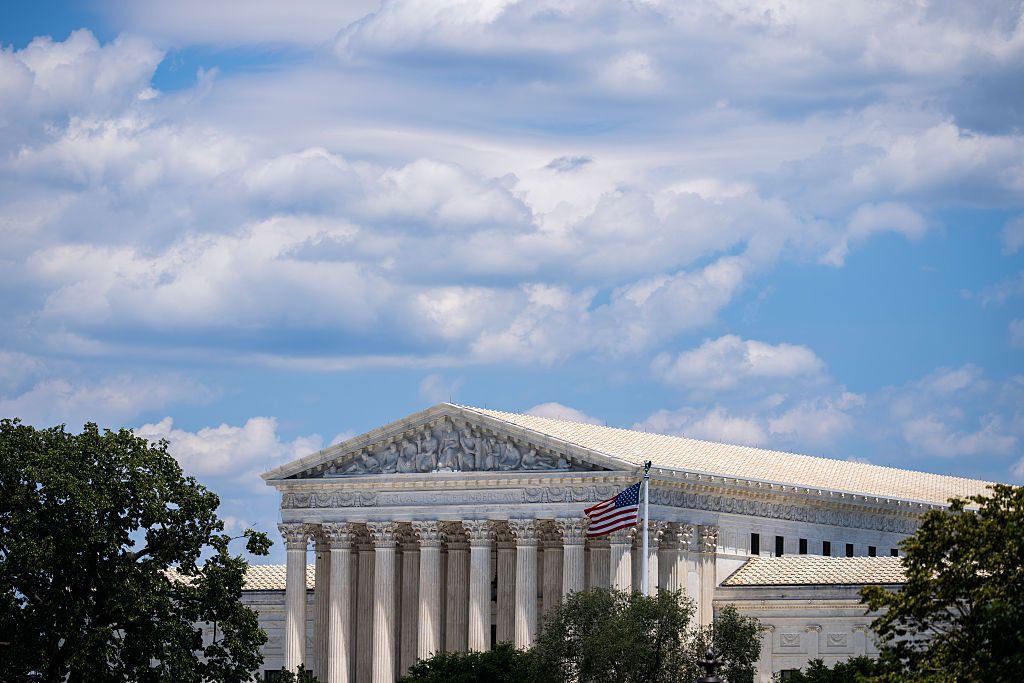
The Supreme Court will hear oral arguments on whether the Trump administration can deport immigrants to countries other than their nations of origin, a case that raises fundamental questions about executive power, statutory authority, and immigrant due process rights.
The case centers on a Trump-era policy that directed Immigration and Customs Enforcement (ICE) to deport undocumented immigrants to third-party countries rather than their home nations. The administration argued this approach served national security and enforcement efficiency by preventing repeat border crossings from specific nations.
Several immigrant rights organizations and at least one state challenged the practice, contending that federal immigration law does not authorize such deportations. The relevant statute, the Immigration and Nationality Act (INA), specifies removal procedures but does not explicitly permit sending deportees to countries other than their countries of origin or citizenship.
The lower courts split on the issue. Some courts blocked the practice as exceeding executive authority, while others allowed it to proceed. This circuit split prompted the Supreme Court to grant certiorari, placing the issue on the docket for oral argument.
The legal stakes extend beyond immigration enforcement. The case tests how broadly courts will interpret executive power under the INA and whether statutory silence permits administrative agencies to take actions that lack express authorization. Immigration authorities have long asserted broad discretion in removal decisions, but the question of where an alien must be deported remains contested terrain in administrative law.
For immigrants facing deportation, the outcome determines whether they have recourse if the government chooses a third-party destination. Advocates argue that deportees lose their ability to challenge removal orders or protect family and property interests if sent to unfamiliar countries. The government counters that flexibility in removal destinations enhances enforcement and deters immigration violations.
The case also implicates treaty obligations. Several countries have raised objections to receiving deportees who lack citizenship or residence ties. The State Department's involvement in any rule the Court announces could affect diplomatic relations.
Business groups have filed amicus curiae briefs on both sides. Some chambers of commerce support the government's position, arguing that consistent enforcement deters illegal employment. Labor and immigrant advocacy organizations oppose the policy, citing worker exploitation concerns.
Oral arguments will likely focus on the plain language of the INA and whether Congress intended to confine deportations to home countries. The Court's conservative majority has shown deference to immigration enforcement in recent years, though statutory interpretation questions sometimes cut across ideological lines.
The decision will reshape how ICE conducts removals and may affect hundreds of thousands of immigrants in deportation proceedings. It will also clarify whether executive agencies possess implicit authority to make decisions Congress did not explicitly address in immigration law.
The Court will issue its decision by June 2025, with implications for immigration policy regardless of which administration occupies the White House.