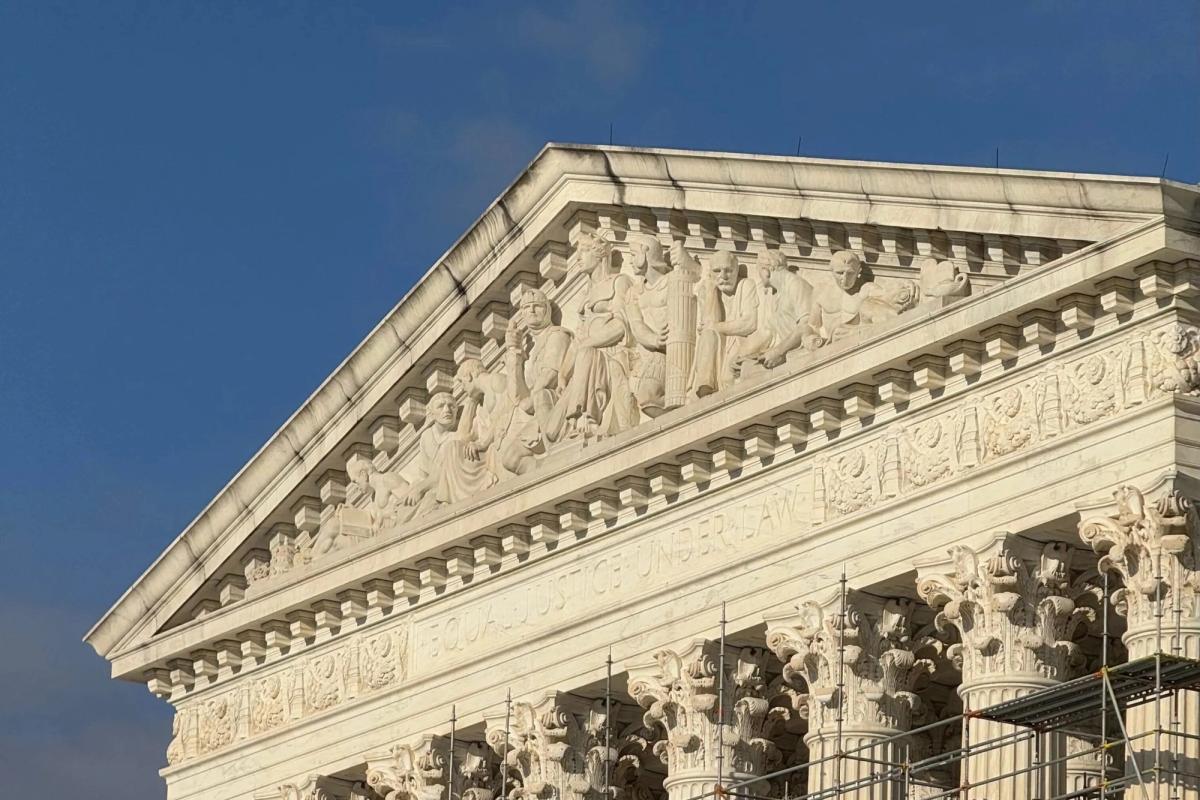
The Supreme Court's decision on Tuesday to defer action on Cook County's mootness request in what is now Khaya v. Cook County represents a strategic delay rather than a resolution—and it sets the stage for one of the most consequential Second Amendment cases since Carson v. Makin reshaped religious liberty law in June 2022. By pushing the mootness question to after oral argument on Wednesday, December 2, the justices have essentially signaled that they intend to hear the merits of whether the Second Amendment guarantees a right to possess AR-15s and similar semiautomatic rifles, regardless of procedural objections.
The procedural maneuvering here matters enormously. When lead plaintiff Cutberto Viramontes was dismissed on Monday, Cook County immediately argued the case should be dismissed as moot—a standard move when a plaintiff no longer has standing. But the Court's deferral of that request until after oral argument suggests the justices view the constitutional question as too important to avoid on technicalities. This is precisely the kind of issue where courts resist mootness dismissals: Second Amendment rights cases present recurring factual scenarios that might otherwise escape judicial review if dismissed whenever a particular plaintiff's circumstances change.
What makes this particularly significant is the timing and substance. The oral argument scheduled for 10:00 a.m. EST on Wednesday, December 2, will occur just days before the Court's December argument session concludes. These eight total oral arguments across the session address pressing issues—from Second Amendment rights to deportations to 'third-party countries,' to the seizure of an airplane over illegal beer transportation in Jouppi v. Alaska. But Khaya v. Cook County stands apart as a direct challenge to assault weapons bans that could reshape gun rights nationwide.
The Court's approach here—maintaining the case on its merits schedule while deferring the mootness question—suggests institutional confidence that this case will generate a substantive ruling rather than a narrow procedural disposal. Justices rarely preserve cases for full oral argument if they intend to dismiss them on standing grounds. The choice to hear argument first and decide mootness later indicates the Court believes it has an opportunity to establish binding precedent on what Second Amendment protections actually mean.
For gun rights advocates and their opponents alike, Wednesday's oral argument will reveal how seriously the current Court takes challenges to firearms restrictions. For Cook County officials who hope mootness will spare them an adverse ruling, the Court's Tuesday deferral was likely disappointing. The justices have essentially indicated they want to address this question on the merits—and that decision itself may prove more consequential than whatever comes after the oral argument concludes.