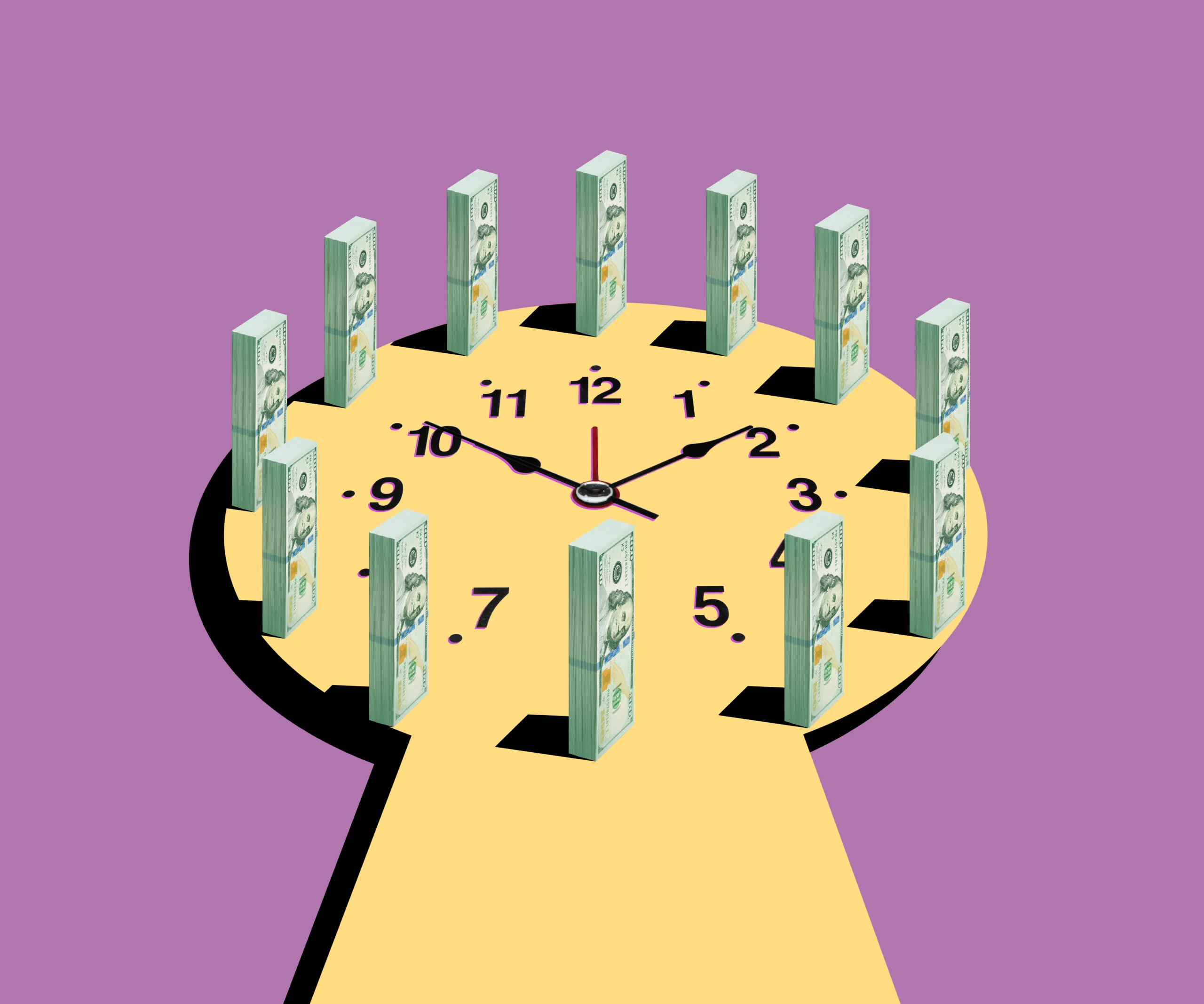
K&L Gates announced this week that associates hitting 1,950 creditable hours—including at least 1,850 billable—will move to the Cravath scale in 2027, earning between $235,000 for first-years and $455,000 for eighth-years. The firm also published its bonus scale for the first time. On its face, this looks like welcome progress. Associates know what to aim for, and the firm is tying compensation to performance. But there's a credibility problem baked into this announcement, and it matters more than K&L Gates seems to realize.
The core issue: K&L Gates is calling this 'the Cravath scale' when it isn't. Milbank moved first in June 2026, announcing these exact salary levels. Cravath followed last week. Yet K&L Gates credits Cravath, not Milbank, reinforcing what has become an almost mythical view of Cravath's market leadership—even when Cravath isn't leading. Global Managing Partner Stacy Gray Ackermann's memo emphasizes performance and transparency, but then obscures the actual market catalyst behind this move. That sends a confused message: either K&L Gates doesn't understand the compensation landscape it's operating in, or it's deliberately giving credit where it doesn't belong.
The real problem emerges in the fine print. K&L Gates's bonus structure has three tiers tied to hours: 1,950, 2,000, and 2,100. Only associates hitting 2,100 hours qualify for what the firm calls 'the Cravath bonus standard,' maxing out at $125,000 for eighth-years. Meanwhile, Cravath itself is offering special bonuses of $11,000 to $40,000 with no hours requirement—adding up to $155,000 total for senior associates. K&L Gates named its scale after Cravath but then pointedly declined to match the one element where Cravath is actually differentiating itself in the market. That's not following the leader; that's following the nameplate while ignoring the substance.
The 1,850 billable hour requirement also carries historical weight. In 2021, K&L Gates handed out special bonuses only to associates who billed 2,080 hours—a punishing threshold that prioritized raw hours over client value or associate well-being. This new structure is marginally better but still centered on billable time as the primary lever of compensation, even as the firm gestures toward 'performance' and 'innovation hours.' If Ackermann wants to signal that the firm is serious about rewarding performance beyond the billable hour, requiring 1,850 billable hours just to reach base salary eligibility undermines that message.
K&L Gates has an opportunity here to lead or at least to be honest about where it stands. If the firm believes in tying compensation to performance and client value, it should say so—and demonstrate it by matching the parts of competitor packages that actually reflect that philosophy. Instead, it's borrowed Cravath's name, adopted Milbank's numbers, and then added conditions that keep the focus firmly on hours. Associates will decode that quickly. Transparency isn't just about publishing the scale; it's about aligning the messaging with the substance of what the firm is actually rewarding.