Chicago faces a $55 billion debt burden that consumes $3.6 billion of its $16.6 billion annual budget, leaving the city unable to fund basic services. In 2027, $3.9 billion will go directly to debt repayment with no benefit to residents or city operations.
No other major U.S. city dedicates more resources to debt service. New York City, with three times Chicago's population and a budget seven times larger, carries $47 billion in debt. Los Angeles, with roughly 1 million more residents than Chicago, owes $1 billion.
Chicago's credit rating sits two or three levels above junk status due to years of deferred pension payments and questionable borrowing practices. All four major Wall Street credit rating agencies rate New York and Los Angeles as far more creditworthy. The city's chief financial officer, hired from Fitch Ratings, resigned after three months, citing concerns about her "integrity and professional obligations."
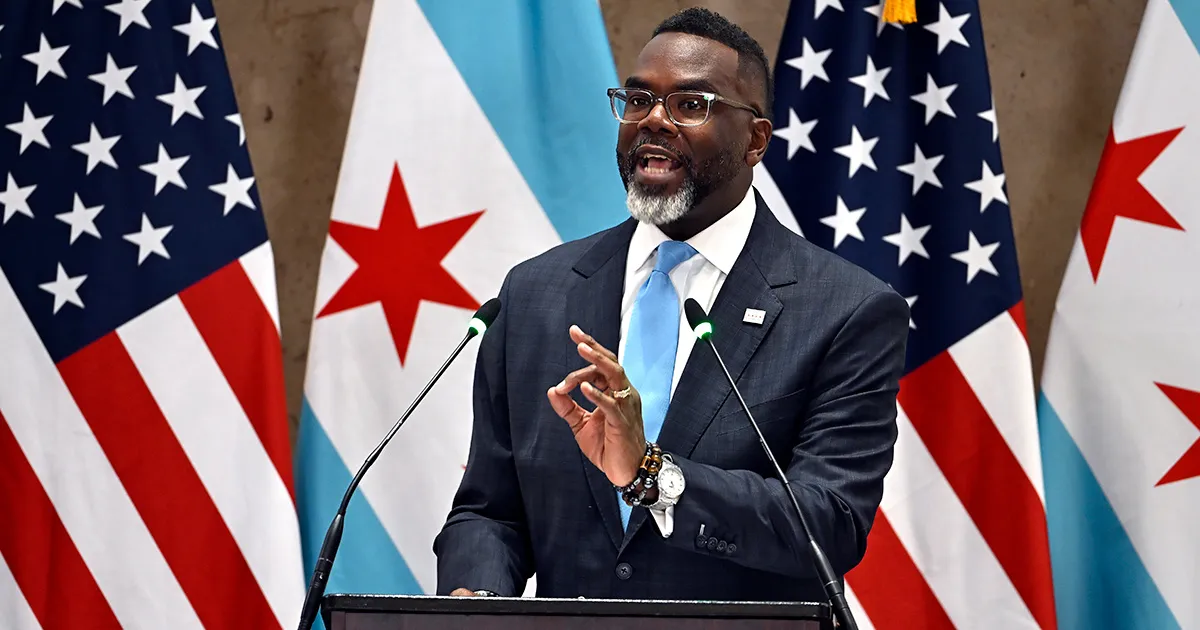
Mayor Brandon Johnson, who took office in 2023, inherited the crisis from prior administrations but has added $1.9 billion in new debt. The city borrowed $166 million in 2026 to pay firefighters owed wages and raises accumulated over four years without a contract. It borrowed an additional $267 million to cover police misconduct lawsuit costs.
Chicago's pension obligations remain untouchable by law and politics. Officials can control only one-third of the annual budget, with the remainder locked by debt payments, pensions, and federal and state spending mandates.
The budget crisis has immediate consequences. Restaurant inspections lag compliance. Sidewalk complaints accumulate without timely repairs. The Public Health Department lacks sufficient caseworkers for lead poisoning intervention in children. The city has reopened only two of six mental health clinics Johnson pledged to restore during his campaign.
Options are limited. Raising property taxes faces public resistance. Cutting police jobs is politically untenable. A planned casino revenue windfall appears unlikely. Johnson's proposal to tax social media companies like Facebook and YouTube faces a court challenge.
Johnson acknowledged the city cannot continue current practices. "We cannot continue to budget by searching for loose change in the couch," he said.