Chicago faces a $55 billion debt burden consisting of $19 billion in loan payments and $36 billion in pension obligations. The city's financial crisis stems from three major policy decisions made over decades.
In 2000, Chicago's pension funds were 85% funded. The dot-com bubble in 2000 and the Great Recession in 2007 wiped out nearly $16 billion from those funds. In 2005, the state legislature passed legislation at the request of then-Mayor Richard M. Daley allowing the city to contribute less annually than needed to pay retirees. From 2006 to 2007, Daley stopped making annual contributions to four pension funds for police officers, firefighters, laborers, and municipal employees. The City Council approved the move near-unanimously. This "pension holiday" allowed the city to balance its budget without raising property taxes. The decision laid the foundation for the current pension crisis.
In 2010, state legislators banned future pension holidays and set a firm schedule for repayment. Two pension funds must reach 90% funding by 2055, with the other two by 2058. A 2011 law reducing retirement benefits for state employees hired after January 1, 2011 created new problems. Benefits fell below what federal law requires for public sector pension funds. In 2021 and 2025, lawmakers amended the law to ensure police and firefighters received the federal minimum. These changes will cost Chicago an additional $11 billion over three decades. Gov. JB Pritzker signed the legislation over objections from city officials.
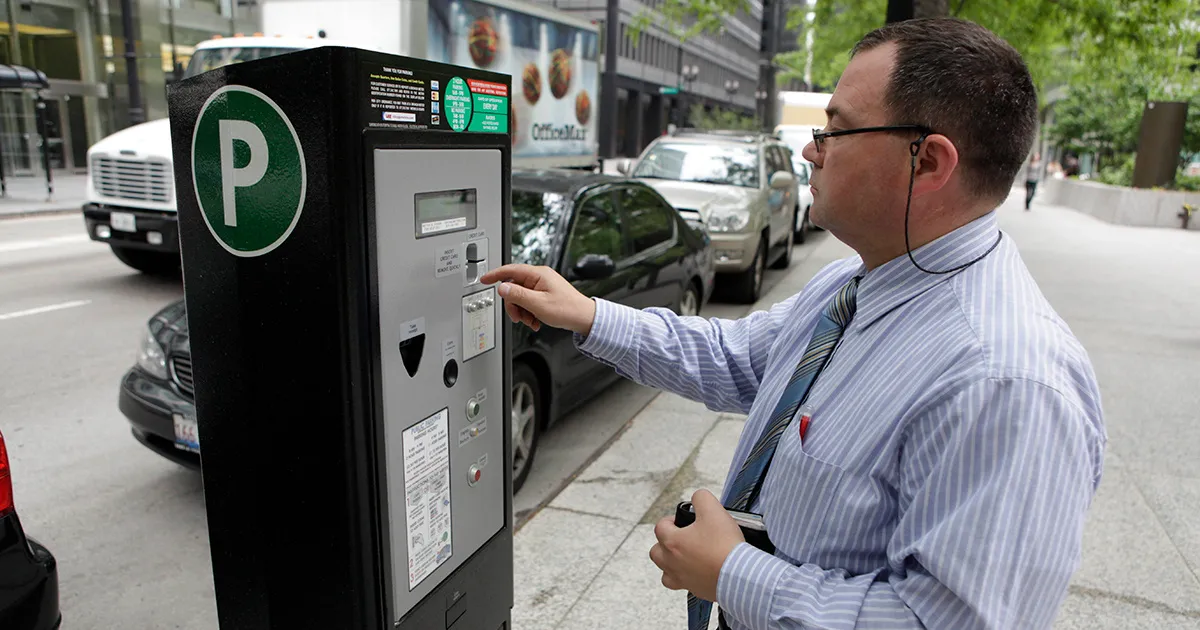
In 2008, facing budget deficits from the Great Recession, Daley and the City Council leased the city's parking meters to investment funds for 75 years in exchange for $1.5 billion upfront. The new owners immediately raised parking rates, sparking public anger. By 2025, the meters generated $2.2 billion in revenue for investors with 58 years remaining on the lease. Mayor Brandon Johnson said this year that buying back the meters for $3.2 billion was "far too high." Elected officials across the political spectrum agree the city would have fared better raising property taxes instead. Chicago Parking Meters LLC sold the contract to an investment firm this year, triggering a one-time $75 million payment to the city.
From 2019 to 2025, Chicago paid nearly $730 million to resolve police misconduct lawsuits, according to a WTTW News analysis. In 2026 alone, the city spent more than $277 million, including nearly $100 million to resolve 90 lawsuits filed by people allegedly wrongfully implicated based on evidence gathered by former Sgt. Ronald Watts, convicted in 2013 of taking bribes. Watts has denied wrongdoing. Mayor Johnson urged the City Council to borrow an additional $481 million to cover misconduct settlement costs.