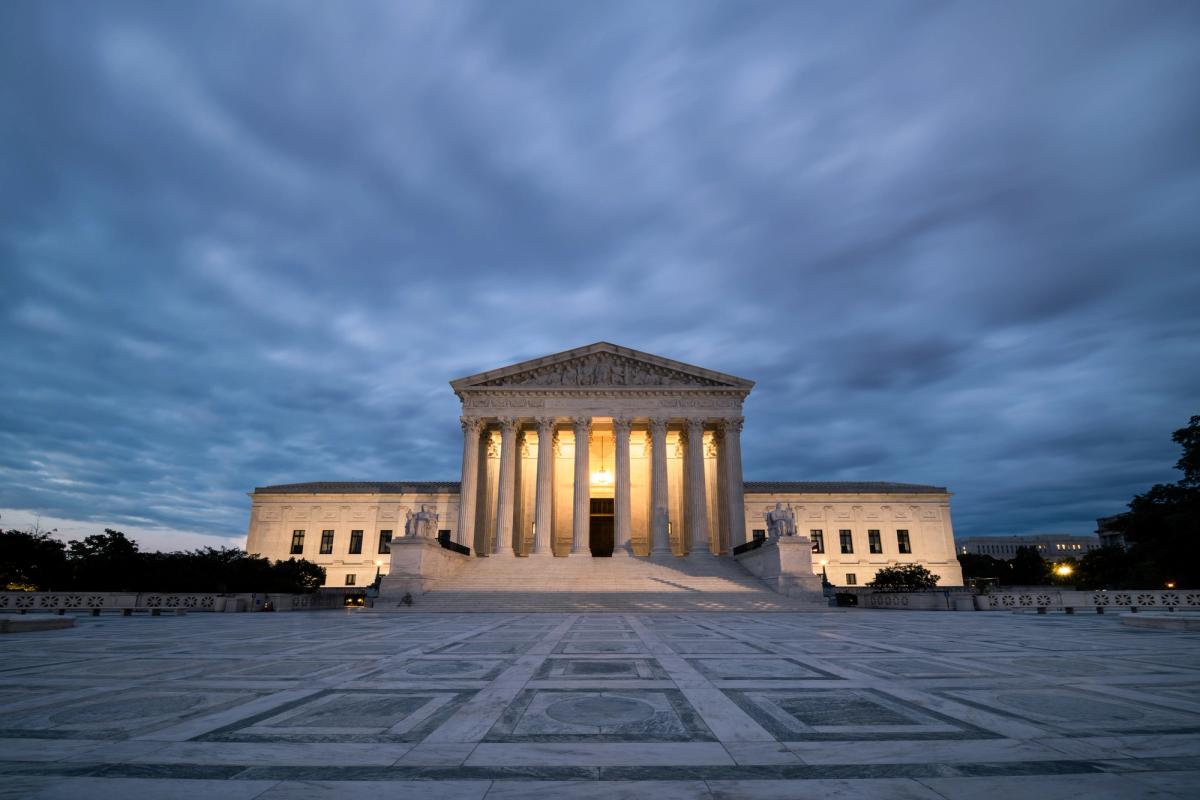
A petition before the Supreme Court challenges the U.S. Court of Appeals for the 8th Circuit's decision in Aubol v. Andeavor Logistics LP, a trespass action brought by tribal citizen allotment owners against a pipeline company. The federal right-of-way for the pipeline expired in 2013. The Mandan, Hidatsa, and Arikara Nation extended the right-of-way on its lands, but individual tribal citizens did not consent to the extension on their allotments. The 8th Circuit remanded the issue to the Bureau of Indian Affairs rather than resolving the trespass claim. The cert petition argues this conflicts with Oneida County v. Oneida Indian Nation, which recognized a federal common law cause of action allowing Indigenous property owners to bring trespass actions in federal court.
Federal courts have applied inconsistent standards to Indigenous property rights. In Davilla v. Enable Midstream Partners, the 10th Circuit held that a pipeline trespasser on Indigenous property would not face removal orders unless a federal court determined removal served the public interest. The 7th Circuit reversed a Wisconsin district court decision in Bad River Band of Lake Superior Ojibwe Indians v. Enbridge Inc. that had denied the tribe immediate removal of a trespassing pipeline based on public interest considerations.
Assistant Secretary for Indian Affairs Bryan Newland has argued that historical Supreme Court decisions treated Indigenous property as effectively public property. Early cases like Cherokee Nation v. Georgia and Cherokee Nation v. Hitchcock established a "guardian-ward" framework allowing the federal government to control Indigenous assets without tribal consent. Though the Supreme Court explicitly overturned this framework in United States v. Sioux Nation, the Department of Justice continues asserting guardianship-type control in litigation. Justice Neil Gorsuch raised related concerns in his dissent in Arizona v. Navajo Nation regarding blocked water rights.
In a pending D.C. Circuit case, the Tohono O'Odham Nation challenges the Department of Homeland Security's border wall construction on tribal trust land. The DOJ has asserted that tribal nations may not sue the United States for trespass on lands held in federal trust for the tribe's benefit. This position echoes guardianship doctrines where a ward lacks legal capacity to sue a guardian.