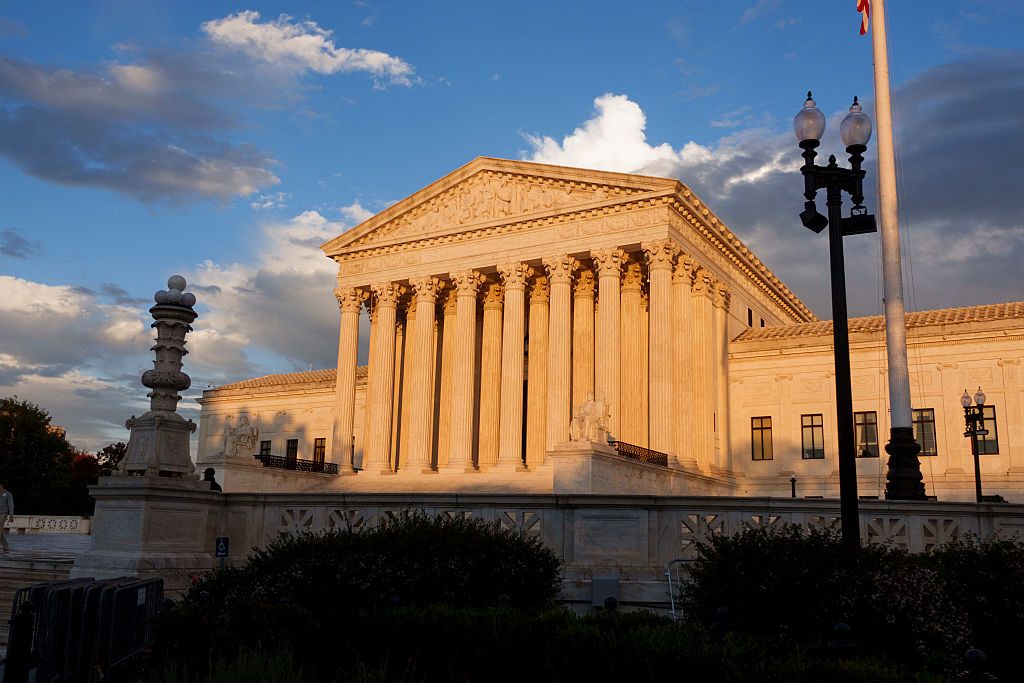
The Supreme Court will hear oral argument on Tuesday in a case challenging Alaska's seizure of an 83-year-old bush pilot's $95,000 airplane under the Eighth Amendment's Excessive Fines Clause.
Ken Jouppi was convicted in 2012 of knowingly transporting alcohol to Beaver, Alaska, a "dry" village with a population of 48 that prohibits alcohol importation. State troopers found beer on his plane that a passenger was bringing to her husband. The trial judge sentenced Jouppi to three days in prison and imposed a $1,500 fine. Under Alaska law, prosecutors then sought to forfeit his plane. The Alaska Supreme Court upheld the forfeiture, concluding it was not grossly disproportional to the offense.
Jouppi argues the forfeiture violates the Excessive Fines Clause because courts must consider the gravity of the defendant's specific conduct, not abstract societal harm. He characterizes the incident as involving one six-pack of beer visible in a grocery bag. He invokes the Supreme Court's 1998 decision in United States v. Bajakajian, where the Court ruled that forfeiting $357,144 for failing to report cash exports was unconstitutional.
Alaska counters that Jouppi transported approximately nine gallons of beer to an isolated community with no roads and no emergency medical services. The state argues the forfeiture law prevents planes from being used again to import alcohol and deters similar violations. Alaska distinguishes its forfeiture regime from currency forfeitures, citing a long history of ship and vessel forfeitures in federal and territorial law for crimes including customs fraud and alcohol importation.