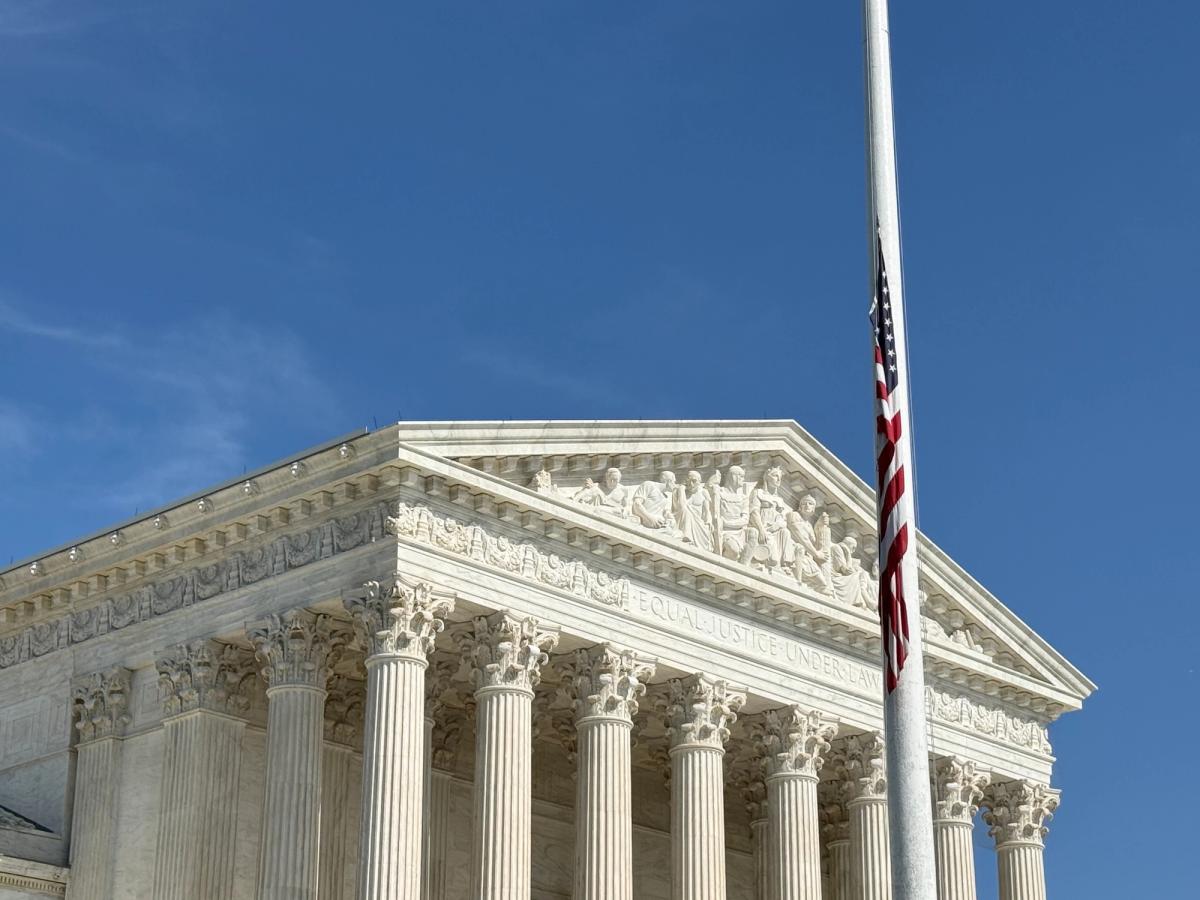
The Supreme Court will hear argument on November 10 in Department of Labor v. Sun Valley Orchards, LLC, a case testing whether Department of Labor administrative law judges may impose fines on employers for H-2A visa program violations.
Sun Valley Orchards challenges the DOL's authority to collect what it characterizes as ruinous fines for alleged breaches of employment contracts with temporary foreign workers. The company argues it has a Seventh Amendment right to a jury trial and an Article III federal court forum for such disputes.
The case centers on whether the government may condition participation in the H-2A temporary worker program on employers waiving constitutional rights. Sun Valley and its amici, including former Attorneys General Edwin Meese III and Michael Mukasey, contend that the government cannot use immigration authority as leverage to strip Americans of constitutional protections.
The government relies on the public-rights doctrine, which permits non-Article III judges to adjudicate privileges created by government rather than rights recognized at common law. Immigration itself falls into this category as a privilege, not a right. The Solicitor General's briefs argue this doctrine permits DOL administrative judges to hear the case without a jury.
The author, who signed an amicus brief for Sun Valley, distinguishes between the public-rights doctrine as properly understood and its expansion in Atlas Roofing Co. v. Occupational Safety and Health Administration (1977). There, Justice Byron White held that new statutory obligations could be decided exclusively by administrative agencies without jury trial rights.
That precedent was limited by SEC v. Jarkesy (2024), where the Supreme Court held that civil penalties constitute property deprivations triggering Seventh Amendment jury trial rights. The author argues Jarkesy establishes that when agencies impose significant fines, those fines deprive persons of property rights that require Article III courts and jury trials.