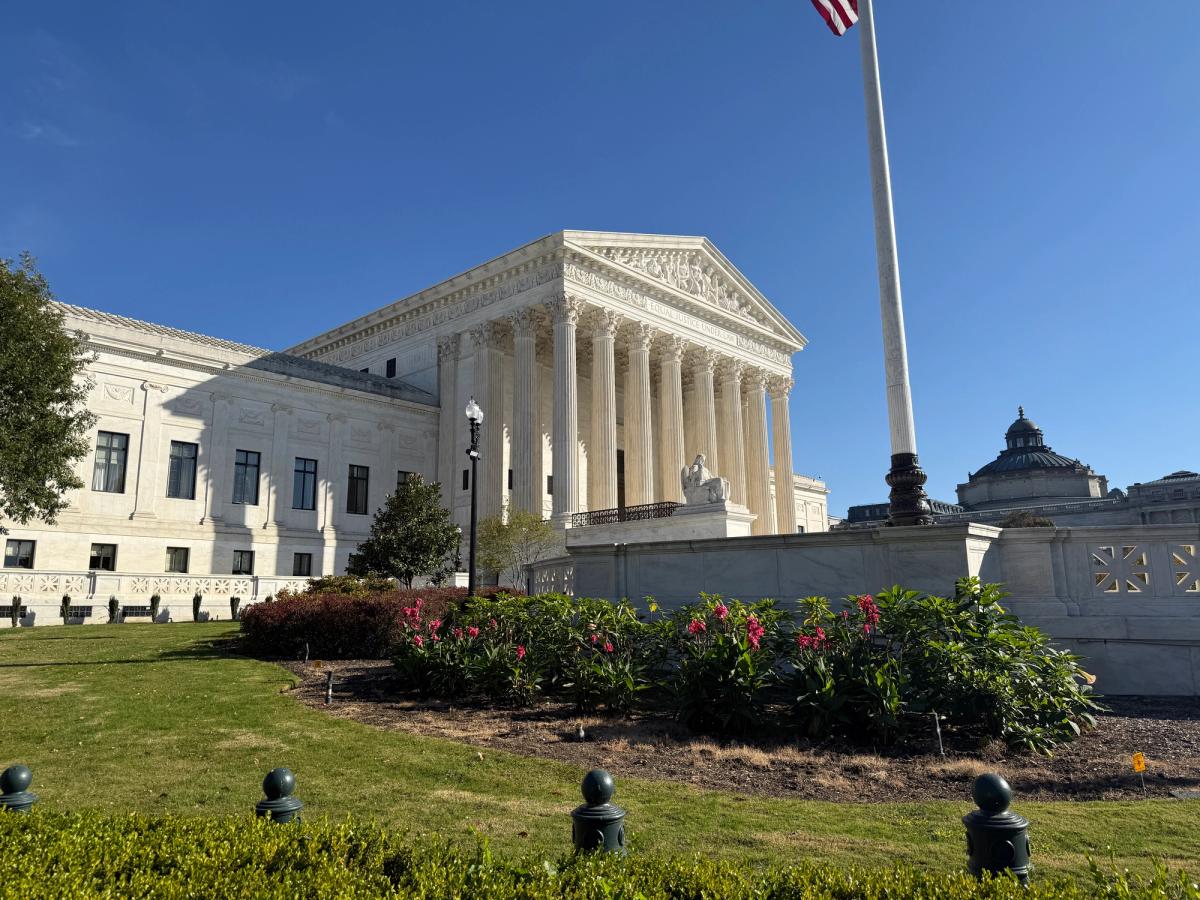
The Supreme Court will hear arguments on November 10 in Department of Labor v. Sun Valley Orchards, a case testing whether Congress can grant the executive branch authority to adjudicate employment disputes involving temporary immigrant workers, rather than reserving such disputes for Article III courts.
The Department of Labor administers the H-2A visa program, which permits employers to hire temporary foreign agricultural workers. The DOL has used administrative law judges for decades to resolve disputes under this program. In this case, the DOL charged Sun Valley Orchards with failing to compensate H-2A workers as promised in its program application. An administrative law judge largely sided with the DOL, and the DOL's administrative review board affirmed that decision. Sun Valley then appealed to federal district court, which owed great deference to the DOL's adjudication under the applicable statute.
The U.S. Court of Appeals for the 3rd Circuit ruled that the DOL's administrative adjudication violates Article III of the Constitution.
The constitutional question centers on the "public rights" doctrine. Courts have long held that Congress may authorize executive officials to adjudicate disputes involving "public rights," a category traditionally reserved for executive functions like granting visas, but not for disputes traditionally resolved in court, such as contract litigation. The doctrine, however, lacks clear boundaries.
The government argues the case involves public rights because it concerns immigration or remedies for violations of immigration privileges. Sun Valley Orchards contends the dispute is a contract matter between private parties, the type of dispute that existed under English common law when Article III was drafted, and therefore outside the executive branch's adjudicatory reach.
Recent Supreme Court decisions including Loper Light Enterprises v. Raimondo and Trump v. Slaughter indicate the current bench favors limiting administrative authority. Justice Neil Gorsuch has long pressed this issue in other contexts, and Chief Justice John Roberts has authored modern opinions on the topic.