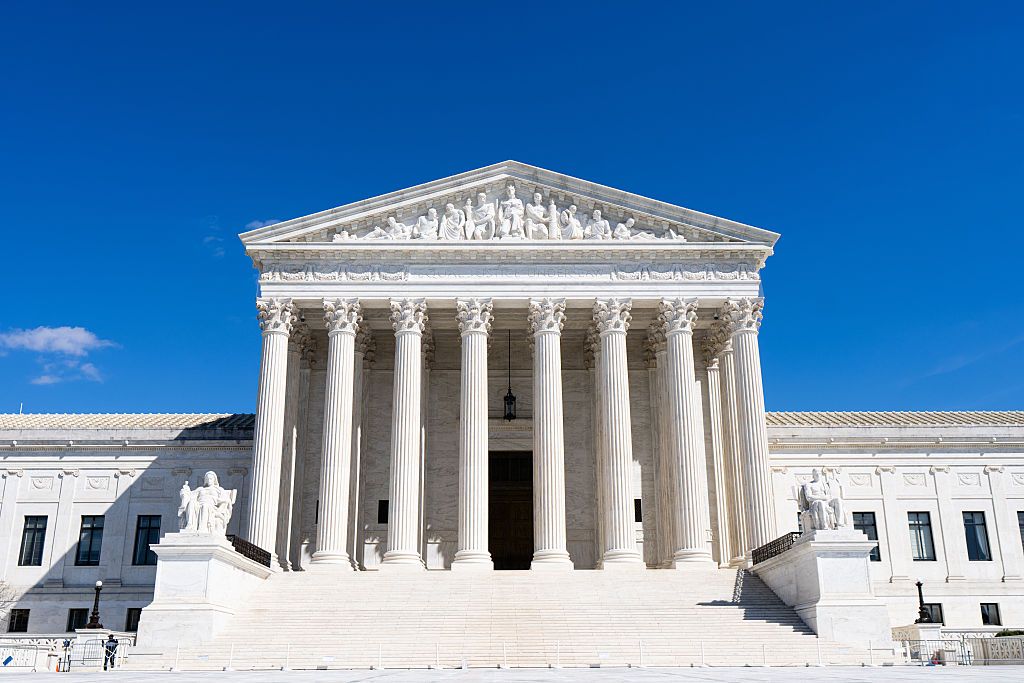
Democrats won control of both chambers of Congress in the midterm elections, gaining at least 40 House seats and at least seven Senate seats. This power shift will reshape the Supreme Court's future in multiple ways.
The Democratic Senate majority will effectively block any Supreme Court nomination by President Donald Trump after January. Democrats will have enough votes to reject a nominee or prevent confirmation hearings entirely. A nominee requires at least 50 votes for confirmation, and Vice President JD Vance cannot break a tie in Trump's favor with Democrats in control.
Justice Samuel Alito addressed retirement speculation in recent months. In an interview with Bloomberg, Alito said "I intend to stick around through this term" and stated that the midterm outcome would not change his decision. The New York Times reported that Alito indicated to friends after the election that he "does not intend to immediately announce his retirement."
Even if Alito retired, some commentators believe Trump could not replace him. Ed Whelan, writing on Substack, noted that conservative justices are unlikely to retire for at least two years because Democrats will control the Senate. "If Clarence Thomas and Samuel Alito want to avoid being replaced by someone with a very different judicial ideology, they might not be able to retire before 2033," Whelan wrote.
Democrats now have the power to hold hearings on Supreme Court reform proposals, including ethics rules, term limits, and court expansion. However, they lack the votes to overcome a Trump veto. Sen. Chris Murphy introduced a bill requiring outside ethics enforcement and written recusal explanations. A Marquette Law School Poll found that 89 percent of U.S. adults favor enforcing a strict ethics code for justices.
Democratic victories at the state level, particularly in Texas, may also affect the court's docket. Republican-led Texas has pursued challenges to Biden-era regulations for years. Democratic state officials may abandon such cases or pursue different litigation priorities.