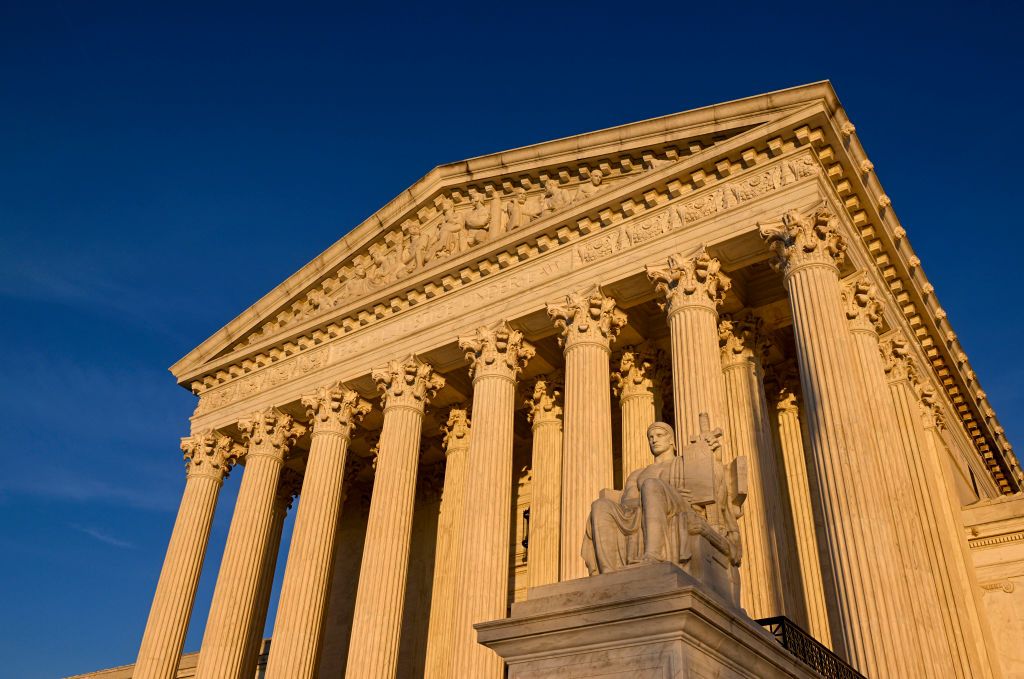
The Supreme Court heard arguments in St. Mary Catholic Parish v. Roy, a case that will determine whether Colorado can exclude Catholic preschools from its universal preschool funding program because they require families to affirm church teachings on sex and marriage.
Colorado voters approved universal preschool funding in 2020, providing about $6,300 per child for 15 hours weekly. Roughly 2,000 preschools participate, including religious ones. All must comply with an "equal opportunity" mandate prohibiting discrimination based on religion, sexual orientation, gender identity, and other factors. Colorado allows secular exemptions for preferences like employee children and siblings, but refuses to accommodate the Catholic parishes' religious enrollment criteria. The parishes have been excluded from the program. Daniel and Lisa Sheley report losing more than $12,000 in benefits.
The case centers on the reach of Employment Division v. Smith, the 1990 precedent holding that neutral laws of general applicability need only rational basis review, even if they burden religious exercise. The Catholic preschools argue strict scrutiny should apply through two routes: either Colorado's mandate lacks general applicability because it exempts secular but not religious conduct, or under the public benefits doctrine from recent cases like Carson v. Makin that bar excluding religious schools from generally available funding.
Justice Clarence Thomas opened argument by noting the court had not cited Smith in the two prior cases excluding religious schools from public benefits. Colorado's deputy solicitor general faced pointed questions from Justice Neil Gorsuch about whether states could simply redraft programs to achieve the same exclusions.
Colorado argues Carson addresses only explicit religious exclusions, not neutral conditions that happen to burden religious practice. The U.S. government told the court that Smith represents an anomaly in free exercise doctrine.
The lower courts sided with Colorado.