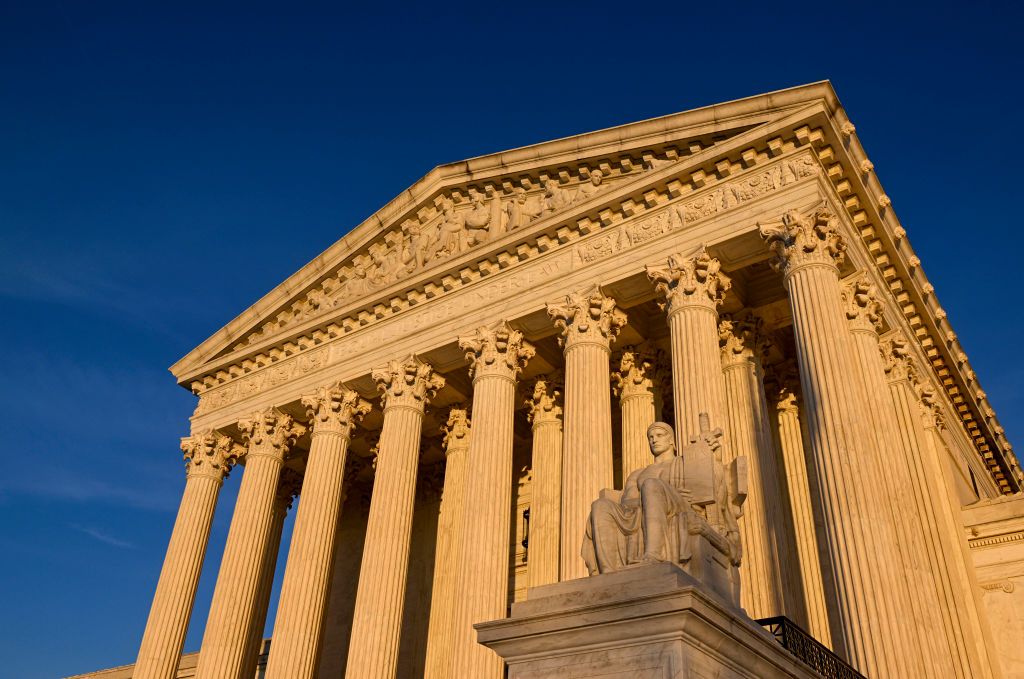
# Supreme Court Poised to Reshape Free Exercise Doctrine in Upcoming Major Case
The U.S. Supreme Court stands ready to hear arguments in a significant religious liberty dispute that could fundamentally alter how courts evaluate government restrictions on religious practice. The case represents the Court's most substantial examination of the Free Exercise Clause in years, following the 2022 decision in Kennedy v. Bremerton School District that already shifted the legal landscape favoring religious claimants.
The dispute centers on whether government actions that burden religious exercise require strict judicial scrutiny or whether a more deferential standard applies. This doctrinal question carries enormous practical consequences for houses of worship, religious organizations, religious schools, and individuals seeking exemptions from generally applicable laws.
Since Employment Division v. Smith established in 1990 that neutral, generally applicable laws need not satisfy strict scrutiny even when they burden religion, courts have struggled to define the boundaries of religious liberty protections. The Bremerton decision last term signaled the current Court's willingness to revisit this framework. Chief Justice John Roberts and the conservative majority indicated skepticism toward tests requiring government to demonstrate compelling interests and narrow tailoring when laws incidentally burden religious exercise.
The forthcoming case will force the justices to articulate precisely how expansively the Free Exercise Clause protects religious conduct. Religious organizations and conservative legal advocates have pushed for heightened protections, arguing that government should bear a heavy burden when its rules interfere with sincere religious beliefs or practices. Civil rights groups and secular organizations counter that broad religious exemptions undermine public health, safety, and equality interests.
The case will likely address whether religious exemptions from generally applicable laws constitute government favoritism toward religion, potentially violating the Establishment Clause. The Court must navigate the tension between protecting religious exercise and ensuring that one person's religious liberty does not substantially burden others' rights or government's regulatory objectives.
Religious schools seeking exemptions from discrimination laws, employers claiming religious objections to healthcare mandates, and faith-based organizations challenging various regulatory schemes all await this decision. Employment law, healthcare law, housing law, and education law could all feel ripple effects depending on how broadly the Court reads the Free Exercise Clause.
Legal observers expect the Court's 6-3 conservative majority will continue expanding religious liberty protections beyond what the Smith precedent permitted. However, the precise scope remains uncertain. Justices may create categorical exemptions for certain contexts, establish new balancing tests, or articulate principles determining which government interests can justify burdening religion.
The decision will reshape how lower courts address religious liberty claims, affecting thousands of disputes involving religious organizations, schools, employers, and individuals. Legal departments at businesses and nonprofits already prepare for potential new obligations to accommodate religious employees and patrons. Government agencies contemplate expanded exemptions from their regulatory frameworks.
Arguments will illuminate whether the current Court views religious exercise as deserving special constitutional protection elevated above other fundamental rights or whether it requires case-by-case analysis of competing interests.