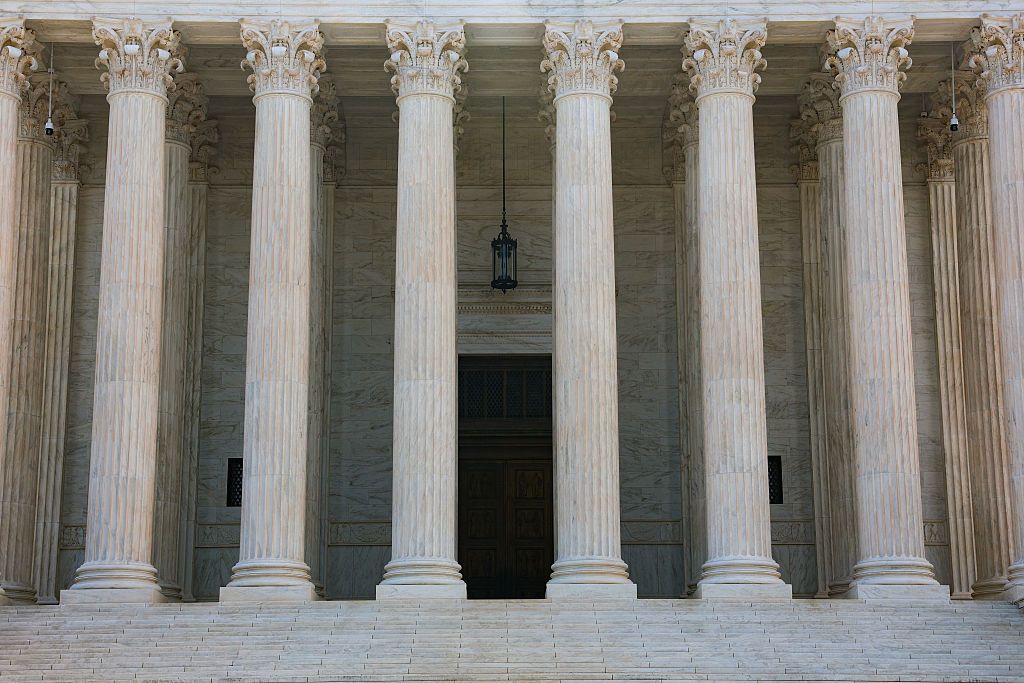
# Supreme Court Leaves Vehicle Seizure and NLRB Removal Questions Unresolved
The Supreme Court declined Monday to hear three separate petitions affecting law enforcement authority, criminal procedure, and executive power. The refusals to grant certiorari leave lower court decisions intact on vehicle seizures in Chicago, forfeiture disputes connected to 9/11 litigation, and presidential removal authority over National Labor Relations Board members.
The Court's decision to pass on the vehicle seizure case leaves Chicago's civil forfeiture practices vulnerable to continued litigation but without Supreme Court guidance. Civil asset forfeiture, the practice of seizing property suspected of connection to criminal activity without necessarily charging the property owner with a crime, generates hundreds of millions in revenue for police departments nationwide. The Chicago case raised constitutional questions about due process protections for vehicle owners facing seizure by law enforcement. Without Supreme Court intervention, lower courts continue applying different standards, creating inconsistent protections across jurisdictions.
The 9/11-related forfeiture petition involved disputes over property seized or frozen in connection with terrorism investigations following the September 11 attacks. These cases carry distinct legal complexity because they intersect national security concerns with individual property rights and international claims. The Court's refusal to hear the matter means settled law in that circuit continues governing 9/11 asset disputes without Supreme Court reconsideration of the underlying forfeiture standards.
The most consequential denial involves presidential removal power over NLRB members. This case directly addressed whether the President can remove National Labor Relations Board members at will or only for cause, a question that shapes executive authority over independent agencies. The NLRB oversees union elections, unfair labor practice complaints, and collective bargaining disputes affecting millions of workers and thousands of employers. If the President removes board members freely, agency policy could shift dramatically with each administration. If removal faces statutory restrictions, the board maintains greater independence from executive pressure.
Past Supreme Court decisions have restricted presidential removal authority. In 1935, the Court upheld the Federal Trade Commission Act's "for cause" removal standard in Humphrey's Executor v. United States. More recently, in 2010, the Court in Free Enterprise Fund v. Public Company Accounting Oversight Board addressed removal restrictions for officers whose removal the President cannot control. The NLRB case presented an opportunity to revisit or clarify these precedents in the modern administrative state.
The Court's denial preserves the status quo for NLRB independence. Absent Supreme Court action overruling the lower court, NLRB members retain statutory job protection and cannot be removed except for cause. This protects labor unions and employers from sudden policy reversals based on presidential transitions. Union organizing campaigns and unfair labor practice remedies remain insulated from direct executive replacement of board leadership.
These denials reflect the Court's gatekeeping function. With thousands of petitions filed annually, the Court accepts roughly seventy cases. Declining certiorari carries no statement of reasoning and no implication of agreement with lower court analysis. Petitioners may refile if circumstances change or if additional circuits split on the same issue.
Businesses and individuals challenging forfeiture face continued uncertainty across different jurisdictions. Workers and labor unions benefit from preserved NLRB independence, though political pressure for future Congressional reform remains possible.