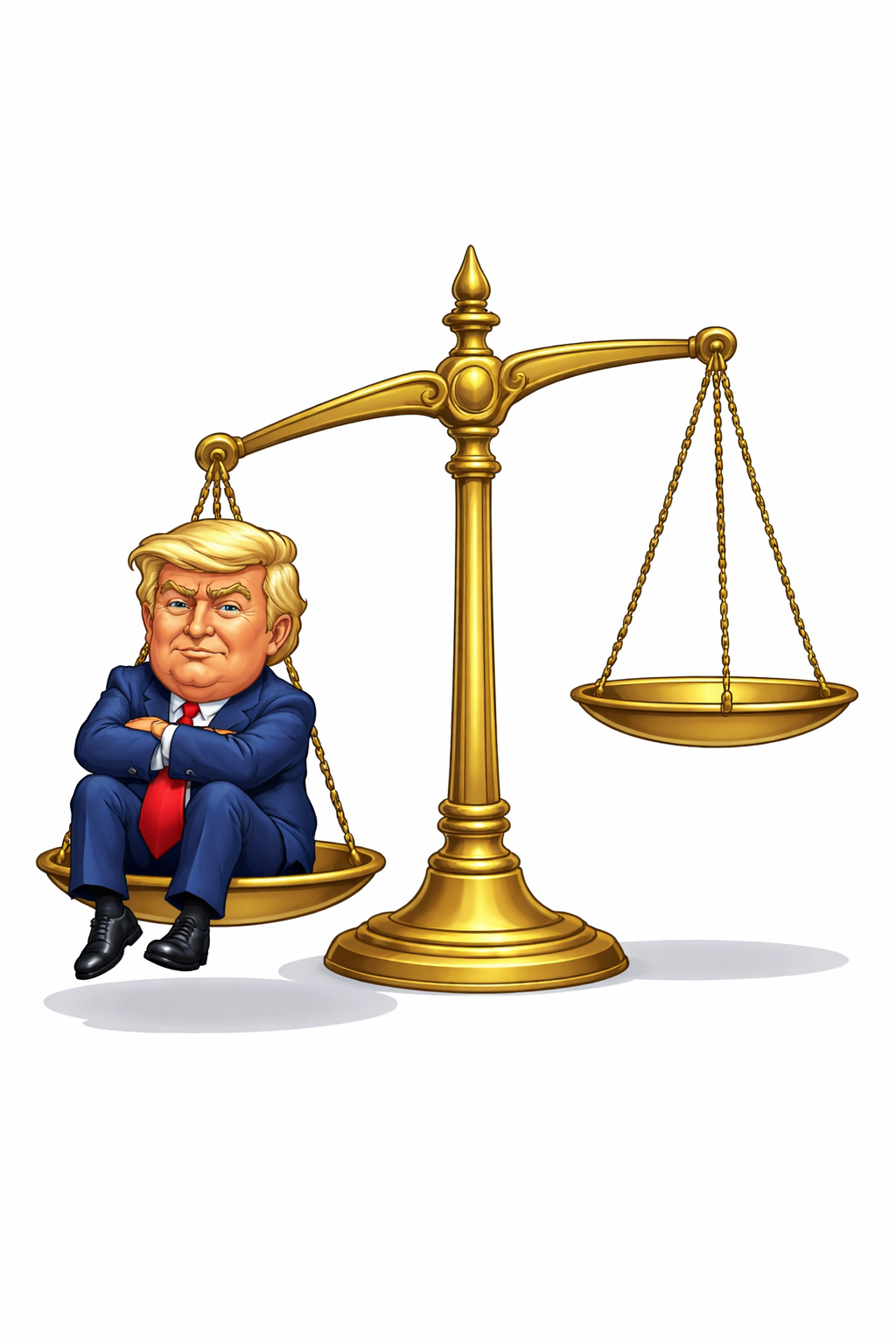
# Trump-Appointed Judges Face Scrutiny Over Courtroom Conduct and Judicial Decorum
Trump-appointed federal judges are drawing criticism from legal observers and court watchers over their courtroom conduct and adherence to traditional judicial standards. The scrutiny reflects broader concerns about how judges appointed during the Trump administration approach their public roles and the image of the federal judiciary itself.
The criticism centers on concerns that some Trump appointees have departed from conventional judicial restraint. Legal commentators point to instances where judges have engaged in behavior or made statements that depart from the traditional, understated demeanor expected of federal jurists. These departures range from fashion choices to more substantive questions about whether judges maintain appropriate distance from political movements and public spectacle.
This dynamic touches on core questions about judicial philosophy and the role courts play in American democracy. Judges appointed by any president bring their own judicial philosophies to the bench, but the federal judiciary has traditionally maintained norms of impartiality and decorum that transcend individual political views. When judges appear to abandon these conventions, it raises questions about public confidence in the judiciary's independence.
The timing of these concerns reflects the broader polarization of judicial appointments. Trump appointed more than 230 federal judges during his presidency, reshaping the federal bench significantly. This cohort includes numerous judges who have sided with Trump administration positions in major cases involving immigration, environmental regulation, and voting rights. Some observers worry that judicial conduct issues could compound public skepticism about whether these judges rule based on law or partisan preference.
The criticism also highlights how courts operate in an age of constant media attention and social media commentary. Every judicial gesture, every word choice, and yes, every fashion decision receives analysis and interpretation. This creates pressure on judges to maintain the gravitas and distance from public performance that the judiciary has traditionally required.
Federal judicial conduct standards exist under the Code of Conduct for United States Judges. These rules address issues including impartiality, integrity, and appropriate public behavior. The standards require judges to avoid conduct that undermines public confidence in the judiciary. Whether specific instances of conduct by Trump appointees violate these standards would depend on individual facts, but the pattern of concern suggests potential tension between how some newer judges view their role and how the established judiciary understands judicial propriety.
The federal judiciary faces real legitimacy challenges. Public trust in courts depends partly on the perception that judges operate according to law rather than politics. When judges appear to embrace aspects of public performance or partisan alignment, that trust erodes. For Trump appointees in particular, the perception challenge runs deeper because Trump himself has repeatedly criticized judges who ruled against his positions, creating questions about whether judges appointed by Trump can be seen as truly independent.
This situation will likely intensify debates about judicial appointments and confirmation standards. Future Senate confirmation hearings may include more probing questions about whether nominees understand and commit to traditional judicial norms. The Judicial Conference of the United States may also face pressure to clarify expectations regarding public conduct and courtroom demeanor for all judges.
The stakes extend beyond etiquette. Federal courts decide cases involving fundamental rights, presidential power, and the boundaries of government authority. Public confidence in these institutions depends on judges who demonstrate commitment to impartiality and the rule of law over all other considerations.