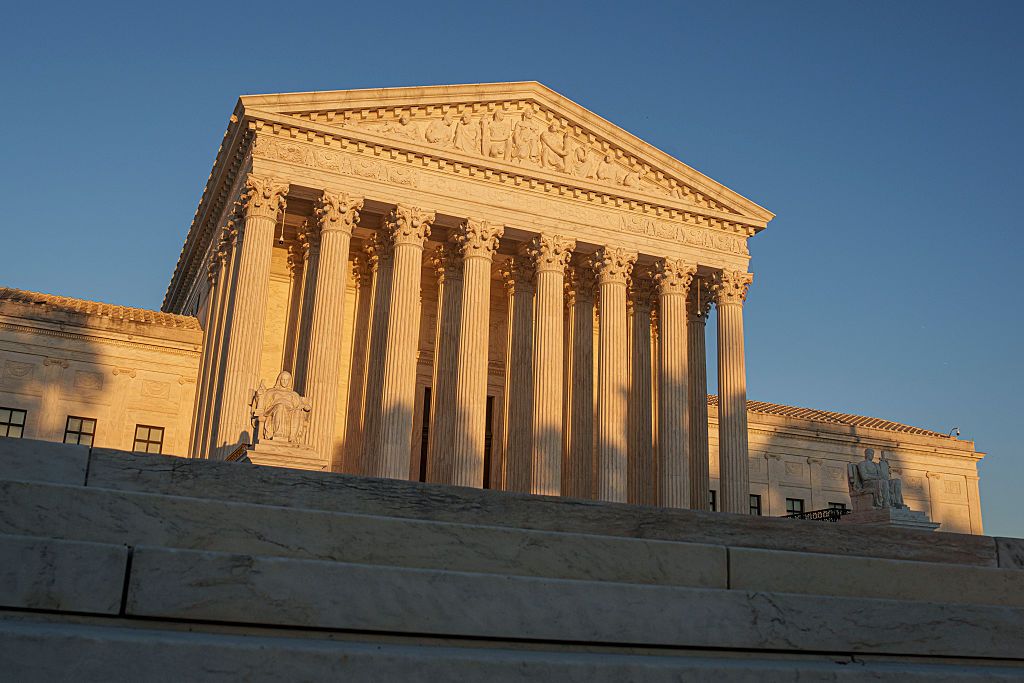
# Federal Court Hierarchy Leaves Guam and U.S. Territories Without Full Supreme Court Access
The U.S. territories, including Guam, operate under a fragmented federal court system that effectively bars their residents from direct Supreme Court review in certain cases. Unlike the fifty states, which feed into a unified appellate structure culminating in the Supreme Court of the United States, Guam and other territories remain structurally isolated within the federal judiciary.
The problem stems from statutory architecture dating back decades. The District Court of Guam, established under 48 U.S.C. Section 1424, functions as both a trial and appellate court for territorial cases. This hybrid role creates a bottleneck. When territorial residents exhaust local remedies, appeals do not automatically route through the federal circuit court system. Instead, they remain trapped within the territorial framework, leaving no clear pathway to Supreme Court review for cases involving federal constitutional questions or statutory interpretation.
This stands in sharp contrast to the fifty states. A state resident can challenge a state supreme court decision in the Supreme Court if it involves a federal question under the Court's appellate jurisdiction. Even federal district court decisions can reach SCOTUS through the federal circuit courts. Territorial residents possess no such recourse.
The Ninth Circuit Court of Appeals, which technically covers the territories, rarely addresses territorial matters comprehensively. The court treats territorial cases as peripheral to its main docket. Federal statutes do not require the Ninth Circuit to hear all territorial appeals as of right. This creates gaps where neither the territorial courts nor the federal appellate system takes full responsibility.
The practical consequences are concrete. Territorial residents facing discrimination, civil rights violations, or conflicts over federal benefits lack the same appellate remedies as mainland citizens. A Guam resident fighting an employment discrimination claim based on federal civil rights law may find their case stranded in the district court, with no guaranteed path to review by higher federal authority. The same case litigated in California would proceed through a structured appellate hierarchy leading potentially to SCOTUS.
Congress created this disparity through statute but has never corrected it despite decades of territorial population growth and economic development. Guam's population exceeds 160,000 residents. The Northern Mariana Islands, American Samoa, the U.S. Virgin Islands, and Puerto Rico together represent millions of Americans. Yet their federal judicial access remains second-tier.
Legal scholars and territorial bar associations have criticized this arrangement as inconsistent with the Fifth Amendment's Due Process Clause and the constitutional guarantee of equal protection. The structure violates the principle that federal law means the same thing everywhere it applies.
Reform would require congressional action. Legislation could establish direct Ninth Circuit appellate jurisdiction over territorial cases or create alternative mechanisms for Supreme Court review. Some proposals suggest integrating territorial courts more fully into the federal appellate system. None have gained sufficient traction to become law.
Until Congress acts, residents of Guam and other territories operate under a separate and unequal federal court system. They pay federal taxes, serve in the military, and live under federal law. Yet their access to federal justice remains categorically different from that of mainland Americans. The constitutional principle announced in the opening of the Supreme Court building bears a hidden asterisk.