# Trump Administration Legal Challenges Mount as Staff Prepares for Potential Democratic Victory
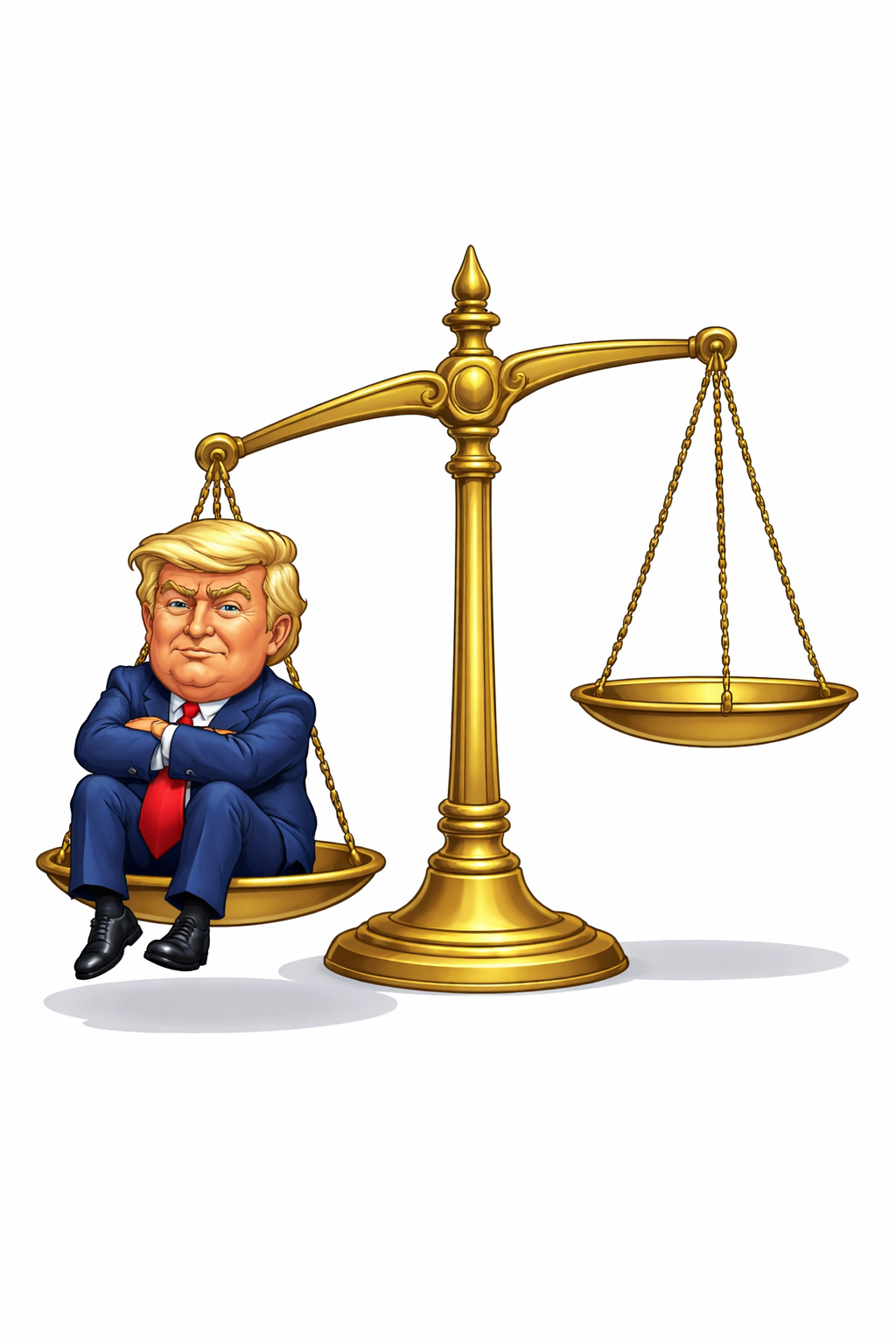
Senior Trump administration officials are retaining private counsel in anticipation of a Democratic midterm election victory, according to reporting from the Wall Street Journal. The move reflects heightened concern among Trump staffers about potential investigations and legal exposure should control of Congress shift to Democratic hands. Officials across multiple agencies have begun consulting with outside counsel to prepare for possible congressional inquiries and related litigation.
The preemptive hiring of defense attorneys signals anxiety within the administration about investigative targets. Democratic-controlled committees would gain subpoena power and the authority to launch inquiries into administration policies, financial dealings, and conduct. Historical precedent suggests such transitions frequently trigger investigations. Trump staffers appear to be calculating that retaining experienced counsel now positions them better to respond to future scrutiny.
This legal preparation occurs against the backdrop of multiple existing legal challenges facing the Trump administration itself. A federal court rejected the administration's attempt to disqualify Susman Godfrey from a lawsuit against the administration, according to Reuters reporting. Susman Godfrey, a prominent Washington law firm, had faced a motion from the Trump administration seeking to remove the firm from litigation. The court's denial of this disqualification bid represents a setback for the administration's litigation strategy and preserves the firm's role in the case.
The specifics of the underlying lawsuit were not detailed in the available reporting, but the administration's failed effort to remove opposing counsel underscores mounting legal friction. Disqualification motions typically succeed only when conflicts of interest are substantial. The court's rejection suggests the administration's arguments failed to meet that threshold.
Separately, a federal judge faces misconduct allegations related to claims that the jurist has "abandoned" judicial duties, according to Bloomberg Law News reporting. Details surrounding the misconduct complaint remain limited, but allegations of abandoning judicial responsibilities carry serious professional consequences. Federal judges operate under the Code of Conduct for United States Judges, which establishes ethical standards. Abandoned duties could trigger disciplinary proceedings before the Judicial Conference of the United States or referrals to the Office of Inspector General.
Judicial misconduct complaints follow a formal process. The Judicial Conference investigates alleged violations and may recommend corrective action, private censure, public censure, or in severe cases, removal recommendations to Congress. The judge facing abandonment allegations will likely have opportunity to respond to specific charges through established misconduct procedures.
These three legal developments intersect to reveal intensifying legal pressure across multiple fronts. Administration staff preparing personal defense strategies suggests internal acknowledgment that current political control cannot be assumed permanent. The failed attempt to disqualify Susman Godfrey demonstrates that courts are not deferring to administration litigation preferences. The judicial misconduct allegation introduces additional uncertainty into the federal judicial system at a moment when administration legal interests depend heavily on favorable judicial rulings.
The cumulative effect paints a picture of a besieged administration managing multiple legal theaters simultaneously. Staff members protecting personal interests through private counsel hire, the administration losing courtroom procedural battles, and federal judges facing ethical scrutiny together indicate a legal environment increasingly unfavorable to executive branch positions. Whether the midterm elections shift control as Trump staffers fear will determine whether these current investments in private counsel prove prescient or unnecessary.