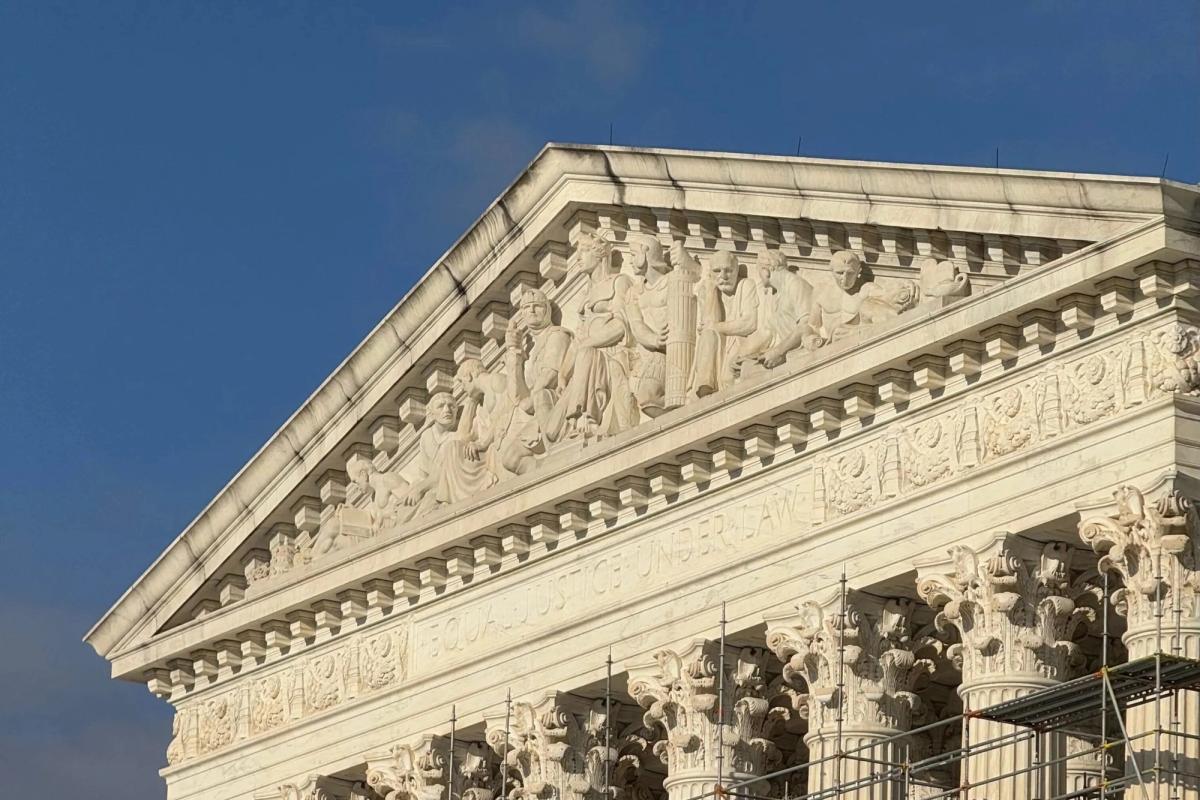
# Supreme Court Issues Two Interim Docket Decisions on Friday
The Supreme Court of the United States released two interim docket decisions on Friday, according to reporting from SCOTUSblog, the leading independent source for Supreme Court news and analysis. While specific details about these rulings remain limited, the decisions mark routine procedural movement within the Court's docket management process.
Interim docket decisions typically address preliminary matters rather than final rulings on the merits. These orders handle requests for emergency relief, stay petitions, jurisdictional questions, and other matters that fall outside the scope of full briefing and oral argument. The Supreme Court issues such orders regularly throughout its term, often without extensive written explanation.
The timing of these decisions comes as the Court manages its 2024 term docket. The Supreme Court typically receives thousands of petitions for review each year but accepts only a small fraction for full consideration. The vast majority of petitions are disposed of through orders that either grant, deny, or vacate and remand the case, often coupled with interim relief decisions.
Interim docket orders serve several functions within the Court's broader docket management. They allow the justices to address time-sensitive matters before the full merits briefing schedule completes. They also allow the Court to maintain the status quo in ongoing litigation while the justices determine whether to accept a case for full review or how to proceed with cases already under advisement.
Friday's decisions fit within a larger pattern of Supreme Court activity during the conference season. The justices hold regular conferences to discuss pending petitions, vote on whether to grant or deny cert petitions, and consider other administrative matters. Between conferences, the Court issues orders disposing of petitions and addressing interim matters.
The Supreme Court's docket system operates under strict rules governing filing deadlines, briefing schedules, and oral argument procedures. Rule 33 of the Supreme Court Rules establishes the petition process. Rule 10 outlines the Court's discretionary jurisdiction and the factors justices consider when deciding whether to grant review. Rules addressing emergency relief and interim orders appear in Rules 18 through 22.
Understanding these procedural mechanisms matters for parties with cases pending before the Court. Practitioners monitor the Court's docket decisions carefully to assess whether the justices are likely to grant review of a particular petition. Interim orders sometimes signal the Court's thinking about jurisdictional or substantive questions before formal opinions issue.
The two Friday decisions represent the type of administrative work the Court handles continuously throughout its term. While not every interim decision receives media attention, these orders shape how cases proceed through the federal judiciary. Some interim orders preserve status quo pending full review; others dismiss cases on jurisdictional grounds or redirect parties to other courts.
SCOTUSblog and other specialized legal news sources track these decisions for attorneys, law professors, and others monitoring Supreme Court activity. The Court's website also publishes these orders in the Court's orders list, typically grouped by conference date and decision date. Legal databases including Google Scholar, Justia, and official Supreme Court archives preserve the complete record of these decisions.