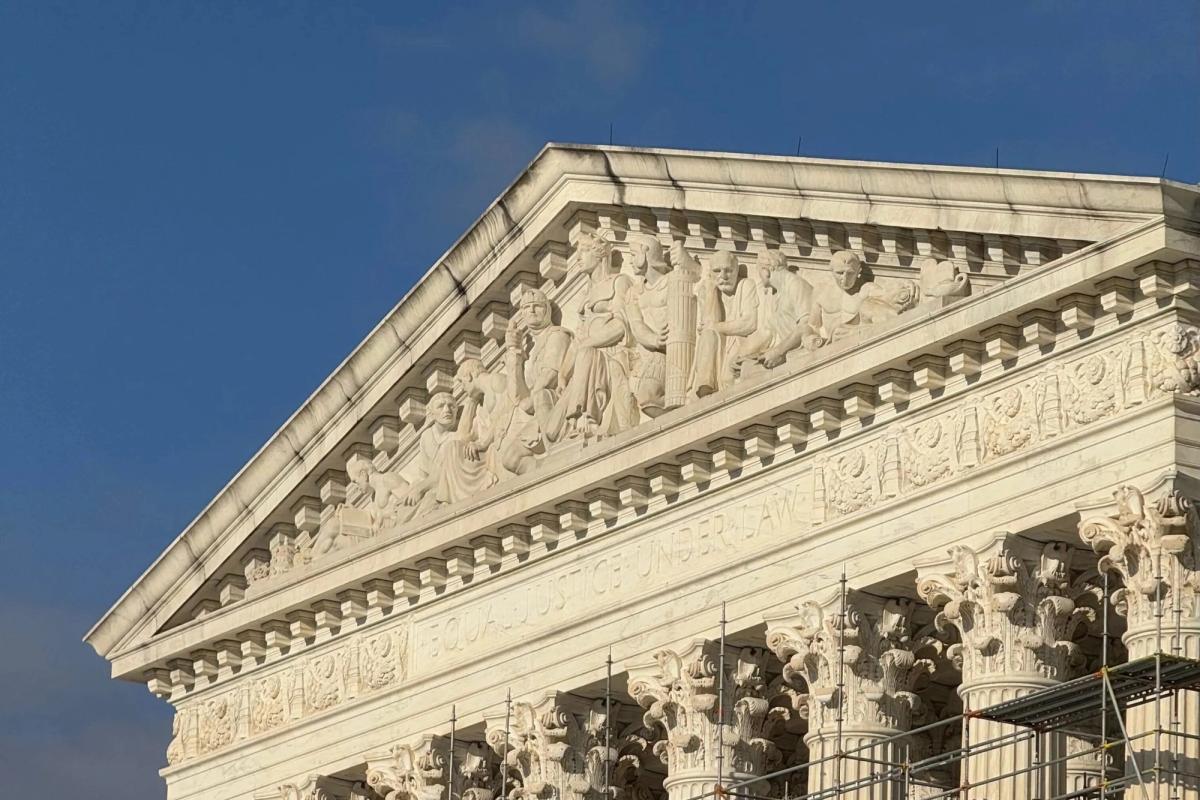
The Supreme Court accepted two cases that will shape American law across education and criminal justice. The Court granted certiorari in disputes involving affirmative action in university admissions and the constitutionality of federal prohibitions on home alcohol distillation.
The affirmative action case challenges race-conscious admissions policies at selective universities. Plaintiffs argue that considering race violates Title VI of the Civil Rights Act of 1964 and the Equal Protection Clause of the Fourteenth Amendment. The case will force the Court to reconsider decades of precedent permitting universities to weigh applicant race as one factor among many in holistic review processes. Conservative justices have signaled skepticism toward such programs in recent years. A ruling against affirmative action would eliminate a primary mechanism universities use to maintain racial diversity in their student bodies. The decision affects millions of prospective students and fundamentally alters how elite institutions build incoming classes.
The second case examines whether Congress exceeded its authority under the Commerce Clause by banning home distillation of spirits. Federal law permits home beer and wine production for personal consumption but criminalizes distilling hard liquor at home. A lower court previously upheld this distinction. The petitioner argues the ban overreaches federal power because home distillation for personal use does not substantially affect interstate commerce. This case will test the outer boundaries of Commerce Clause doctrine at a moment when the Court majority has shown willingness to police federal regulatory authority. A decision striking down the distillation ban would represent a significant limitation on federal power and could have broader implications for other commerce-based statutes.
Both cases reflect the current ideological composition of the Court. The six-justice conservative majority has demonstrated appetite for reconsidering established precedent. The affirmative action case directly challenges the reasoning of Gratz v. Bollinger and Fisher v. University of Texas, decisions permitting race-conscious admissions. The distillation case appeals to originalist and textualist interpretations of enumerated federal powers.
Oral arguments will occur during the 2022 term. Decisions typically issue by June. Universities, civil rights organizations, and education advocates have mobilized to participate through amicus curiae briefs in the admissions case. Alcohol industry groups and federalism scholars will weigh in on the distillation dispute.
The admissions decision carries more immediate societal consequences. Universities have begun preparing contingency plans should the Court prohibit race-based admissions. Some institutions are exploring socioeconomic status as an alternative factor. Others are considering place-based preferences. The ruling will reshape competition among applicants and alter institutional diversity strategies across higher education.
The distillation case, while narrower in scope, signals the Court's renewed skepticism toward federal regulatory power. Combined with recent Commerce Clause decisions, the ruling could invite additional constitutional challenges to federal statutes. Congress may face pressure to revise legislation or provide stronger evidence of commercial effects.
Both cases will be decided by the same bench that overturned Roe v. Wade and expanded Second Amendment rights. The outcomes remain uncertain, but the Court's recent trajectory suggests substantive changes to established law.