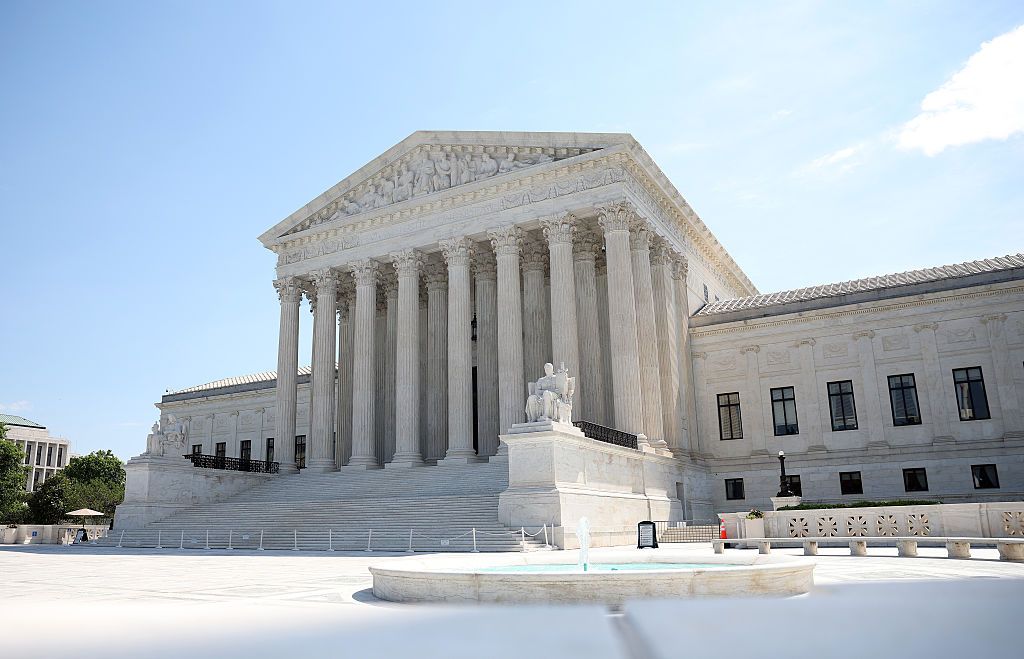
# Supreme Court Faces Critical Preliminary Motion in Major Case
The Supreme Court confronts a threshold question that may determine whether justices ever reach the merits of a pending dispute. This preliminary ruling, often overshadowed in legal coverage, carries enormous practical weight for the parties and potentially for American law itself.
Threshold motions precede substantive rulings on the core legal question. They address jurisdictional questions, standing requirements, mootness, ripeness, and other doctrinal gates that courts must pass before hearing arguments on the underlying claim. When the Supreme Court denies a preliminary motion, it often ends the case without reaching the merits. When it grants one, it clears the path for full briefing and oral argument.
The current situation exemplifies why these "decisions before the decision" matter in Supreme Court practice. A litigant has filed a motion raising one or more threshold issues that could dispose of the case entirely. The justices must now weigh whether the case presents a live controversy, whether the plaintiff possesses standing to sue, whether the issue remains ripe for adjudication, or whether intervening events have rendered the dispute moot.
Standing doctrine governs who may bring suit in federal court. The plaintiff must demonstrate a concrete injury-in-fact, a causal connection between the defendant's conduct and that injury, and a likelihood that judicial relief will redress the harm. Jurisdictional questions determine whether the Supreme Court possesses authority to hear the case at all. Mootness doctrine asks whether a case presents an ongoing dispute or whether events have eliminated the plaintiff's practical stake in the outcome.
The Supreme Court takes such questions seriously. In recent years, the justices have dismissed several high-profile cases as moot when circumstances changed during the appellate process. In others, the Court has ruled that plaintiffs lacked standing to bring their claims, avoiding substantive resolution while still affecting outcomes for the parties and broader public policy.
The resolution of this preliminary motion will shape expectations about what the Court intends to do. If the justices dispose of the case on threshold grounds, they avoid the substantive legal question entirely. If they deny the preliminary motion and proceed to the merits, the Court signals that the dispute warrants full attention from the bench.
For the litigants involved, the stakes run high. Victory on a preliminary motion means avoiding months of briefing and argument. Defeat means the case moves forward to oral arguments and eventual decision on the law itself. For interested parties and advocacy groups watching from the sidelines, the preliminary ruling offers early signals about how the Court views the case's viability.
The Supreme Court's decision on this preliminary matter will arrive in due course. Whether through an order list, a written opinion, or an unsigned memorandum, the justices will communicate their judgment. That ruling, while preliminary in name, may prove decisive in fact.