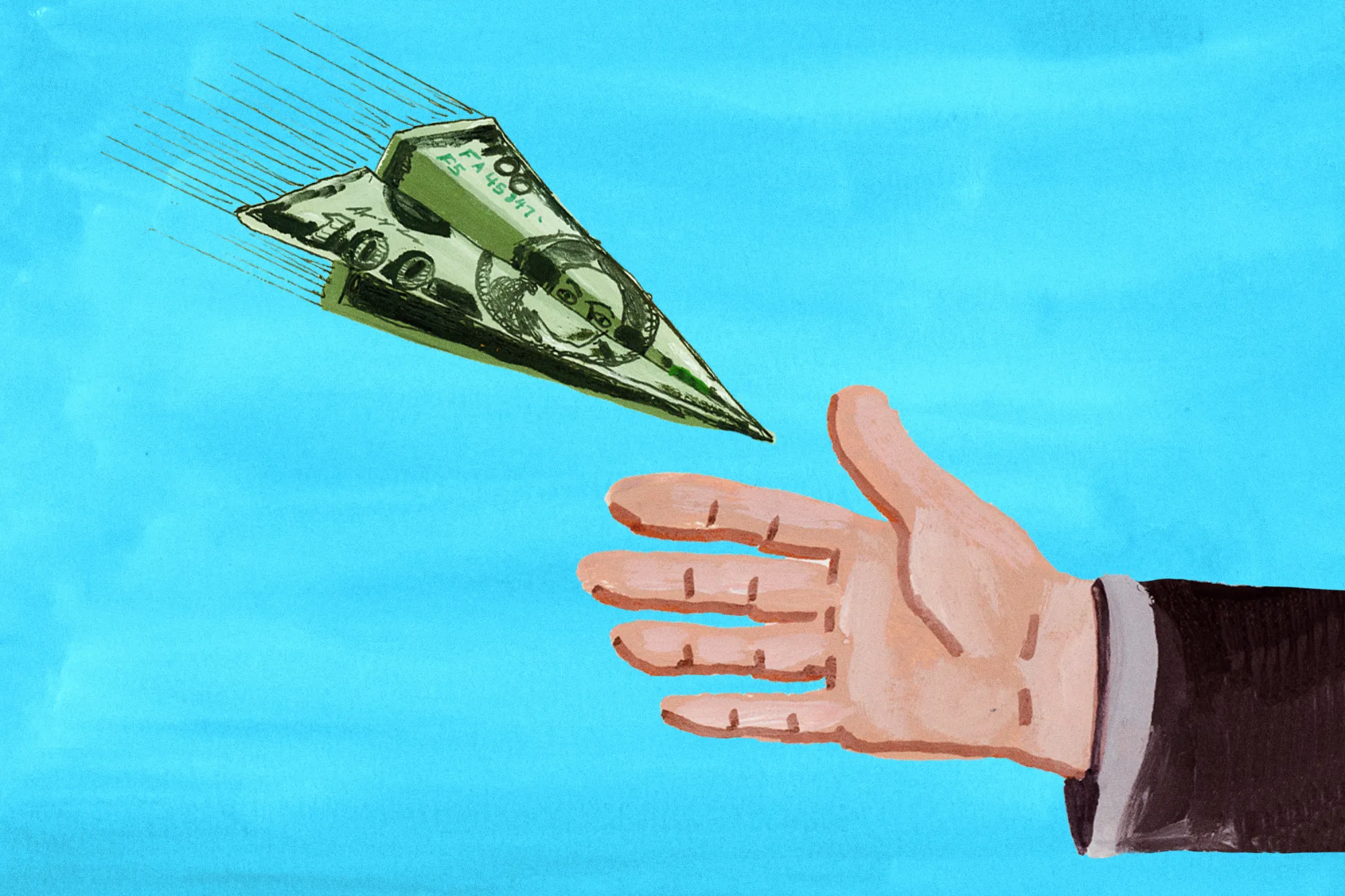
When the Supreme Court overturned President Donald Trump's 'emergency' tariffs in February 2026, it set in motion a massive redistribution of wealth—roughly $170 billion flowing back to importers. Yet the Trump administration has refused to publicly disclose which companies are receiving these refunds or how much each has requested. This opacity is precisely the kind of government secrecy that breeds public distrust. When U.S. Customs and Border Protection denied ProPublica's straightforward requests for this information, it revealed a troubling unwillingness to account for the disposition of taxpayer-funded refunds.
ProPublica's resourcefulness in analyzing financial disclosures of publicly traded companies has exposed what the government tried to hide: 343 public companies have disclosed more than $28 billion in recovered or expected refunds from tariffs imposed under the International Emergency Economic Powers Act. Companies like Stanley Black & Decker, the owners of TJ Maxx and Marshalls, and Titleist have all benefited substantially. This database represents vindication for investigative journalism, but it also highlights a disturbing pattern that demands urgent action.
Most troubling is what at least nine companies plan to do with their windfalls. Rather than returning money to the cash-strapped consumers who bore the actual burden of these tariffs through higher prices, they are using refunds to pay bonuses. This reveals a fundamental injustice in how tariff refunds are structured: only importers or their authorized custom brokers can submit refund requests, meaning that even when tariff costs were passed to consumers through elevated prices, the government returns money exclusively to corporations. The companies then decide unilaterally how to distribute—or hoard—these funds.
There are exceptions worth noting. UPS and FedEx are itemizing tariff costs and reimbursing customers through online portals. Some business-to-business vendors are splitting refunds with their customers, likely because detailed contracts specify tariff costs. Yet these remain outliers. Many other firms have offered only vague commitments to 'return tariff refunds through pricing' without specifying whether this means actual price cuts or merely limiting future increases.
The government's refusal to voluntarily disclose tariff refund recipients is indefensible. Congress should demand transparency by requiring U.S. Customs and Border Protection to publish comprehensive data on all refund recipients and amounts. Simultaneously, regulators should examine whether companies using refunds for bonuses while consumers absorbed tariff costs have breached any consumer protection statutes. Until the full $170 billion is accounted for publicly, taxpayers have every right to suspect that corporate interests are being served while ordinary Americans are forgotten.