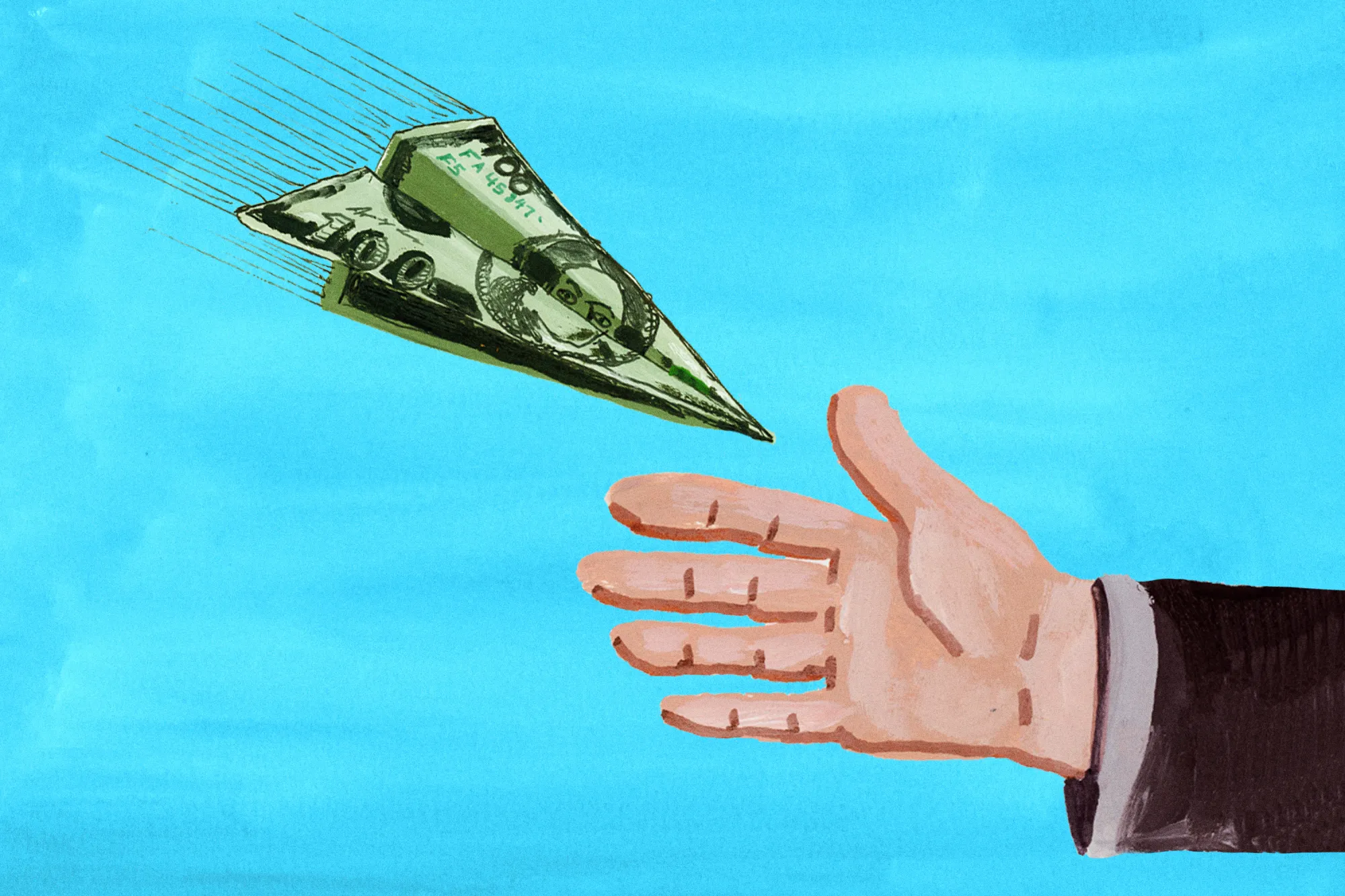
The Supreme Court ruled on February 20, 2026, that the International Emergency Economic Powers Act does not authorize the president to impose tariffs. The U.S. Court of International Trade ordered U.S. Customs and Border Protection to refund duties it had collected under President Donald Trump's emergency tariff program.
The government is processing roughly $170 billion in refunds to importers, but the Trump administration has not publicly disclosed which companies are receiving the money or the amounts they requested. U.S. Customs and Border Protection denied ProPublica's requests for this information. ProPublica is appealing.
ProPublica analyzed financial disclosures from thousands of publicly traded companies to identify refund recipients. The newsroom published a database called "Cash Back" containing 343 public companies that disclosed tariff refunds totaling more than $28 billion recovered or expected. Data collection ended October 7, 2026.
At least nine companies disclosed they are using refunds to provide bonuses rather than refunding consumers who bore tariff costs through higher prices. These companies include Stanley Black & Decker, TJ Maxx and Marshalls owners, and Titleist. Many other firms disclosed little about their refund spending plans.
Only importers or authorized customs brokers who filed tariff entries can request refunds. Even if companies passed tariff costs to customers through higher prices, refunds go to the importer, which determines how to use the money.
Some companies are returning refunds to customers. UPS and FedEx set up online portals for customers to track reimbursements. Other companies plan to split refunds with customers or return money through pricing adjustments, though most did not specify whether this means price cuts or limited future increases.
ProPublica examined only publicly traded companies required to disclose financial information. How private companies use their refunds remains unclear because they lack disclosure requirements.