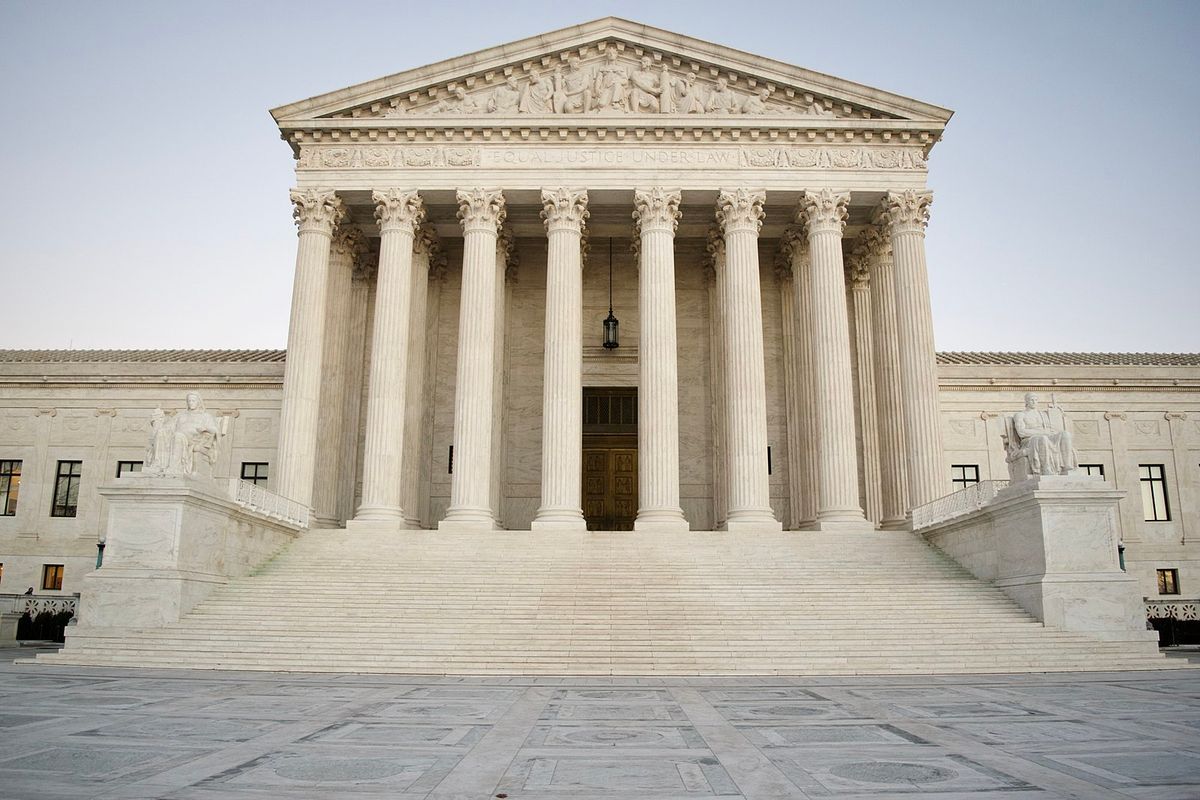
The Supreme Court receives nearly 4,000 petitions for certiorari each term and grants review to about 60. Under a 100-year-old tradition, four of the nine justices must vote to hear a case for review to be granted. The vote totals and reasons for denials remain secret.
For seven of the nine justices, a single law clerk initially reviews petitions and writes a memo shared with justices who participate in a "pool" for reviewing cases. Justices Samuel Alito and Neil Gorsuch have their clerks handle petitions separately. Little is publicly known about how clerks prepare their memos, what factors influence their recommendations, or how much weight justices give to their advice.
The court's Rule 10 states it looks for petitions presenting conflicts between lower courts on important federal law questions, or important questions absent such conflicts. These factors alone do not guarantee a petition will be granted.
The number of cases the court decides on the merits has declined significantly. During Chief Justice Warren Burger's tenure in the 1980s, the justices decided around 150 cases each term. The current number is closer to 60, the lowest level in many decades.
The rise of the interim docket, where parties request relief blocking lower court orders while cases are being litigated, has consumed more of the court's time. The Justice Department under President Donald Trump used this path often. Some argue this leaves less time for merits-based cases, though the decline in certiorari grants began well before the interim docket's uptick.
Court observers have offered different theories for the decline: Congress passes fewer laws requiring judicial review, conservative justices and lower court judges agree more often, or justices simply prefer fewer cases. These theories remain unproven, and the justices provide no explanation.