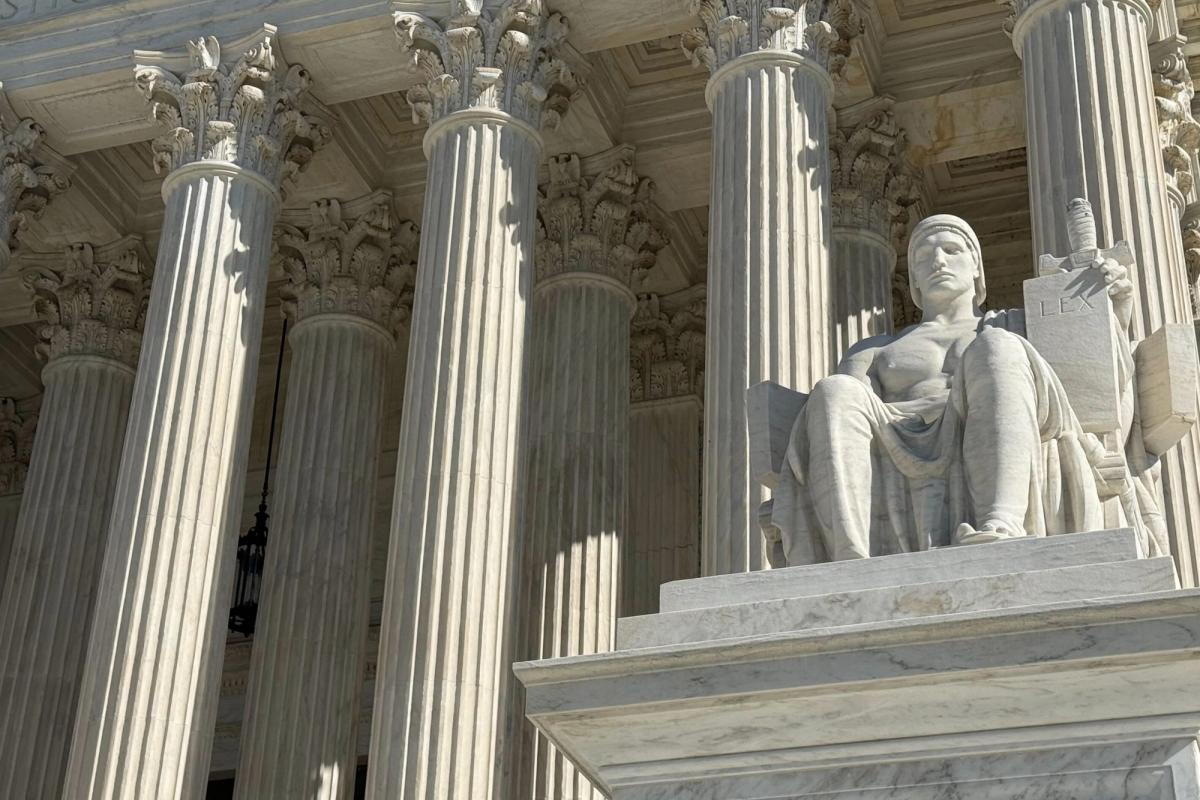
The Supreme Court denied review on Monday in over 200 cases, including three petitions with distinct legal issues.
Businesses located at the intersection in Minneapolis where George Floyd was killed sought Supreme Court review of their takings clause claims against the city. The city placed concrete barricades at the intersection for over one year following Floyd's death in 2020 and withdrew police protection. The businesses alleged these actions violated the Constitution's takings clause and Minnesota's constitutional protections by interfering with their operations without compensation. A district court, the Minnesota Court of Appeals, and the Minnesota Supreme Court all rejected the businesses' claims. The Supreme Court declined review without comment.
Roberto Clemente's adult sons and associated companies challenged Puerto Rico's use of the baseball legend's image on license plates and tags. The initiative generated 15 million dollars for Puerto Rico. The Clementes sought to block future use of their father's image and recover damages, framing their claim under the takings clause. The U.S. Court of Appeals for the 1st Circuit prevented the takings claim from proceeding, holding that the takings clause is "designed not to protect legacies but instead to remedy ... the taking of property for public use without just compensation." The Supreme Court denied review after considering the petition at three consecutive conferences.
Actor Randy Quaid and his wife Evgenia Quaid petitioned for review of a privacy dispute. They contended that a Santa Barbara Sheriff's Department employee sent them restricted law-enforcement database material without a subpoena, discovery request, court order, or law-enforcement purpose. The material reached a private attorney. The U.S. Court of Appeals for the 9th Circuit held that the Quaids' privacy claims were barred by the litigation privilege, which prevents lawsuits over communication occurring as part of a judicial proceeding. The Supreme Court declined review.
The Court also requested views from the United States solicitor general on AstraZeneca UK Ltd. v. Atchley, which concerns whether terrorism victims may sue 21 pharmaceutical and medical-device companies under the Antiterrorism Act. The Court remanded Roybal v. Griffith, a challenge to Colorado jail policies affecting transgender inmates, for reconsideration in light of recent transgender-related decisions.