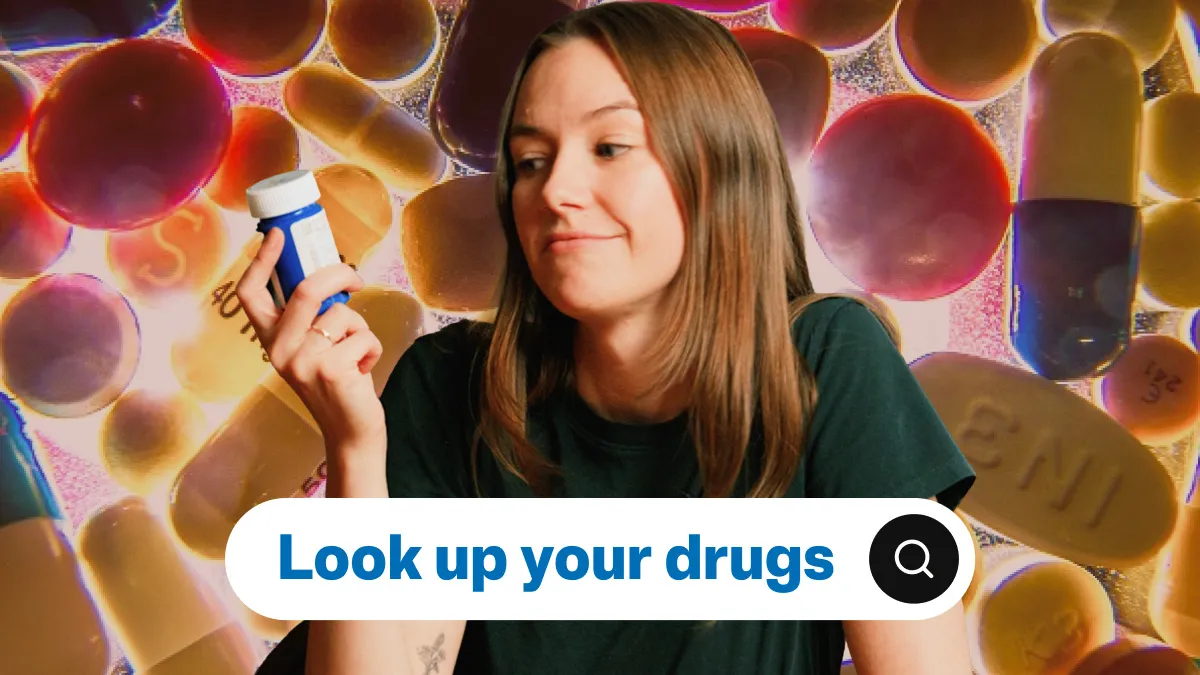
ProPublica conducted a 14-month investigation into the manufacture of generic drugs in the United States and how the Food and Drug Administration regulates the industry. Reporters Debbie Cenziper and Megan Rose interviewed current and former factory inspectors, tested medications in a lab, and sued the federal government for documents.
The investigation found that the vast majority of prescriptions filled in the United States are for generic drugs. India produces about half of all generics used in the U.S., but pill bottle labels often do not list where a drug is manufactured. Inspection reports describe unsafe manufacturing conditions at generic drug factories, but the FDA redacts the names of medications made in those factories. This means consumers have no way of knowing if drugs made in facilities with reported problems are in their medicine cabinets.
In response to ProPublica, an FDA spokesperson said that exemptions given to banned factories are "thoroughly evaluated through a multi-disciplinary approach" but declined to specify what those evaluations entail. The agency said it requires manufacturers to conduct additional quality checks with third-party oversight before sending drugs to the U.S. The FDA did not respond to questions about how it can verify that generics are safe without a more robust testing program.
Drug companies told ProPublica that they take patient safety seriously, adhere to quality standards, and are committed to working with the FDA on regulatory issues.
ProPublica's investigation was a finalist for the Pulitzer Prize for investigative reporting and published in 2025. The newsroom created a tool called Rx Inspector that allows users to search for the facility that manufactured their generic drugs and view any FDA inspection reports, warning letters, and import bans. The FDA did not comment on Rx Inspector. The agency previously told ProPublica that it does not reveal where drugs are made on inspection reports to protect what it considers confidential commercial information.