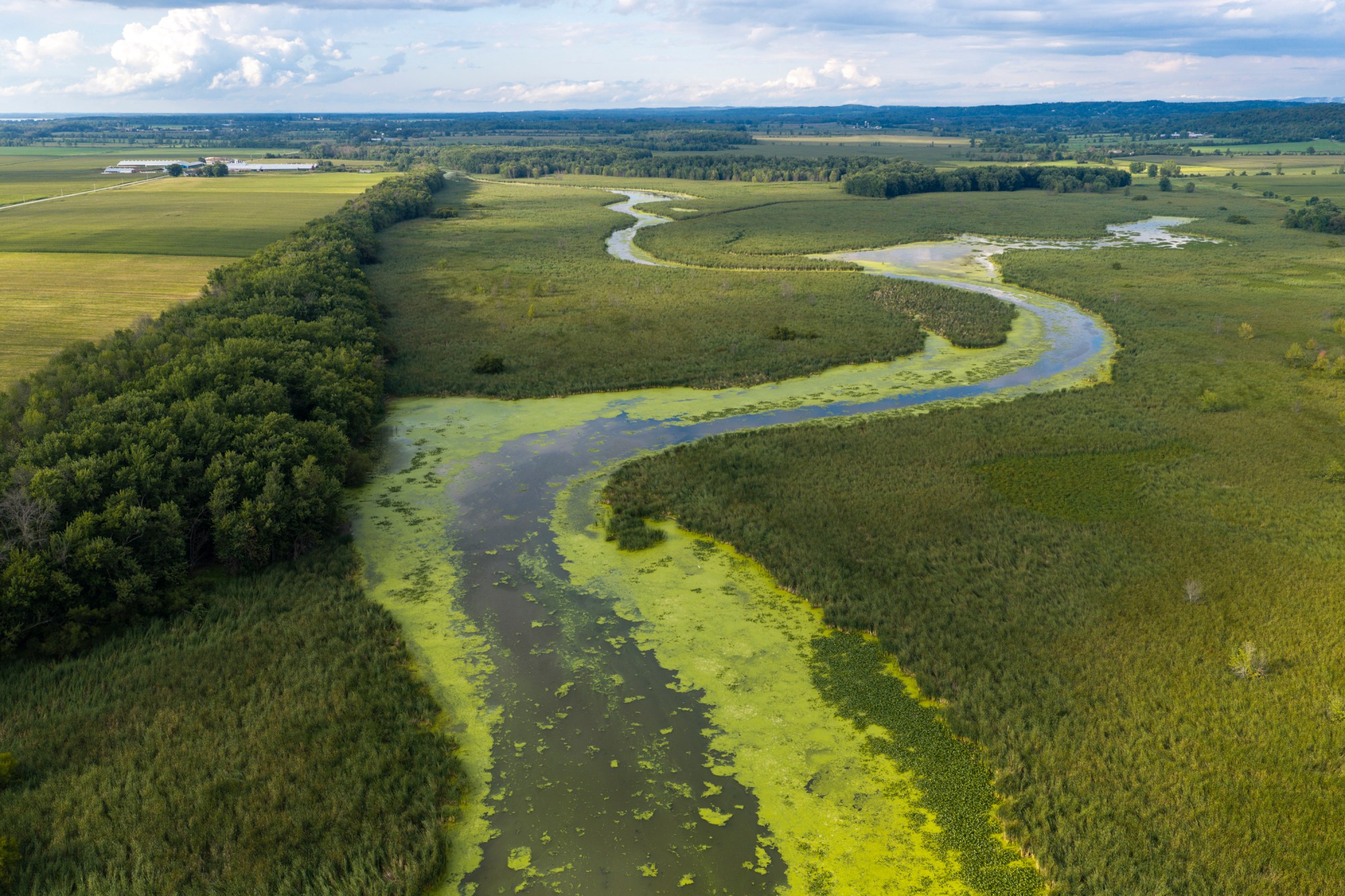
Vermont's Clean Water Board has failed to complete a mandated independent audit of the state's nearly billion-dollar Lake Champlain cleanup effort, nearly a decade after lawmakers first required it.
In 2015, Vermont enacted a Clean Water Act establishing a fund and board to address phosphorus pollution in Lake Champlain. The law required the board to submit an audit from an outside environmental consultant by January 2021 to evaluate whether water quality projects were working and whether state agencies were adequately enforcing regulations on farms, the largest source of phosphorus runoff.
The board issued a request for proposals in 2020 but received no responses. When the deadline was extended to 2023, again no firms bid on the project. Douglas Farnham, the board's chair, said firms indicated the audit's scope was too broad and complex. The board never issued a new request or revisited the matter until ProPublica and Seven Days inquired.
Since 2016, Vermont has spent $928 million on water quality projects and programs, with $755 million from state funding and $173 million from local and federal sources. That represents spending comparable to Vermont's highway resurfacing budget over the same period.
A 2019 state auditor's report found that spending was misaligned with pollution sources. Agriculture generates the largest share of phosphorus runoff but receives less than one-third of total clean water funding, while wastewater treatment plants, which contribute far smaller amounts of phosphorus, received disproportionate spending.
State Auditor Doug Hoffer said the absence of an independent audit "really raises questions about accountability on both sides." He stated that "the only way to know that is to hire someone who is independent to study that."
Farnham argued the board has adequate oversight through yearly performance reports from the Vermont Department of Environmental Conservation. Critics including former water finance director Tee Thomas countered that performance reports rely on models of project effectiveness, while an audit would analyze actual water quality monitoring data to verify those estimates.
State Sen. Anne Watson said she would likely discuss reviving the audit with colleagues in the next legislative session beginning in January.