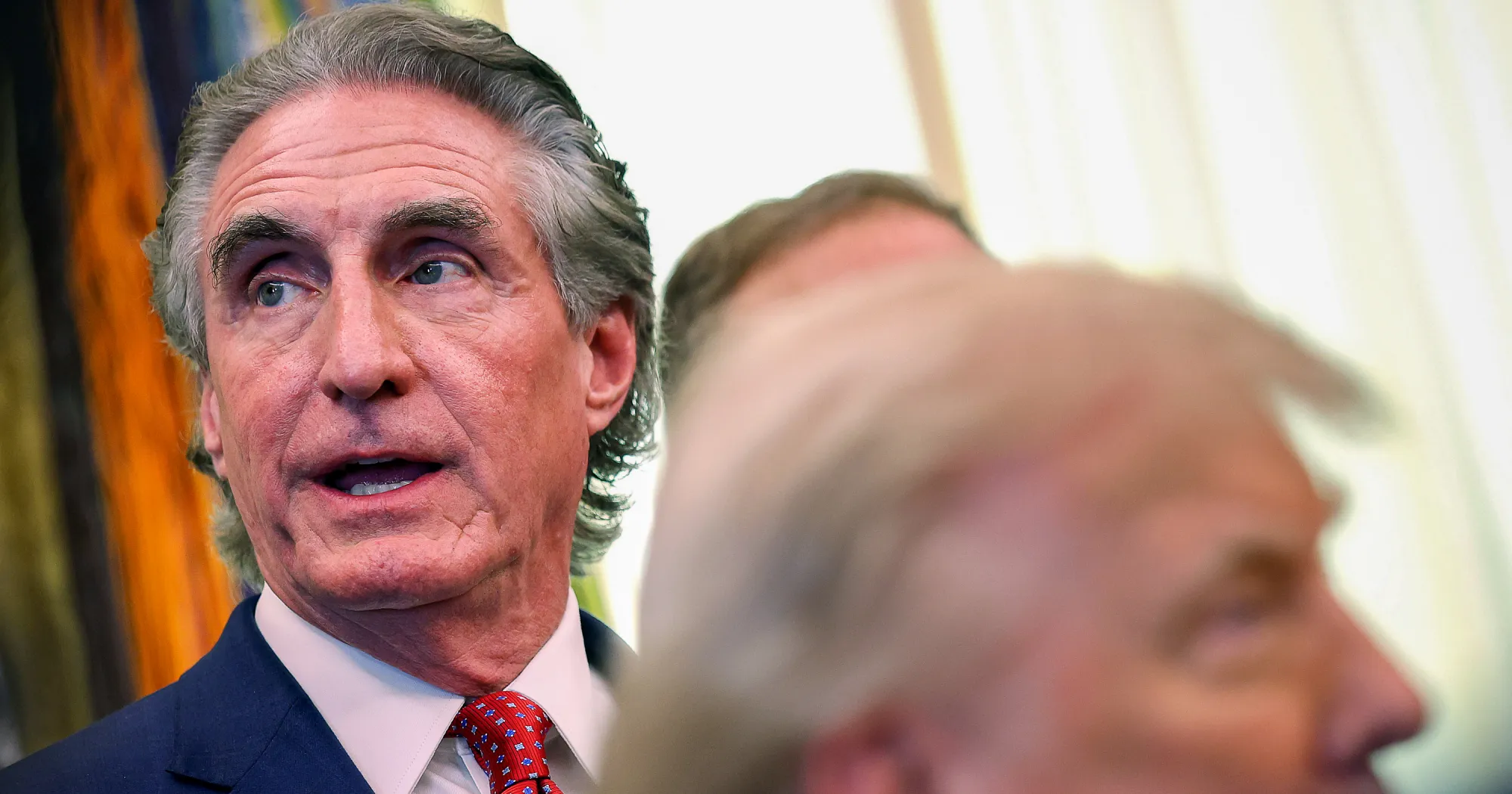
Interior Secretary Doug Burgum's financial stake in the artificial intelligence industry creates an untenable conflict of interest that demands immediate recusal from all decisions regarding data centers on federal lands. According to his 2026 financial disclosure form, Burgum holds between $18.1 million and $64.4 million in AI company investments through Arthur Ventures, the investment firm he co-founded. In 2025 alone, he generated between $2.5 million and $15.1 million in capital gains from selling AI-related stocks and equity. These are not theoretical financial interests—they are substantial, active holdings that will directly benefit from the very policies he is championing.
The legal argument offered by the Trump administration—that Burgum has 'met his federal ethics and financial disclosure obligations'—misses the forest for the trees. While ethics professors and lawyers told ProPublica that Burgum's investments may clear the high criminal burden of proof required by federal statute, that legal threshold is not the appropriate measure of ethical conduct. Cynthia Brown of Citizens for Responsibility and Ethics in Washington correctly identified the governing principle: officials must avoid working on matters that create 'the appearance of a conflict of interest.' Burgum's role as the administration's point person on AI infrastructure while holding tens of millions in AI investments is precisely this scenario.
Richard Painter, President George W. Bush's chief ethics lawyer, was unequivocal: 'I, as the ethics lawyer, would insist he stay away from it.' He stated that in the Bush administration, Burgum 'has to recuse.' This represents not partisan grievance but seasoned ethics judgment from a Republican administration. The contrast is stark: President Joe Biden's Interior Secretary Deb Haaland held no direct financial investments in regulated companies; President Barack Obama's Sally Jewell divested oil and gas holdings as a condition of confirmation. Even during Trump's first term, David Bernhardt reportedly carried a card listing his conflicts and recused himself when they clearly applied.
The scale of Burgum's engagement with AI industry leaders—more than 20 meetings with representatives from Amazon, Microsoft, and Alphabet between January and November 2025—compounds the problem. A June 2025 dinner with United Arab Emirates AI lead Sultan Ahmed Al Jaber and AI investor Amos Hochstein at Cafe Milano in Georgetown, followed months later by a memorandum of understanding pledging U.S.-Emirati AI cooperation, demonstrates how intertwined his policy role has become with industry relationships.
The administration's offer of at least 91.3 million acres of Interior Department-managed public lands for data center development—an area comparable to Montana—represents an extraordinary transfer of public resources. When those decisions flow through an official with Burgum's financial interests, the public has valid reason to question the decision-making process. Burgum should immediately recuse himself from all data center siting decisions and cede this authority to officials without financial stakes in AI. Anything less undermines public trust in federal land stewardship.