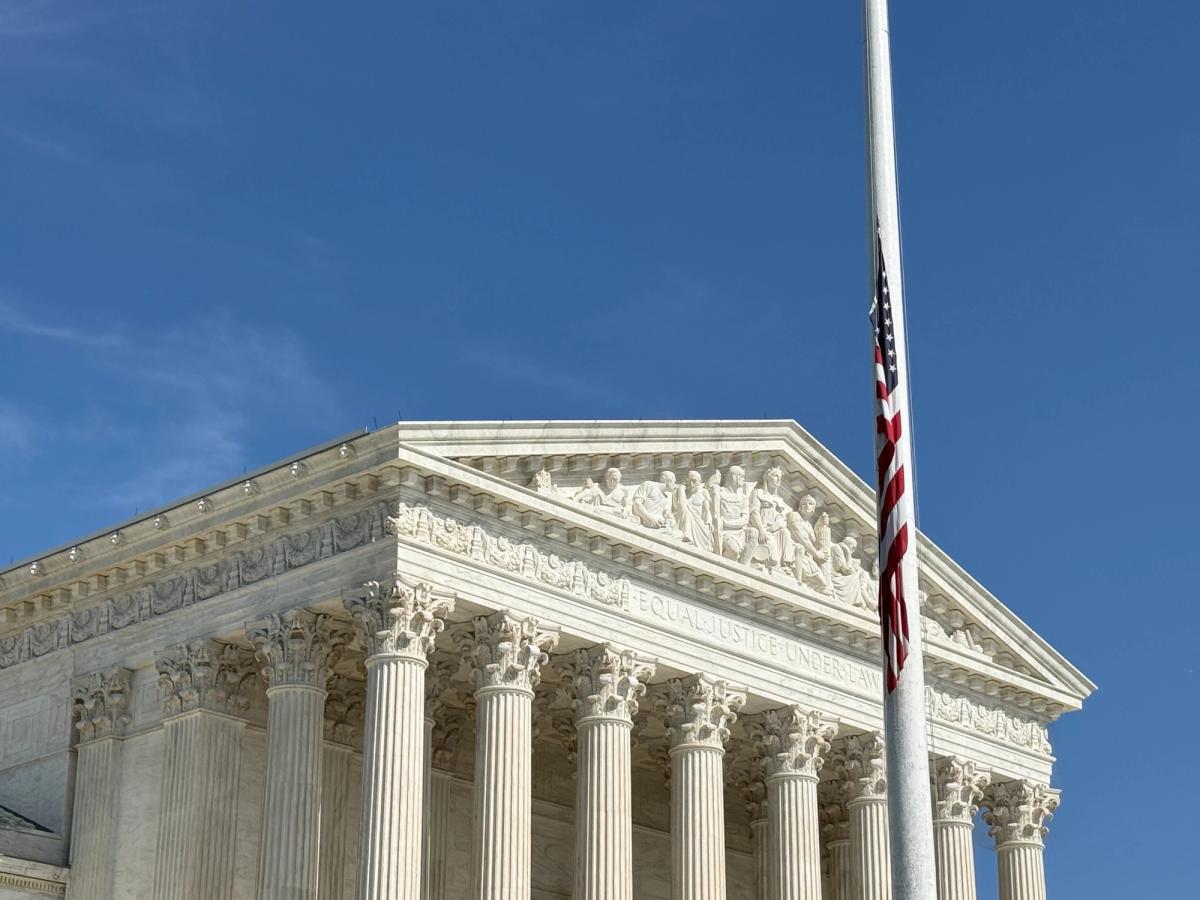
When the Department of Labor seeks to impose ruinous fines on Sun Valley Orchards for alleged violations of H-2A visa employment contracts, it is not merely enforcing immigration policy. It is attempting to deprive an American company of property through an administrative judge—a power the Constitution reserves exclusively to Article III courts and juries. The argument heard on Tuesday, Nov. 10 in Department of Labor v. Sun Valley Orchards, LLC will determine whether the government can condition access to immigration programs on the surrender of fundamental constitutional rights.
The government's position, articulated in briefs by Solicitor General D. John Sauer, rests on the public-rights doctrine. Because immigration is a privilege rather than a right, the reasoning goes, disputes arising from immigration programs can be decided by Article II administrative law judges without jury involvement. This logic is dangerously circular. Yes, the government possesses sovereign authority to control immigration under the H-2A program. But that authority cannot become a battering ram to smash through the Seventh Amendment and Article III protections that safeguard all property disputes. Constitutional rights cannot be bartered away as the price of participating in federal regulatory schemes, however beneficial those schemes may be to foreign workers.
The precedents here tell a cautionary tale. In 1977, Atlas Roofing Co. v. Occupational Safety and Health Administration allowed administrative agencies to impose property-depriving penalties without jury trials, fundamentally warping the public-rights doctrine. Justice Byron White reasoned that because OSHA created 'new statutory obligations,' these could be decided by administrative bodies. But this misunderstood constitutional law. Workplace torts adjudicated by OSHA mirror common-law tort actions that would have been 'Cases in Law' under Article III in 1787. The same principle applies here: employment contract disputes are classic common-law cases deserving of jury trials.
Fortunately, SEC v. Jarkesy in 2024 began correcting this trajectory. The Supreme Court held that when federal agencies impose civil penalties amounting to property deprivation, the Seventh Amendment entitles defendants to jury trials. The Court recognized that fraud cases—like the employment disputes in Sun Valley—would have been heard in Article III courts at the Founding. Jarkesy reframes the public-rights doctrine properly: it applies only to privileges like social security or tax rebates, not to the seizure of property through regulatory fines.
Sun Valley presents the moment to finalize what Jarkesy started. The DOL cannot funnel a private-rights dispute into administrative channels merely by labeling it an immigration matter. Sun Valley deserves an Article III forum and a Seventh Amendment jury, not because it opposes protecting immigrant workers, but because constitutional protections exist precisely to prevent government overreach—regardless of how sympathetic the underlying regulatory purpose. The Supreme Court should reject the poisoned public-rights doctrine and restore the Constitution's structural protections for property.