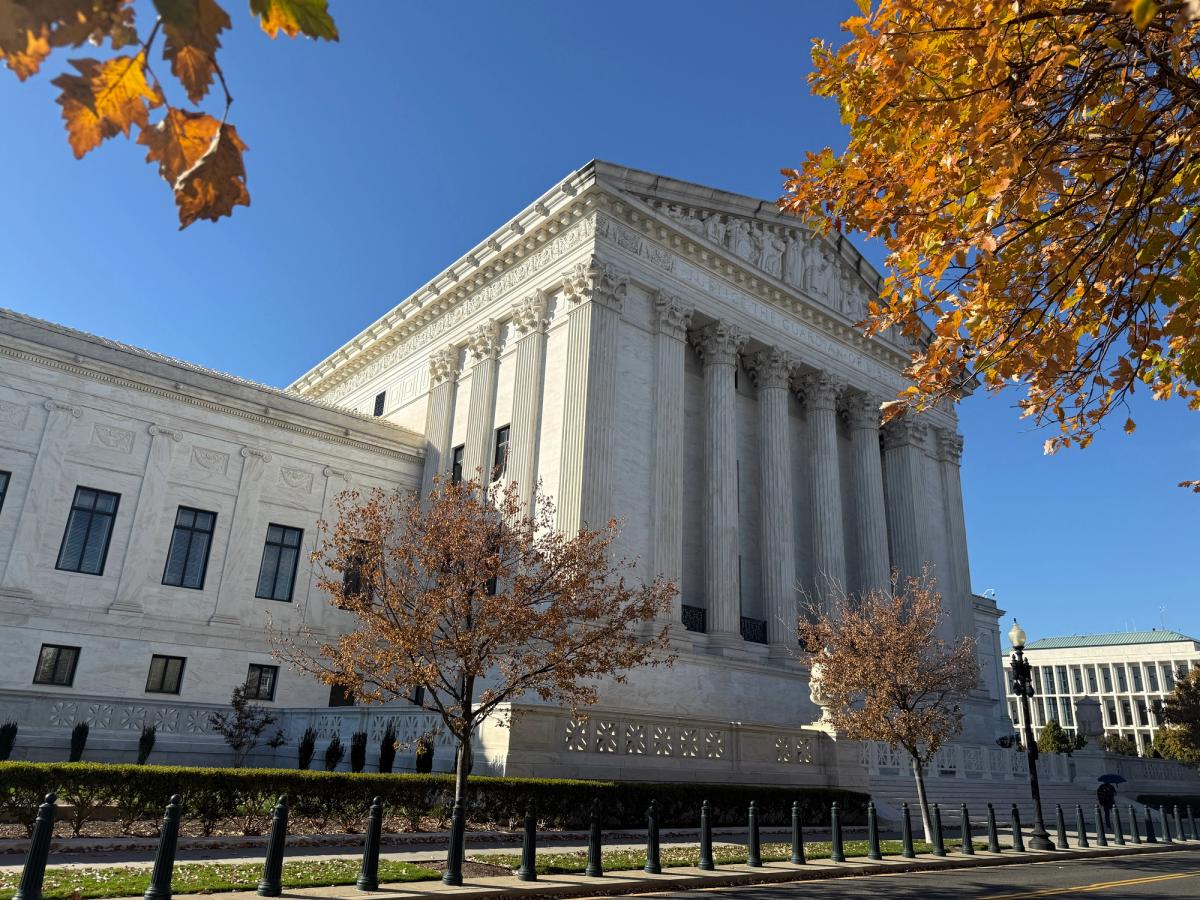
The Supreme Court will hear arguments November 10 in Department of Labor v. Sun Valley Orchards, a case testing how courts should apply a "history-and-tradition" methodology to determine which disputes agencies can resolve internally rather than in Article III courts.
The case involves Sun Valley, a New Jersey farm participating in a federal program that permits employers to hire foreign agricultural workers. The Department of Labor assessed hundreds of thousands of dollars in civil penalties and back wages against Sun Valley for failing to provide required workplace arrangements. Sun Valley challenged the requirement to contest these penalties before an administrative law judge, arguing it violated Article III of the Constitution, which vests federal judicial power in courts. The U.S. Court of Appeals for the 3rd Circuit agreed with Sun Valley.
Both the government and Sun Valley invoke the history-and-tradition test from the 2024 case Securities and Exchange Commission v. Jarkesy. Under that test, agencies may adjudicate "public rights" matters that historically could have been resolved outside Article III courts, such as immigration and benefits claims. Private rights, by contrast, must go to Article III courts, particularly those resembling common-law actions as they existed in 1789.
The parties disagree fundamentally on which tradition applies. The government contends the adjudication involves public rights because it concerns immigration privileges conferred by the government and enforcement of an agreement to participate in a government program. Sun Valley characterizes the dispute as a common-law breach of contract, a private right requiring an Article III tribunal. Sun Valley also argues DOL sought civil penalties, which are common-law remedies traditionally enforceable only in courts of law.
The case illustrates a central problem with applying history-and-tradition analysis: when multiple historical traditions could support a present-day claim, which one should courts select.