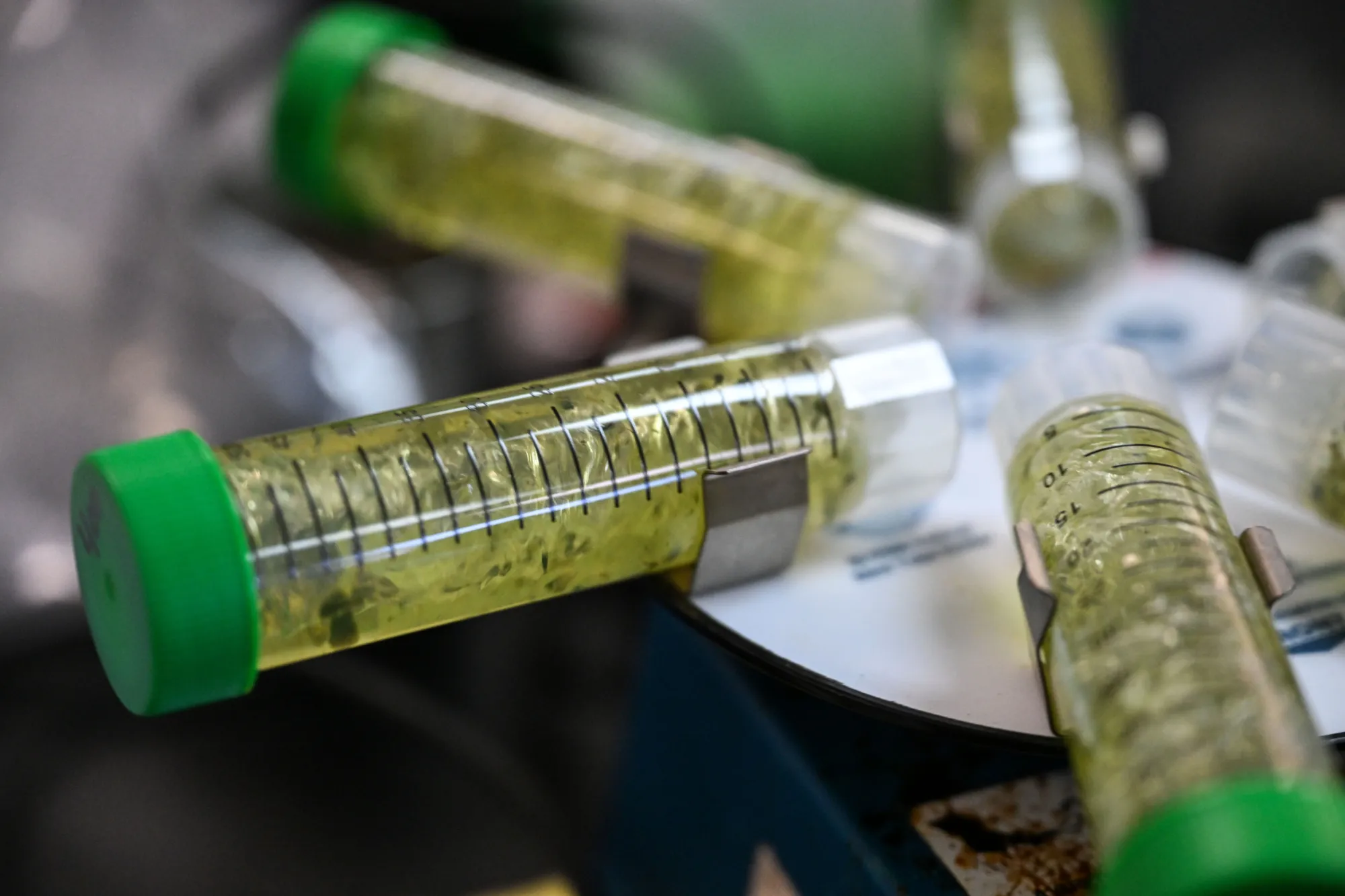
A Colorado state audit released Monday found that the Marijuana Enforcement Division failed to protect consumers from contaminated marijuana products, leaving the legal market vulnerable to unsafe items.
The audit identified systemic gaps in oversight. Nearly 75% of marijuana processed for sale from 2023 through 2025 evaded testing for pesticides. Regulators missed regular inspection schedules and conducted insufficient random checks at dispensaries. The agency allowed contaminated products to remain on shelves for extended periods before issuing public warnings.
In one documented case, a manufacturer continued producing a marijuana sleep aid pill for 15 months despite consumers reporting liver damage. The product contained herbal extracts that researchers say can cause liver damage. Auditors found that unsafe products stayed on the market as long as three years before warnings were issued. From 2023 through 2025, products subject to health and safety advisories remained on shelves for more than seven months on average before warnings. The agency took three and a half months on average in 2025 to issue an advisory after launching a contamination investigation, then another month on average to issue the advisory once it determined one was needed.
The audit stated that loose state rules around testing contributed to the problem. Colorado allows manufacturers to choose their own samples for testing and to collect samples themselves. More than half of states with regulated marijuana markets rely instead on private labs or independent third parties to collect samples.
Auditors said they found no evidence of "widespread health and safety issues" but concluded that deficient regulations still left consumers vulnerable. A survey of MED investigators found that more than half said there are or may be widespread marijuana product safety issues in the regulated market.
The Marijuana Enforcement Division said Monday night that it agreed the audit identified areas for improvement and would assess testing exemptions currently allowed under state laws.