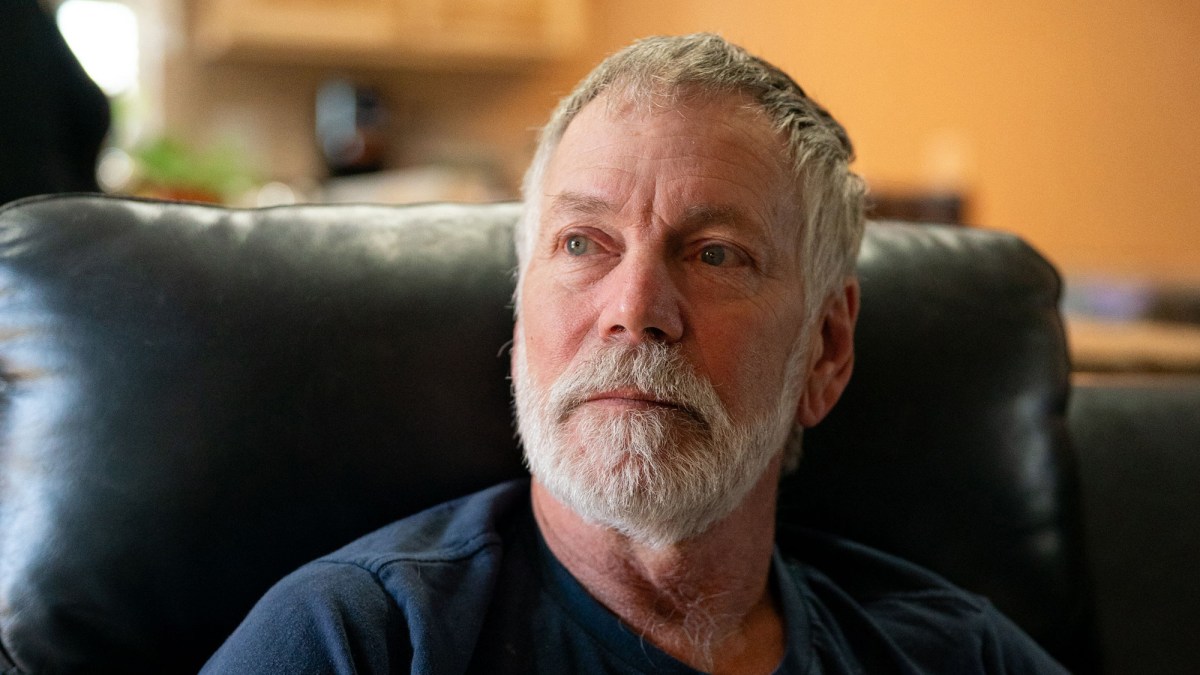
Lonnie Rouse worked nearly 20 years at the Hanford Site, a Department of Energy nuclear weapons production plant in Washington, packaging plutonium and monitoring radioactive waste. He was exposed to at least 48 potentially hazardous chemicals and suffered a neurological disease that caused a stutter, limping, and lost teeth.
In 2018, Washington Governor Jay Inslee signed a law that shifted the burden of proof in workers' compensation claims filed by Hanford employees. The law presumed that certain cancers, neurological diseases, and respiratory illnesses were caused by work at Hanford. The Department of Energy would now have to prove something other than the job caused the worker's illness to deny a claim.
Despite the law, the DOE continues to challenge claims. From 2023 through early 2025, workers filed 102 new claims for benefits. The DOE did not recommend approving a single one. The state, which has final say, approved 75 percent of those claims. The DOE appealed all but seven of those approvals.
About 152 workers' claims remain approved by the state but still under appeal by the DOE. Half of those workers are dead, and the DOE continues to fight to deny their families survivors' benefits.
In appeals filings, the DOE's lawyers have argued that factors other than work at Hanford caused workers' illnesses, including smoking, drinking, obesity, or genetics. In Rouse's case, the DOE blamed alcoholism and family conflicts. Rouse's claim has been under appeal for nearly eight years, with the DOE filing more than 20 appeals contesting different aspects.
The DOE awarded Rouse most of his back pay in 2024, but said he is not touching the money until the legal process concludes. After Cascade PBS and ProPublica raised questions about the DOE's pattern of litigating claims, the Washington State Department of Labor and Industries met twice with DOE staff but took no other actions.
The DOE stated it is following "all applicable local, state, and federal laws" and "has a long and successful record of accomplishment of protecting human health and the environment." The agency did not answer detailed questions or respond to the findings.