# Supreme Court Will Weigh Federal Ban on Home Distilleries
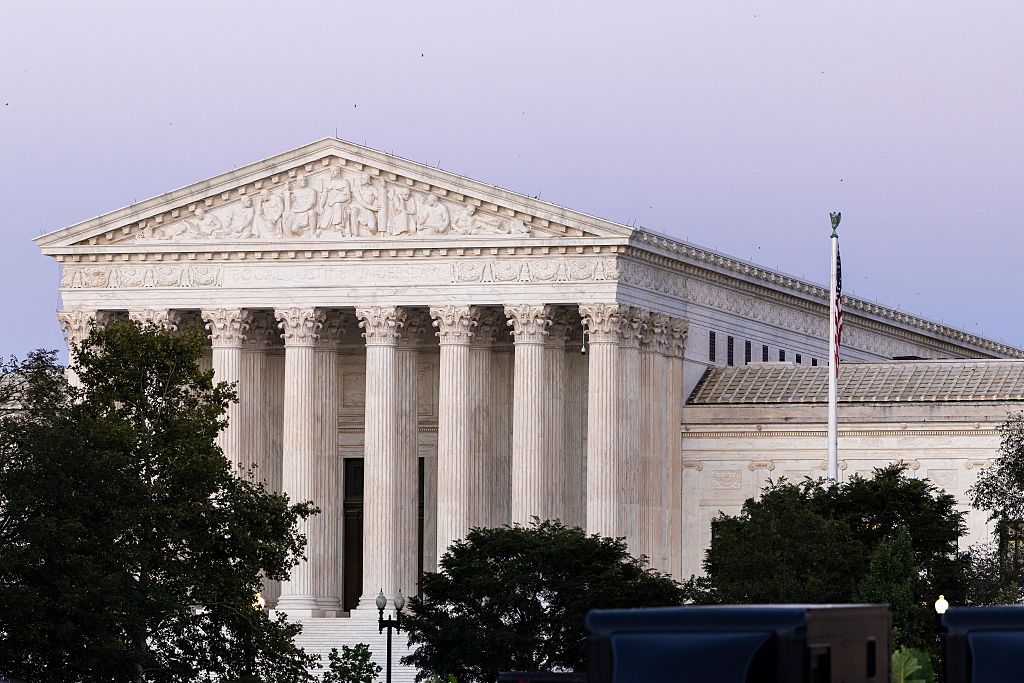
The Supreme Court agreed Monday to hear a case challenging the federal government's prohibition on home distillation of spirits, marking the first time the justices will examine whether Americans have a constitutional right to produce liquor at home for personal consumption.
The petitioner, whose identity remains under seal in court filings, contests 26 U.S.C. Section 5601, the statute that criminalizes home distillation. Federal law permits home beer and wine production under 27 C.F.R. Section 479.34, which allows adults to produce up to 100 gallons per person annually, capped at 200 gallons per household. No such exemption exists for distilled spirits like whiskey, vodka, or rum. Violators face federal criminal penalties including fines and imprisonment.
The split in federal appellate authority created the conditions for Supreme Court review. The U.S. Court of Appeals for the Fourth Circuit upheld the distillation ban in 2020, rejecting a constitutional challenge. The D.C. Circuit took a different approach in a more recent decision, suggesting the restriction might violate the Twenty-first Amendment, which granted states broad regulatory power over alcohol while preserving some individual liberties. This circuit split prompted the Supreme Court's decision to grant certiorari.
The case hinges on how courts interpret the Twenty-first Amendment in light of modern commerce and individual autonomy. The petitioner's attorneys argue that home distillation of spirits deserves the same constitutional protection as home production of beer and wine. They contend the government's distinction between fermented beverages and distilled spirits lacks rational basis. Federal prosecutors counter that distilled spirits pose unique safety and public health risks. Home distillation involves volatile flammable vapors and requires specialized equipment, creating explosion and fire hazards. The government also emphasizes tax collection concerns, noting that federal excise taxes on distilled spirits generate substantial revenue.
The Alcohol and Tobacco Tax and Trade Bureau oversees enforcement. Agents have historically prioritized prosecution of large-scale illicit distilleries rather than individual home producers, but the statutory prohibition remains absolute and carries serious consequences for those prosecuted.
The case arrives amid broader national debate about personal liberty, federalism, and the scope of Twenty-first Amendment rights. Some states have explored narrowing their own distillation bans or permitting home production under state law, though federal law remains the controlling authority. Several advocacy groups focused on individual freedoms have signaled intent to file amicus curiae briefs supporting the petitioner.
The Supreme Court's decision to review the case reflects genuine uncertainty about how constitutional protections apply to home distillation. The justices have not directly addressed alcohol prohibition since the Twenty-first Amendment's ratification in 1933. Legal experts predict oral arguments will explore whether historical tradition supports home distillation rights and whether the government's safety rationale justifies the blanket prohibition.
The Court's ruling will determine whether millions of Americans can legally produce distilled spirits at home without federal criminal liability. A decision favoring the petitioner could force Congress to reconsider the statutory framework or allow states to set their own policies. A government victory would reaffirm broad federal authority over distilled spirits under the Twenty-first Amendment.
The case will likely be decided during the 2024 or 2025 term.