# Morning Docket: October 16, 2026
Three major legal disputes moved through courts this week, each raising distinct challenges for the judiciary and government enforcement.
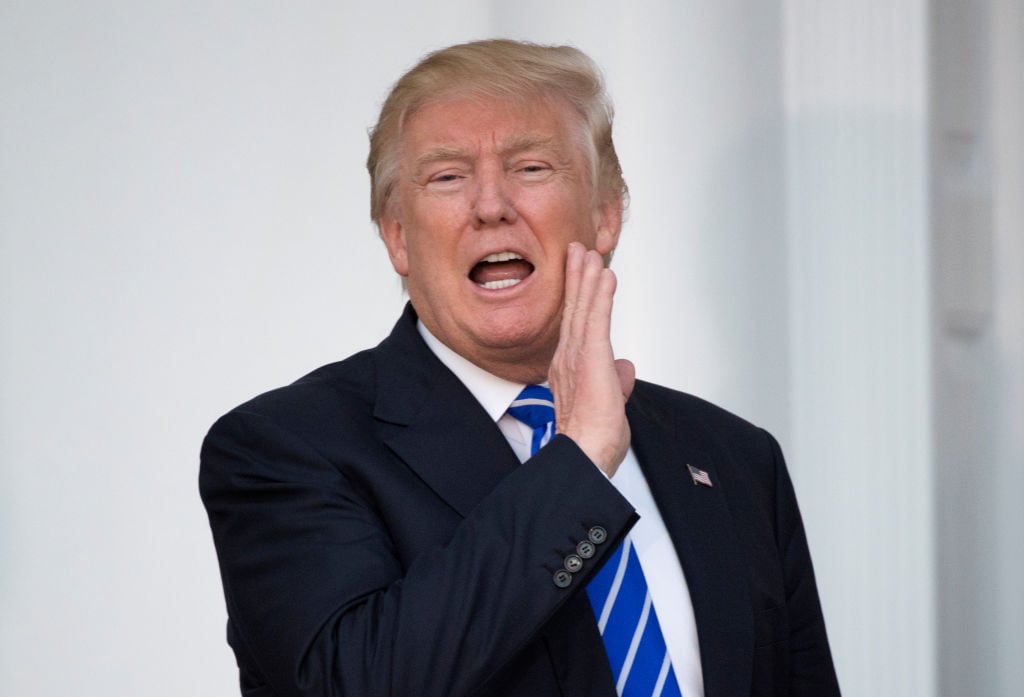
The BBC is pursuing former President Donald Trump in a deposition related to a lawsuit. The news organization seeks testimony from Trump in connection with reporting disputes. The case represents ongoing litigation between media outlets and the former president over various factual claims and journalistic coverage. The BBC's efforts to compel Trump's deposition reflect broader tensions between media organizations and public figures over defamation and accuracy claims. Courts must balance First Amendment protections for news organizations against potential privacy and overreach concerns.
The Department of Justice filed suit against California over the state's voter roll maintenance. The DOJ alleges California failed to comply with federal requirements for removing ineligible voters from registration lists. The lawsuit centers on compliance with the National Voter Registration Act, which mandates that states maintain accurate voter rolls and remove individuals who no longer meet eligibility requirements. California's Secretary of State has defended the state's practices, arguing that the state follows proper procedures. This dispute reflects growing tension between federal voting enforcement actions and state administration of elections. The case tests how courts will interpret federal obligations to oversee state voting systems and whether states have sufficient discretion in voter roll management.
OpenAI and Meta jointly filed court submissions warning the judiciary about deepfake evidence risks in litigation. The technology companies cautioned that artificial intelligence-generated videos and audio recordings pose verification challenges that could contaminate the legal record. Both companies emphasized that deepfakes can be created with increasing sophistication, making them difficult to detect without expert analysis. The companies urged courts to implement stronger authentication protocols for digital evidence and to scrutinize authenticity claims rigorously.
The deepfake warning carries substantial implications for civil and criminal litigation. As AI tools become more accessible, courts face growing demands to evaluate whether video and audio evidence presents genuine recordings or synthetic reproductions. The submissions suggest that parties may introduce deepfake evidence either intentionally or through negligence, potentially undermining case outcomes and judicial integrity. Courts lack standardized procedures for deepfake detection and authentication, creating procedural gaps.
These three matters reflect contemporary litigation challenges. Trump's deposition dispute involves political and media tensions. The voter roll case centers on federal-state power allocation in election administration. The deepfake submissions address emerging technology threats to evidence reliability. Each raises questions about how legal systems adapt to modern circumstances while maintaining procedural fairness and factual accuracy.