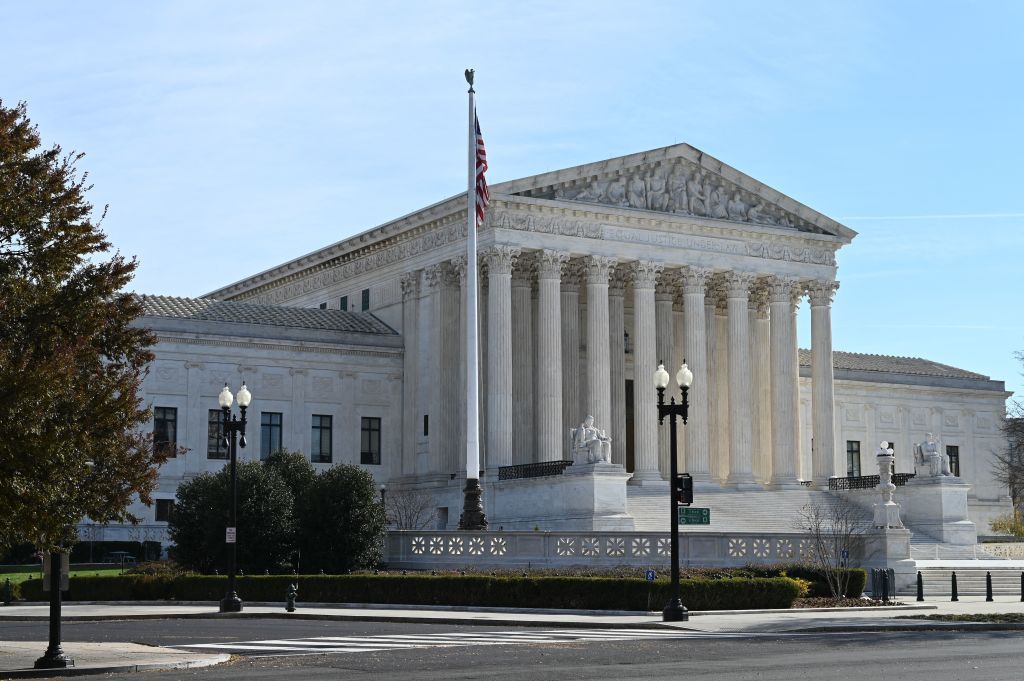
# Federal Court Faces Pressure Over Texas-DOJ Deportation Accord
Challengers have filed motions requesting that a federal court pause an agreement between Texas and the Department of Justice governing the state's role in deportation proceedings. The litigation centers on whether Texas possesses authority to participate in federal immigration enforcement operations and what procedural safeguards must accompany such involvement.
The agreement at issue permits Texas to assume certain responsibilities within deportation proceedings that traditionally fall under exclusive federal jurisdiction. Immigration enforcement has long remained a federal domain, with the DOJ and Department of Homeland Security managing deportations through Immigration and Customs Enforcement (ICE) and other agencies. The Texas accord seeks to expand state participation in these proceedings, a move that opponents argue violates constitutional principles of federal supremacy and creates due process complications.
Challengers contend the agreement lacks necessary legislative authorization and conflicts with existing federal immigration statutes. They argue that allowing states to participate in federal deportation machinery creates inconsistent procedures across jurisdictions and exposes noncitizens to varying levels of legal protection depending on geography. The motion for a stay requests the court temporarily suspend the agreement's implementation while the case proceeds on its merits.
The DOJ and Texas dispute these characterizations. Proponents of the accord emphasize state interests in public safety and resource allocation. They assert that Texas cooperation with federal immigration enforcement serves legitimate government purposes without improperly exceeding state authority. The federal government has historically permitted state law enforcement collaboration in immigration matters, though the precise boundaries of permissible participation remain contested in federal courts.
This case implicates several constitutional doctrines. The Supremacy Clause of the Constitution establishes federal law as the supreme law of the land, potentially limiting state participation in exclusively federal domains. The Fifth Amendment's Due Process Clause raises questions about whether state involvement adequately protects noncitizens' rights to legal representation and fair proceedings. Administrative law principles governing agency authority also bear on whether the DOJ possessed power to enter such an agreement without explicit congressional authorization.
The stakes extend beyond Texas. If the court upholds the agreement, other states may seek similar arrangements with the DOJ, fundamentally altering how deportation proceedings operate nationwide. Such expansion could reduce procedural protections for noncitizens and create a patchwork of state-specific rules governing immigration enforcement. Conversely, if the court blocks the agreement, it signals judicial skepticism toward state-federal cooperation in immigration matters and may restrict Texas's ability to participate in federal enforcement operations.
The motion for a stay puts the court in an immediate bind. Granting the motion preserves the status quo and protects challengers' interests pending full litigation. Denying it allows the agreement to proceed, potentially rendering the case moot if implementation becomes irreversible. The court's ruling on the stay motion will signal its preliminary views on the agreement's legality and the likelihood that challengers will prevail on the merits.
Immigration advocates worry that expanded state participation threatens noncitizens' access to counsel and judicial review. They warn that state officials lack training in immigration law and may mishandle complex procedural matters affecting deportability determinations. Business groups and employers have also expressed concern, noting that disruption to immigration proceedings creates uncertainty for workers and hiring practices.
The federal court's decision on this stay motion will shape the trajectory of immigration enforcement cooperation for years to come.