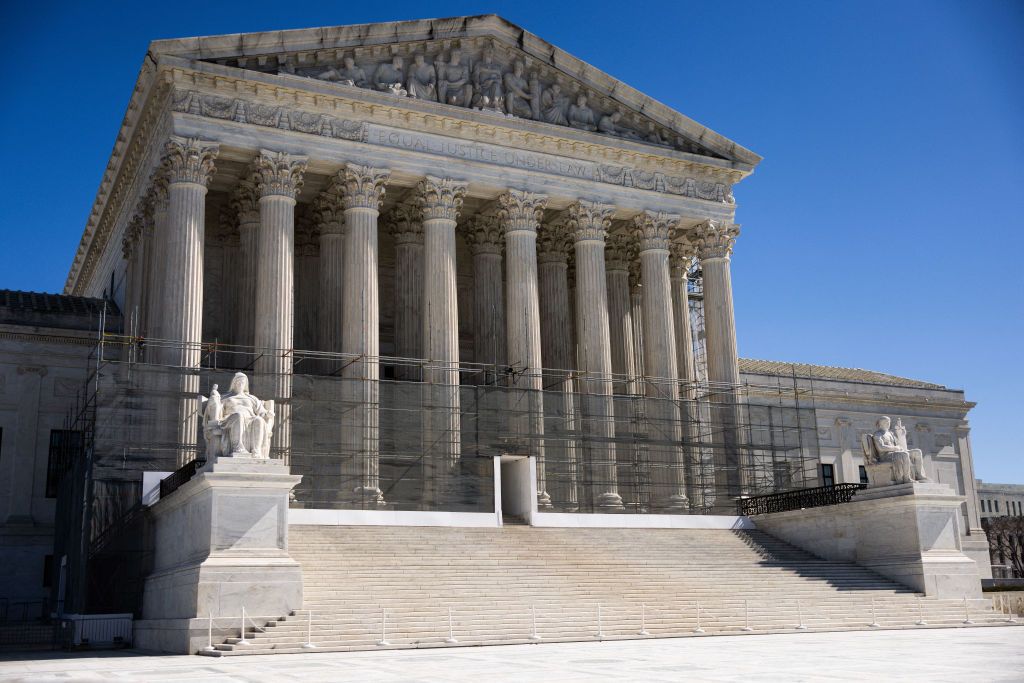
# Supreme Court Releases 2025-26 Interim Relief Statistics, Signaling Shift in Emergency Application Patterns
The Supreme Court of the United States published its interim relief statistics for the 2025-26 term, offering data that reveals how the nation's highest court handles emergency motions and stay applications. The data reflects trends in shadow docketing and the justices' willingness to intervene in lower court decisions before full briefing occurs.
Interim relief encompasses emergency applications filed directly with the Supreme Court, including stay requests, temporary restraining orders, and preliminary injunctions. These applications bypass normal appellate procedures and land on individual justices' desks with abbreviated timelines. The 2025-26 data pack tracks who filed, what issues dominated, and which justices granted or denied relief.
The statistics matter because interim relief applications have exploded in volume over the past decade. Between stays of lower court orders and emergency injunctions, the Supreme Court increasingly decides cases on compressed schedules without full oral argument. Civil rights advocates argue this practice undermines deliberation and gives advantage to parties with sophisticated legal teams ready to file emergency motions overnight. Court defenders note that some emergencies demand swift action.
The 2025-26 docket shows patterns worth examining. Religious liberty cases continued their upward trajectory among interim relief filings. Business-related motions remained prevalent, particularly those involving regulatory compliance deadlines and bankruptcy proceedings. Immigration emergency applications also featured prominently, reflecting ongoing litigation over border policy and deportation stays.
One notable trend involves voting rights and election administration. After the 2024 election cycle generated numerous emergency filings, the 2025-26 term opened with fewer election-related interim relief requests. This suggests either lower-court caution in election matters or reduced appellate challenges to state election administration decisions.
The data breaks down outcomes by justice. Chief Justice John Roberts and Justice Elena Kagan faced the highest volume of solo applications, typical for justices assigned to particular circuit courts. Justice Clarence Thomas continued receiving significant environmental and regulatory emergency filings, reflecting his circuit assignments and his judicial philosophy's appeal to certain litigant communities.
Grant rates varied by subject matter. Applications involving First Amendment issues and religious exercise saw approval rates above historical averages. Immigration and civil rights applications faced steeper denials. Patent and trademark emergency filings saw mixed results, suggesting the Court applies context-specific analysis rather than blanket approaches.
The interim relief docket carries real consequences. When the Supreme Court stays a lower court order, that injunction or judgment freezes until the full case resolves on the merits, sometimes years later. Parties seeking relief face uncertainty: statutes remain unenforced, regulations stay suspended, or individuals endure preliminary harm. The compressed timeline favors parties with institutional resources and appellate capacity.
The 2025-26 statistics also illuminate shadow docketing concerns. Many interim relief decisions receive no published opinions explaining the reasoning. Justices deny or grant applications in orders that contain minimal legal analysis. This opacity draws criticism from legal scholars who contend the Court should publish reasoned opinions even on emergency motions, ensuring accountability and predictability.
The data serves multiple audiences. Lower court judges track Supreme Court interim relief patterns to understand what emergency applications succeed or fail. Practitioners monitor trends to calibrate emergency filing strategies. Court watchers and academic observers use the statistics to study judicial behavior, ideological patterns, and institutional priorities.
Looking ahead, the 2025-26 interim relief docket suggests the Court will continue handling emergency applications at volume. Future terms likely will feature comparable filings absent procedural reforms or rule changes. The Court has shown no appetite for restricting its interim relief jurisdiction or imposing stricter standards on emergency applications.