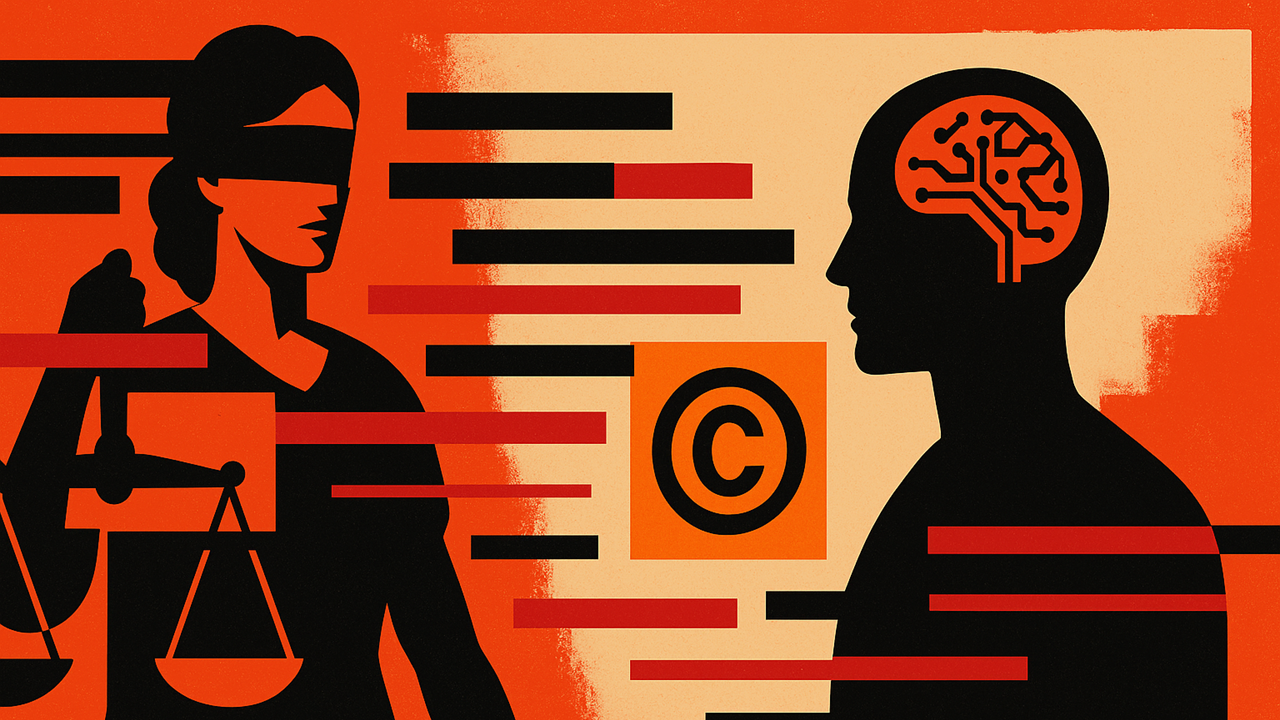
The U.S. Court of Appeals for the Third Circuit has unsealed its landmark decision in Thomson Reuters Corp. v. ROSS Intelligence Inc., marking the first appellate ruling on whether using copyrighted material to train artificial intelligence systems constitutes fair use under copyright law.
The Third Circuit's opinion deliberately narrows its scope despite addressing this novel issue. The court characterized the case as "no more than an ordinary copyright case," signaling that judges should not treat AI training disputes as categorically different from traditional copyright infringement claims. This framing matters because it suggests that existing fair use doctrine, developed over decades for print and digital media, applies to machine learning without major doctrinal overhaul.
Thomson Reuters, a leading legal research and data company, sued ROSS Intelligence, an AI legal research startup, alleging copyright infringement. ROSS trained its artificial intelligence system on substantial portions of Thomson Reuters' copyrighted legal databases and research materials to build competitive legal analytics products. Thomson Reuters argued this amounted to wholesale copying of its protected content.
The case hinges on the fair use doctrine codified in Section 107 of the Copyright Act. Fair use permits limited copying for purposes including criticism, commentary, news reporting, teaching, scholarship, and research. Courts apply a four-factor test: the purpose and character of the use; the nature of the copyrighted work; the amount and substantiality of the portion used; and the effect on the market value of the original work.
The Third Circuit's decision carries practical weight for the emerging AI industry. Training large language models and machine learning systems typically requires processing vast amounts of text, images, and other copyrighted content. If courts had created a broad exemption for AI training, companies could freely harvest copyrighted material without licensing fees or permission. Conversely, if courts had banned most AI training uses, the industry would face severe restrictions.
By treating AI training as an ordinary copyright question, the Third Circuit rejected both extremes. The court applied traditional fair use analysis to ROSS's conduct rather than inventing new exceptions. This approach gives software companies and tech firms guidance: they cannot assume that using copyrighted training data is automatically fair use simply because the purpose is artificial intelligence development.
The decision's emphasis on restraint shapes future litigation. Courts across the country will likely follow the Third Circuit's framework when addressing similar claims. Major publishers, music companies, and media corporations have already filed lawsuits against generative AI developers for training on copyrighted works. The Authors Guild and other creative organizations have sued OpenAI for alleged unauthorized use of published books. Getty Images sued Stability AI over allegedly unlicensed image training data.
The Third Circuit's language suggests courts will evaluate each AI training case individually rather than establishing bright-line rules favoring either copyright holders or AI developers. Factors like whether ROSS transformed the copyrighted material for new purposes, whether the use harmed Thomson Reuters' market, and the amount of copying become central to outcomes in future disputes.
For businesses, the ruling underscores that obtaining licenses for training data remains prudent. Major AI companies including OpenAI, Meta, and Google have increasingly licensed content from publishers and creators rather than relying solely on web scraping. The Thomson Reuters decision validates this cautious approach.
The opinion does not resolve all questions about AI and copyright. Disputes will continue over whether specific training uses qualify as transformative, whether harm to licensing markets counts against defendants, and how much copying courts will tolerate. But the Third Circuit has provided the legal framework courts will use to answer these questions. Litigants and regulators can now point to established copyright principles rather than speculating about AI exceptionalism.