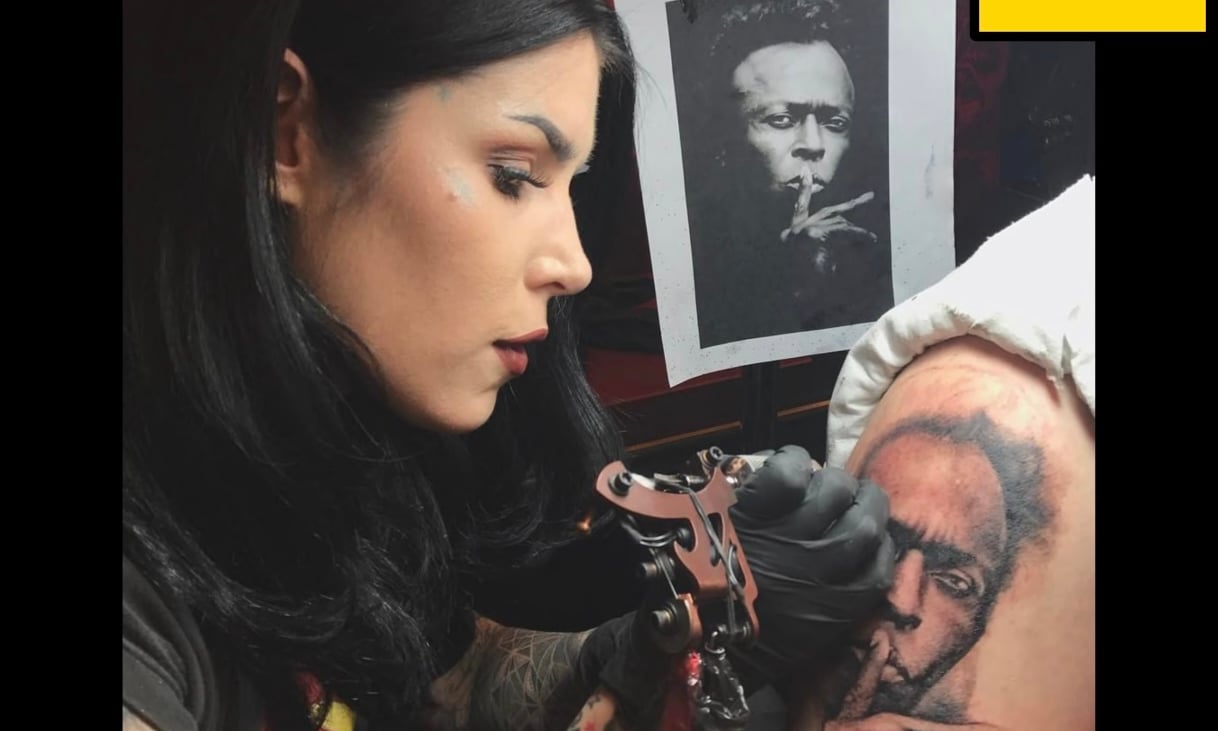
# Miles Davis Tattoo Case Challenges Ninth Circuit's Copyright Infringement Framework
A recent appellate dispute involving a Miles Davis tattoo has exposed fundamental weaknesses in the Ninth Circuit Court of Appeals' dual-pronged approach to copyright infringement analysis. The case forces the court to confront inconsistencies between its two competing tests for determining whether one artistic work unlawfully copies another.
The Ninth Circuit applies two distinct methodologies when evaluating copyright infringement claims. The first test employs objective criteria, examining whether a reasonable observer would find substantial similarity between the works in question. The second test relies on what the court calls the "total concept and feel" standard, a substantially more subjective measure that asks whether the overall impression and aesthetic of two works overlap significantly.
This bifurcated approach creates practical problems. The "total concept and feel" test invites inconsistent results because different judges and juries may perceive the aesthetic and emotional qualities of an artwork entirely differently. A tattoo depicting Miles Davis, the legendary jazz trumpeter, demonstrates this tension vividly. Visual art, particularly portraiture and representational works, inherently triggers subjective responses. One viewer may perceive strong stylistic similarity between two depictions of Davis based on color palette, composition, and mood. Another observer examining the identical works might focus on technical execution, line work, and proportionality, finding them sufficiently distinct.
The Miles Davis case highlights an unresolved question: should copyright infringement doctrine turn on emotional resonance and aesthetic impression, or should courts demand objective similarities in expression? When applied to visual works like tattoos, the subjective standard becomes particularly problematic. A tattoo artist's distinctive style, pressure application, color blending, and needle technique all contribute to the final product. Yet the "total concept and feel" test may ignore these technical elements in favor of whether the finished tattoo "feels" similar to another work.
The Ninth Circuit's jurisdiction covers nine western states, including California, where the tattoo and entertainment industries maintain substantial presence. This geographic scope means the court's copyright standards directly affect millions of creators, from fine artists to commercial tattoo parlors. Unclear infringement doctrine creates chilling effects on legitimate artistic expression. Tattoo artists may self-censor distinctive styles out of fear that subjective "feel" similarities could trigger liability.
The case also raises questions about the appropriate weight courts should assign to each test. Do they operate as alternative paths to infringement, requiring satisfaction of only one test? Or should courts apply both tests conjunctively, demanding that both objective and subjective analyses point toward infringement before imposing liability? The Ninth Circuit has not provided clear guidance on this hierarchy.
Legal scholars and practitioners in creative industries watch this dispute closely. If the court maintains its current dual-test framework without clarification, copyright owners will enjoy considerable latitude in pursuing infringement claims based on subjective similarities alone. Conversely, if the court retreats toward stricter objective analysis, it may immunize derivative works that clearly borrow recognizable elements from originals.
The Miles Davis tattoo dispute ultimately forces the Ninth Circuit to choose between doctrinal clarity and flexibility. A more rigorous, objective standard for infringement would provide predictability for artists but might permit some copying the copyright system intends to prevent. Maintaining subjective analysis preserves stronger copyright protection but at the cost of uncertain application and potential suppression of original expression.