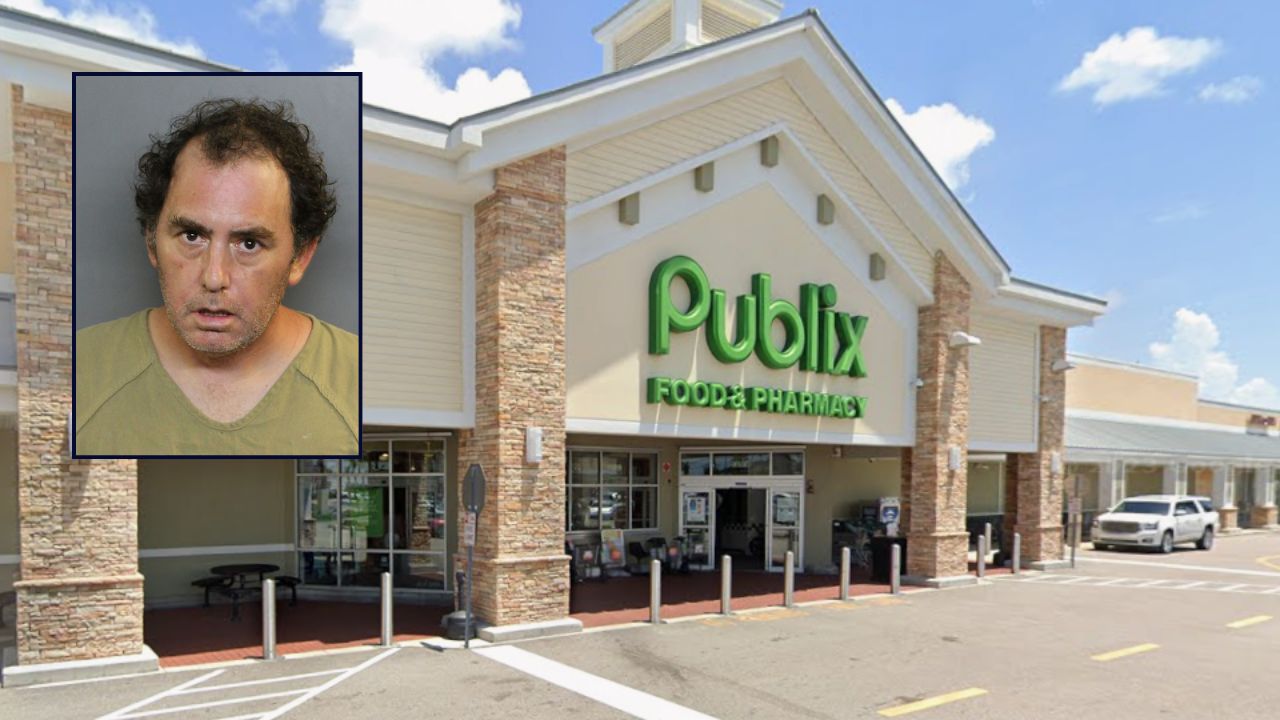
A Florida man now faces criminal charges after police say he attacked a 70-year-old stranger at a Publix supermarket with a box cutter, slashing the victim across the face. The suspect targeted the elderly shopper specifically because he appeared to be born in the 1960s, a time period the suspect claimed to dislike, according to law enforcement.
The unprovoked assault occurred at a Publix location in Florida. The victim sustained a laceration to the face from the box cutter blade. Police responded to the incident and launched an investigation that led to the suspect's identification and arrest.
The case presents several troubling dimensions. The attack was random and motivated by the victim's apparent generational identity rather than any personal dispute or prior interaction between the parties. The suspect's stated reasoning, dislike of people from a particular decade, suggests possible mental health concerns or ideology-driven violence. The use of a box cutter as a weapon transformed a routine grocery shopping trip into a violent felony assault.
Florida law treats assault with a deadly weapon as aggravated assault under Florida Statute 784.021. The box cutter qualifies as a deadly weapon capable of causing serious bodily injury. The prosecution likely charged the suspect with aggravated assault, which carries a potential felony sentence. Given the victim's age and the severity of a facial laceration, prosecutors may pursue enhanced charges or sentencing recommendations based on the victim's vulnerability.
The incident raises public safety concerns about random acts of violence targeting strangers based on arbitrary characteristics. Retail establishments like Publix face pressure to maintain secure environments for customers and employees. Security measures, staff training, and emergency response protocols become relevant considerations following such attacks.
The victim's medical treatment and recovery remain significant factors. Facial lacerations can require surgical repair and carry risks of permanent scarring, nerve damage, or functional impairment. The victim may pursue civil damages against the suspect and potentially against Publix if negligent security contributed to the attack.
The suspect's mental state and motive will likely play central roles in the criminal proceedings. Defense attorneys may argue diminished capacity, insanity defenses, or mental illness factors. The stated motive regarding dislike of the 1960s suggests possible delusional thinking or extremist ideology that mental health evaluations may explore.
Florida's legal system handles assault cases through the criminal justice process, typically beginning with arrest, booking, arraignment, and bail determination. The suspect's prior criminal history, if any, influences bail decisions and sentencing recommendations. Victims' rights statutes in Florida entitle the injured party to notification of court proceedings and potential victim impact testimony at sentencing.
This case illustrates how random violence can affect ordinary citizens conducting everyday activities. The unprovoked nature of the attack underscores dangers posed by individuals acting on arbitrary prejudices or ideological grievances. Law enforcement investigation capabilities proved effective in identifying and apprehending the suspect, protecting the community from further potential attacks.
The resolution of this case through the Florida court system will establish accountability for the attack and potentially inform public safety policy regarding retail security and violent crime prevention.