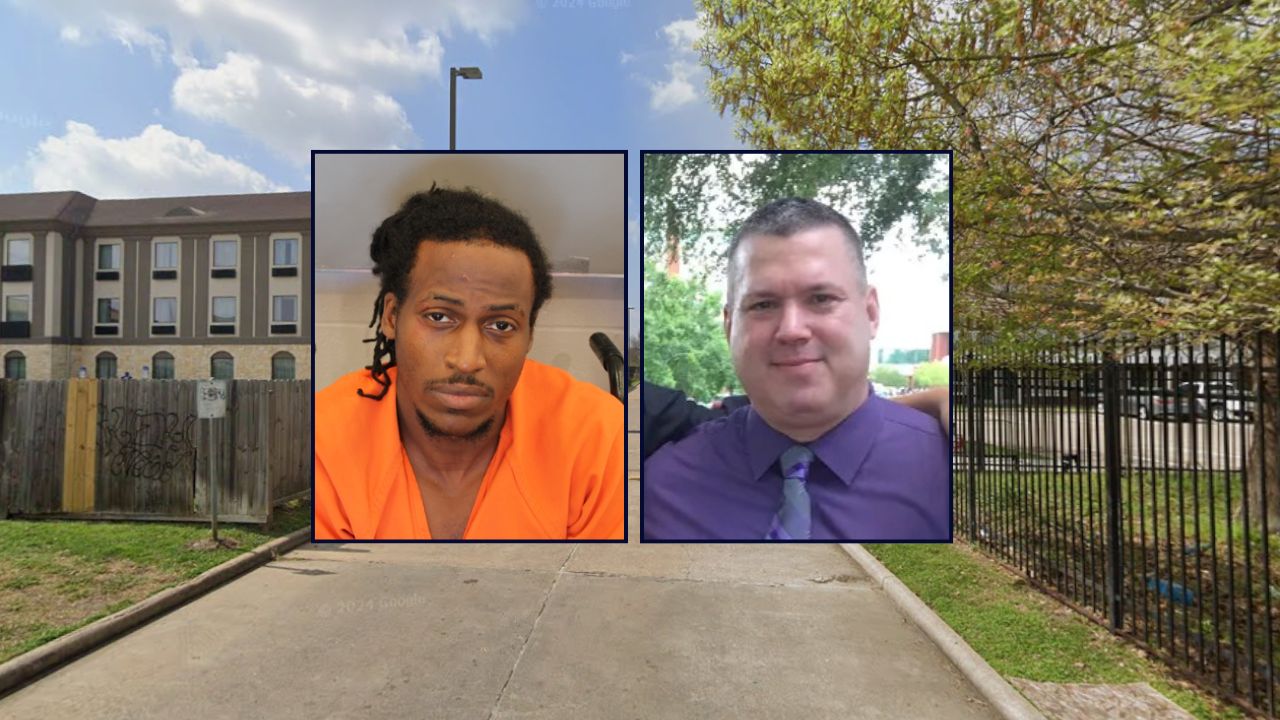
# Chef Fatally Shot After Refusing Money Request at Houston Homeless Feeding
A Texas man faces murder charges after shooting a chef dead outside a Houston hotel while the victim was distributing meals to homeless individuals, according to law enforcement.
The victim, whose identity authorities have not yet fully disclosed in public filings, operated an informal community feeding program for homeless persons in the Houston area. Investigators say the chef took on this volunteer work because he understood poverty firsthand and wanted to give back to struggling members of his community.
The shooting occurred outside a hotel where the chef was actively engaged in his charitable work, distributing food to homeless individuals. A man approached the chef and requested money. When the chef refused the request, the suspect opened fire, killing him on the spot. Police have not disclosed whether words were exchanged beyond the initial money demand or what, if any, additional confrontation preceded the shooting.
Homicide detectives with the Houston Police Department identified a suspect and brought murder charges. The specifics of those charges, including whether prosecutors pursued capital murder or second-degree murder designations, remain unclear from initial reports. Texas law distinguishes between murder charges based on circumstances like premeditation, the use of a weapon, and the relationship between victim and accused.
The case underscores the vulnerability of people engaged in street-level charitable work. Individuals who feed, shelter, or provide aid to homeless populations often operate in high-risk environments with minimal security. Many such workers operate independently or through loosely organized community networks rather than established nonprofits with safety protocols.
Houston's homeless population faces particular challenges. The city's warm climate and port economy have drawn transient populations, and chronic housing shortages persist despite development initiatives. Community members and local charities frequently fill gaps left by government services through informal feeding programs and shelter networks.
The victim's decision to feed homeless individuals despite his own history of struggle reflects a common pattern among community volunteers. People who have personally experienced hardship often become advocates for vulnerable populations. Their commitment stems from direct knowledge of what deprivation feels like, making them effective and motivated service providers.
The shooting raises questions about the safety of volunteers working with at-risk populations in public spaces. Many cities lack coordinated security measures or support systems for people engaged in street-level aid work. Nonprofits and informal volunteer networks rarely have resources to hire security or implement protective measures at feeding sites.
Texas homicide law provides prosecutors with several charging options. Standard murder charges require proof of an unlawful killing with malice aforethought. Capital murder charges apply when the victim is killed during robbery, burglary, or other specific felonies, or when the victim works in certain professions like law enforcement. The prosecution's charging decision will depend on evidence gathered during the investigation and the circumstances establishing motive.
The Houston Police Department has not released a timeline for trial or preliminary hearing dates. Bail status and whether the defendant obtained counsel through public defender assignment or private representation remain unknown pending court filings.