# The Constitution's Structure Should Decide Suncor
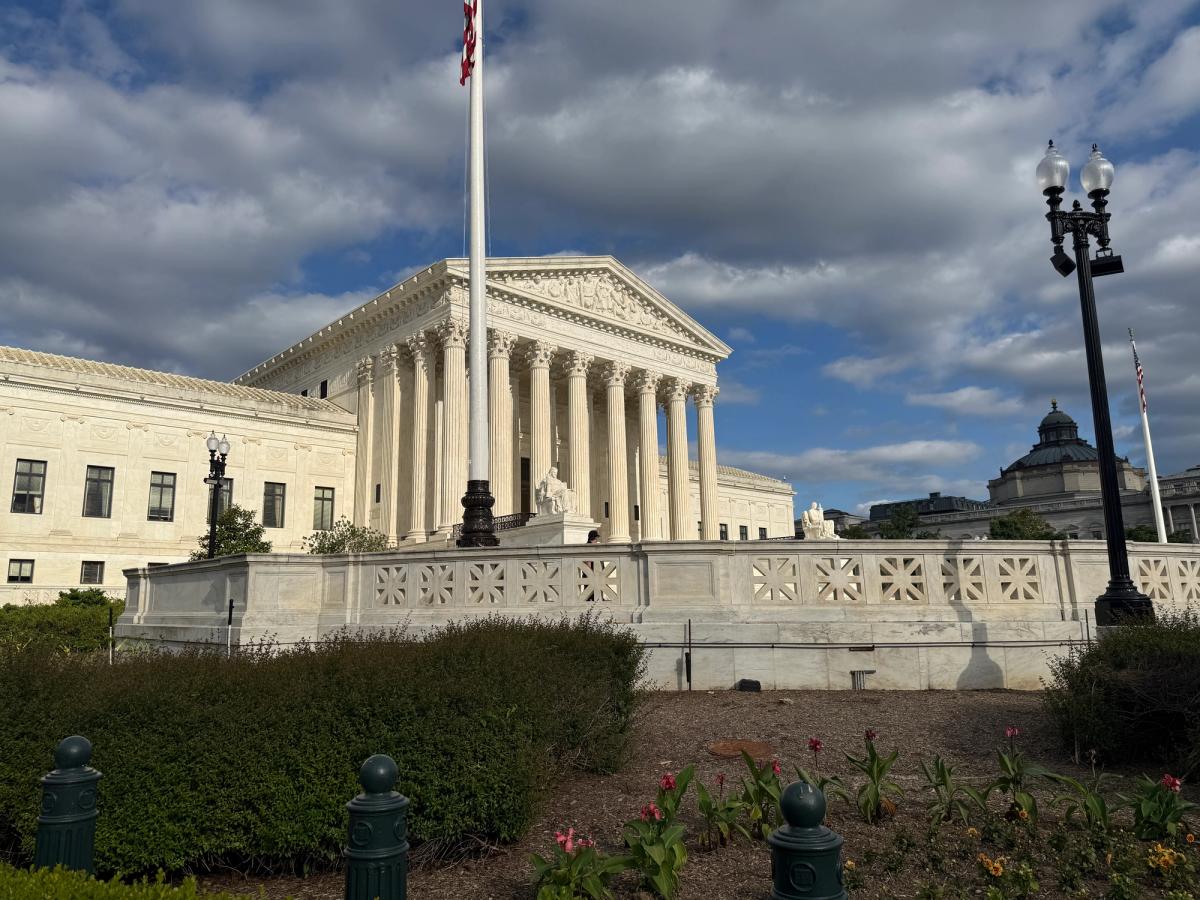
The Supreme Court faces a fundamental question about federalism and statutory interpretation in Suncor Energy Inc. v. Environmental Protection Agency. The case turns on whether the Constitution's structural separation of powers limits the EPA's authority to regulate certain industrial emissions under the Clean Air Act.
Suncor Energy, a major Canadian oil sands producer operating U.S. refineries, challenged EPA regulations governing greenhouse gas emissions from its facilities. The company argues the EPA exceeded its statutory authority by applying emissions standards to sources the Clean Air Act does not clearly authorize it to regulate. More broadly, Suncor contends the EPA's interpretation violates constitutional principles of limited delegation and federalism.
The structural argument centers on the nondelegation doctrine and the major questions doctrine. Suncor's position holds that when statutes grant agencies broad discretionary power affecting fundamental state interests or imposing massive compliance costs on industry, courts must interpret those statutes narrowly unless Congress speaks with clear intent. The company frames EPA jurisdiction over its specific emissions categories as a "major question" requiring explicit congressional authorization rather than judicial inference.
This case sits at the intersection of three doctrines troubling the current Court majority. The major questions doctrine, revived in West Virginia v. EPA (2022), holds that courts should not read broad authority into ambiguous statutes when agencies claim power over economically and politically significant matters. The constitutional avoidance doctrine teaches that courts should interpret ambiguous statutes to avoid serious constitutional questions. Federalism concerns about state authority and market disruption reinforce these principles.
The EPA's position emphasizes text and precedent. The agency contends the Clean Air Act's language plainly encompasses the emissions sources at issue and that decades of consistent regulatory practice support its authority. The EPA argues Suncor seeks to import constitutional doubts that the statute itself does not trigger, since Congress expressly delegated broad rulemaking authority to the EPA when drafting the Clean Air Act.
For business, the stakes matter intensely. A ruling for Suncor could narrow EPA authority over emissions categories affecting refineries, power plants, and manufacturing facilities nationwide. Companies currently subject to emissions regulations might challenge them as beyond agency authority. Alternatively, a EPA victory would reaffirm broad environmental agency power, potentially inviting new regulations without requiring new legislation.
For environmental policy, the outcome determines whether future climate regulations proceed through agency action or require explicit congressional statutes. Congress has not passed comprehensive new climate legislation in two decades. A restrictive ruling would functionally require legislative action to address new environmental threats. An expansive ruling would preserve agency flexibility to respond to evolving science and technology.
The structural constitution argument rests on legitimacy and democratic accountability. Suncor emphasizes that major economic policy decisions should flow from elected representatives, not agency officials. The EPA counters that Congress deliberately empowered the EPA to make technical decisions, trusting agency expertise over ad hoc legislative responses.
This case represents the Court's ongoing recalibration of agency power. Following West Virginia, Suncor presents another occasion to enforce structural limits on executive authority. The decision will clarify whether major questions doctrine applies to environmental statutes and how strictly courts will construe agency jurisdiction in ambiguous cases.