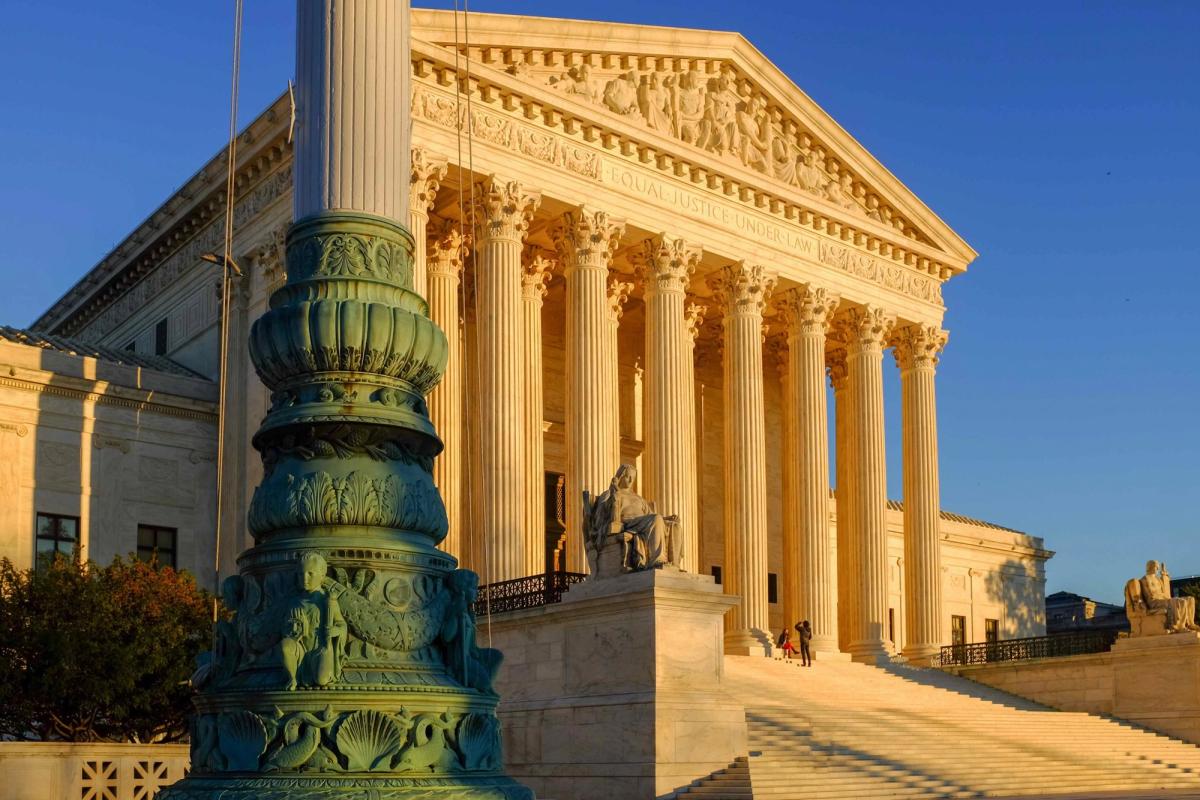
# Supreme Court's October Term 2026 Preview: What's Ahead for the High Court
The Supreme Court faces a docket shaped by emerging legal questions that touch nearly every corner of American law, from regulatory authority to free speech protections. With the October Term 2026 approaching, the Court confronts cases that will define the scope of governmental power, individual rights, and the balance between them.
The composition of the current bench influences how the Court will approach these cases. The ideological alignment of the nine justices determines not only outcomes but also how broadly or narrowly the Court writes its opinions. Decisions from this term will cascade through federal courts nationwide and affect statutes, regulations, and individual conduct across industries and sectors.
Several categories of cases merit close attention. First, regulatory authority cases probe the limits of administrative agencies. The Court has signaled skepticism toward expansive interpretations of agency power following the overruling of Chevron deference in recent years. Cases involving environmental regulations, labor standards, and financial oversight will test whether agencies can sustain rules under heightened judicial review standards.
Second, free speech and First Amendment disputes continue their prominence on the docket. These cases involve content moderation policies, political speech restrictions, and the intersection of technology platforms with traditional free speech doctrine. Courts increasingly grapple with how 200-year-old constitutional principles apply to digital communication.
Third, criminal procedure and sentencing questions persist. Cases addressing sentencing enhancements, prosecutorial discretion, and defendants' rights under the Sixth Amendment remain subjects of fractious debate among the justices.
Fourth, civil rights matters address discrimination claims under Title VII, voting rights questions following the Shelby County decision, and constitutional equal protection arguments. These cases often produce sharp splits along ideological lines.
Fifth, separation of powers cases examine the boundaries between executive, legislative, and judicial authority. Challenges to executive actions and congressional statutes raise fundamental questions about constitutional structure.
The briefing schedule and oral argument calendar will unfold according to the Court's traditional rhythms. Cases heard early in the term typically receive decisions by June. The final weeks of June historically feature the most anticipated and contentious rulings.
Practitioners should monitor the petition stage carefully. Cases that survive the cert pool and receive full Court review represent the rarest opportunities for direct Supreme Court influence. Law firms, advocacy organizations, and government agencies track pending petitions to anticipate docket composition months in advance.
The October Term 2026 will generate precedents affecting litigation strategy, regulatory compliance, and constitutional interpretation for years beyond. Businesses must understand how emerging rulings reshape compliance obligations. Individuals must recognize how speech protections, voting rights, and criminal procedure safeguards evolve. Lower courts depend on clear guidance from the nation's highest tribunal to resolve unsettled legal questions.