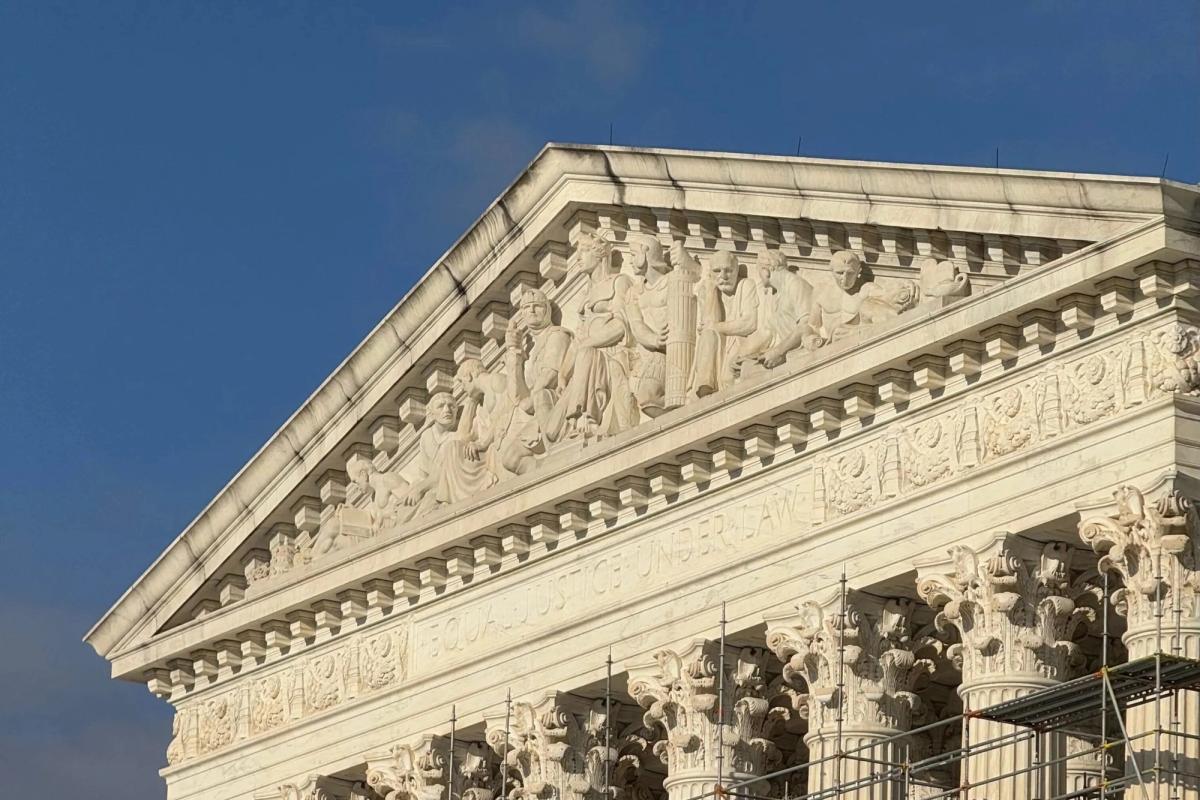
# Supreme Court Grants Review in Three Cases as New Term Begins; Trump Renews Criticism of Appointees
The Supreme Court granted certiorari in three cases as the new term begins, marking the start of the Court's docket cycle. The specific cases and their legal issues remain central to understanding the Court's priorities heading into the term.
The grant of certiorari signals that at least four justices believe a case presents questions warranting the Court's review. This threshold, known as the Rule of Four, determines which cases reach the nation's highest court from thousands of petitions filed annually. The three newly granted cases will join the existing docket as the Court prepares oral arguments and deliberations.
The specific nature of these three cases and their subject matter will shape the term's trajectory. Whether they involve constitutional interpretation, statutory construction, or administrative law directly affects businesses, individuals, and lower courts nationwide. Lower courts must often stay their proceedings in related matters pending Supreme Court resolution, creating uncertainty across the legal landscape.
President Trump used the occasion to publicly criticize his three Supreme Court appointees. Justice Neil Gorsuch, Justice Brett Kavanaugh, and Justice Amy Coney Barrett have issued rulings that disappointed the former president and his political allies. Trump's remarks reflect ongoing tension between the executive branch and the judiciary, particularly when judicial decisions diverge from a president's expectations.
Trump's criticism carries weight because his three appointees currently form part of the Court's conservative bloc. The public attacks underscore the political dimensions of judicial appointment and the expectations some politicians hold regarding judicial performance. However, justices operate under the constitutional structure of an independent judiciary, theoretically insulated from political pressure.
The new term arrives amid ongoing debate about the Supreme Court's legitimacy and institutional standing. Recent years have witnessed increased scrutiny of the Court's decisions, its composition, and proposals for reform including term limits and court expansion. The Court's docket selections reflect substantive judgments about which legal questions demand national resolution.
The three granted cases will proceed through briefing schedules established by the Court's rules. Parties will file merits briefs presenting their legal arguments. The Court typically schedules oral arguments for cases granted in the current term during the fall and winter months. Decisions often arrive by late June, concluding the Court's term.
Lower courts and legal practitioners now monitor the Court's docket closely. Federal judges, state judges, and practitioners structure their litigation strategies around anticipated Supreme Court rulings. A grant of certiorari in a particular area of law often signals that the Court perceives a circuit split or other compelling reason for intervention.
The Trump criticism highlights the continued politicization of the Court's work, even as justices insist on their judicial independence. The tension between presidential expectations and judicial autonomy remains a recurring theme in American constitutional law.